☕️ Morning Call en📞 Podcast dinsdag 20 oktober - Lagere start met Kospi zwak

Meer op onze website, waar we vandaag weer aan verschillende zaken aandacht besteden. Let op, dit bericht kan overlappen met een aantal berichten die wij ook op de website publiceren.
■ Europa: Europese futures wijzen op een lagere opening. Euro Stoxx 50-futures staan circa 0,7% lager en DAX-futures ongeveer 0,4%. Het herstel op Wall Street krijgt geen bevestiging vanuit Azië. Frankrijk, de kwetsbare AI-handel en olie rond $110 maken de Europese opening duidelijk moeilijker. Wij beginnen voorzichtig en willen eerst bevestiging.
 Hoofdredactie

■ Amerikaanse futures / Wall Street: Wall Street herstelde maandag met de S&P 500 +0,41%, Nasdaq +1,11% en Dow -0,07%, maar de marktbreedte bleef zwak. S&P-futures staan vanochtend ongeveer 0,1% hoger en Nasdaq 100-futures circa 0,15% lager.
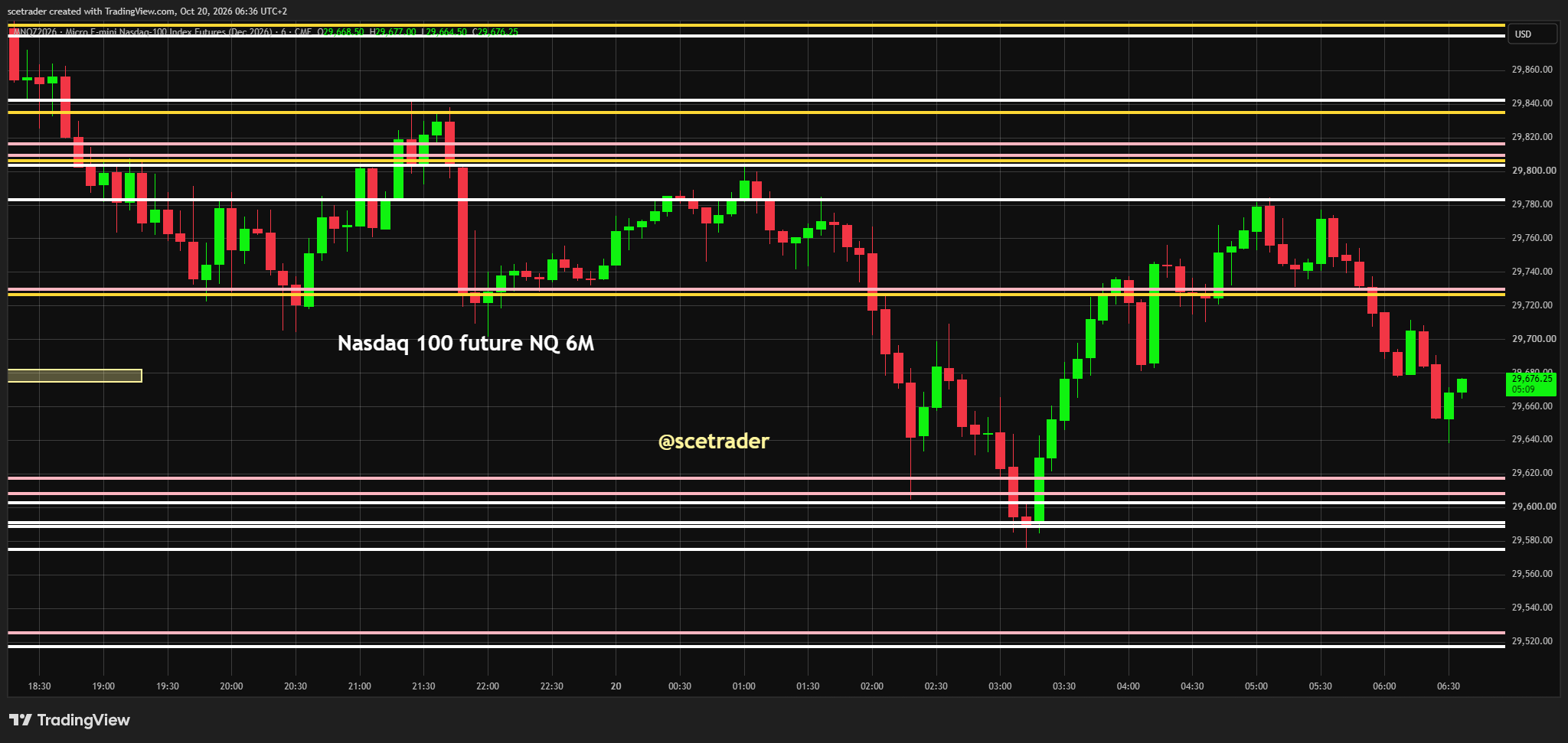
Technisch zien wij veel weerstand boven de markt en duidelijke steun lager. Dat maakt een nieuwe neerwaartse liquiditeitstest mogelijk voordat kopers opnieuw verschijnen.
■ ASML: ASML blijft voor ons de belangrijkste Europese graadmeter binnen de geavanceerde chipketen. De structurele AI-vraag blijft sterk, maar de Aziatische verkoop en onzekerheid rond daadwerkelijke datacenteruitrol kunnen vandaag op het aandeel wegen. Het lange termijn verhaal verandert niet, maar ook ASML kan tijdens een bredere correctie tijdelijk verder terug.
■ ASM International / BESI: ASM International profiteert structureel van steeds complexere chipproductie en BESI van advanced packaging en hybrid bonding. Bij BESI blijven snelheid van adoptie en concurrentie belangrijke punten. Wij blijven voor de lange termijn positief op beide technologieën, maar willen op korte termijn eerst zien dat momentum en steun daadwerkelijk terugkeren.
■ Halfgeleiders / AI: de chipsector blijft verdeeld. De Amerikaanse SOX herstelde maandag 1,6% na acht verliesdagen, maar Zuid-Korea en andere Aziatische technologie geven vanochtend opnieuw een zwak signaal. De kern is niet dat de AI-vraag instort. Financiering, stroomvoorziening en fysieke infrastructuur kunnen er wel voor zorgen dat omzet en capaciteit later komen dan beleggers hadden ingeprijsd.
■ AI / financiering: de AI-groeicyclus verschuift van pure vraag naar financierbaarheid en rendement. Bedrijven moeten steeds duidelijker laten zien hoeveel omzet, marge en vrije kasstroom tegenover enorme investeringen staan. Dat hoeft de AI-trend niet kapot te maken, maar het kan wel leiden tot een stevige waarderingscorrectie binnen bedrijven die te zwaar afhankelijk zijn van schuld.
■ AI-infrastructuur / Nscale / Anthropic: Nscale is in gesprek met Anthropic over opnieuw een zeer grote clouddeal die ongeveer $45 miljard waard kan worden. Een tweede gebouw op het Monarch-complex zou circa 460 megawatt aan capaciteit krijgen en NVIDIA Vera Rubin gebruiken. Dat onderstreept dat de onderliggende vraag naar AI-rekenkracht nog altijd uitzonderlijk groot is.
■ AI-infrastructuur / Nscale / Microsoft: tegenover die sterke vraag staat het uitvoeringsrisico. Microsoft trok zich terug uit een Brits Nscale-project omdat de noodzakelijke stroomaansluiting mogelijk pas veel later beschikbaar komt. Het probleem is dus niet automatisch gebrek aan klanten. Elektriciteit, netcapaciteit, vergunningen en financiering kunnen de werkelijke bouw van AI-capaciteit vertragen.
■ CoreWeave / Goldman Sachs: Goldman Sachs verhoogde het advies voor CoreWeave en ziet forse onderwaardering, maar het aandeel kon de aanvankelijke stijging maandag niet vasthouden en eindigde licht lager. Dat vinden wij belangrijker dan het advies zelf. Wanneer goed nieuws direct wordt verkocht, is een bodem nog niet overtuigend. CoreWeave blijft voor ons een belangrijke graadmeter voor kredietstress binnen AI-infrastructuur.
■ Schneider Electric / PTC: Schneider Electric wil ongeveer €6 miljard ophalen met nieuwe aandelen om een deel van de overname van PTC te financieren. Dat veroorzaakt verwatering, maar strategisch past PTC sterk bij Aveva, industriële software, automatisering en AI. De markt moet op korte termijn prijs en financiering verwerken. Langere termijn versterkt de deal Schneiders positie binnen industriële digitalisering.
■ Siemens Energy: Siemens Energy blijft direct blootgesteld aan de enorme investeringscyclus in elektriciteitsnetten, stroomopwekking en datacenters. AI vergroot de elektriciteitsvraag structureel en maakt stroominfrastructuur steeds belangrijker. De lange termijn achtergrond blijft sterk, maar een marktcorrectie en hoge rente kunnen ook dit aandeel tijdelijk hard raken.
■ Dassault Systèmes: de hoge prijs die Schneider voor PTC betaalt is een positieve read-through voor Dassault Systèmes. Engineeringsoftware, simulatie, digital twins en product lifecycle management krijgen opnieuw een hogere strategische waarde. Dat verandert niet dat waarderingen gevoelig blijven voor hoge rente, maar fundamenteel bevestigt de transactie de waarde van deze softwarecategorie.
■ SAP: bij SAP ligt het risicoprofiel duidelijk anders dan bij jonge AI-infrastructuurbedrijven. Het concern beschikt over terugkerende inkomsten, een grote klantenbasis en bestaande kasstromen. Voor de waardering wordt nu vooral belangrijk hoeveel concrete extra omzet, marge en klantbinding AI-functionaliteit oplevert. Wij zien dat als kwalitatief sterker dan groei die hoofdzakelijk met schuld wordt gefinancierd.
■ Solvay: Solvay kwam met een winstwaarschuwing, waarbij onder meer een tegenvaller rond Sadara meespeelt. Een winstwaarschuwing is nooit positief, maar veel slecht nieuws zit inmiddels al in de koers. Toch vinden wij het te vroeg om te kopen. Eerst willen wij zien dat de markt de nieuwe verwachtingen verwerkt en technische steun ontstaat. Zie ook dit bericht.
■ Alfen: Alfen beweegt opnieuw rond de zone van ongeveer €10 en blijft voor ons een zeer speculatieve naam. Nu moet blijken of retailbeleggers en kortetermijnkopers op dit niveau terugkomen. Gebeurt dat niet, dan is ook een beweging onder €10 mogelijk. Voorlopig behandelen wij het aandeel als een gokaandeel en niet als een overtuigde fundamentele positie.
■ Fastned: na de eerdere rally zien we winstnemingen. Wij zijn er niet van overtuigd dat die winstnemingen al volledig achter de rug zijn. De structurele laadinfra-case blijft interessant, maar na een sterke beweging omhoog kan de correctie verder doorzetten. Wij zouden daarom eerst nieuwe technische stabilisatie willen zien voordat we opnieuw positiever worden.
■ Avantium: bij Avantium blijven wij zeer terughoudend. De nieuwe structuur met een aparte BV vergroot volgens ons het risico dat bestaande aandeelhouders uiteindelijk met een bijna lege beursgenoteerde huls achterblijven. Dat maakt de verhouding tussen potentieel en risico voor ons onaantrekkelijk. Wij zien hier momenteel geen koopcase.
■ Ackermans & van Haaren: Ackermans & van Haaren blijft voor ons een kwalitatief sterke Belgische naam. De langere trend is nog altijd positief, maar wij weten niet of de huidige correctie al klaar is. Wij zouden liever nog wat verdere zwakte zien en daarna opnieuw naar een koopkans kijken dan het aandeel op het huidige niveau najagen.
■ DEME: DEME blijft op onze radar door de structurele blootstelling aan infrastructuur, offshore en energieprojecten. De fundamentele achtergrond vinden wij interessant, maar het technische moment is voor ons nog niet overtuigend genoeg. Wij kijken liever naar een betere prijs en duidelijke steun voordat we een nieuwe positie overwegen.
■ Defensie-aandelen: geopolitiek blijft fundamentele steun geven aan defensie, luchtverdediging, radar, drones en surveillance. Toch zien wij bij verschillende defensienamen nog geen overtuigende technische bodem. Dat betekent dat zelfs bij sterke orderboeken verdere winstnemingen mogelijk blijven. Wij willen eerst zien dat de aandelen daadwerkelijk weer op hun pootjes terechtkomen.
■ Banken: wij blijven voorzichtig met Europese banken en vooral met Franse banken. De hoge Franse rente en oplopende spreads vergroten het risico op hogere financieringskosten en waarderingsdruk. Lange termijn zijn niet alle bankverhalen negatief, maar op korte termijn zien wij nog onvoldoende bewijs dat de sector een solide bodem heeft gevormd.
■ Luxe: ook bij luxe blijven wij voorzichtig. De Chinese industrie houdt beter stand dan de Chinese consument en juist die consument is cruciaal voor veel Europese luxeconcerns. Waarderingen zijn aantrekkelijker geworden na eerdere correcties, maar wij vinden het nog te vroeg om breed op herstel vooruit te lopen.
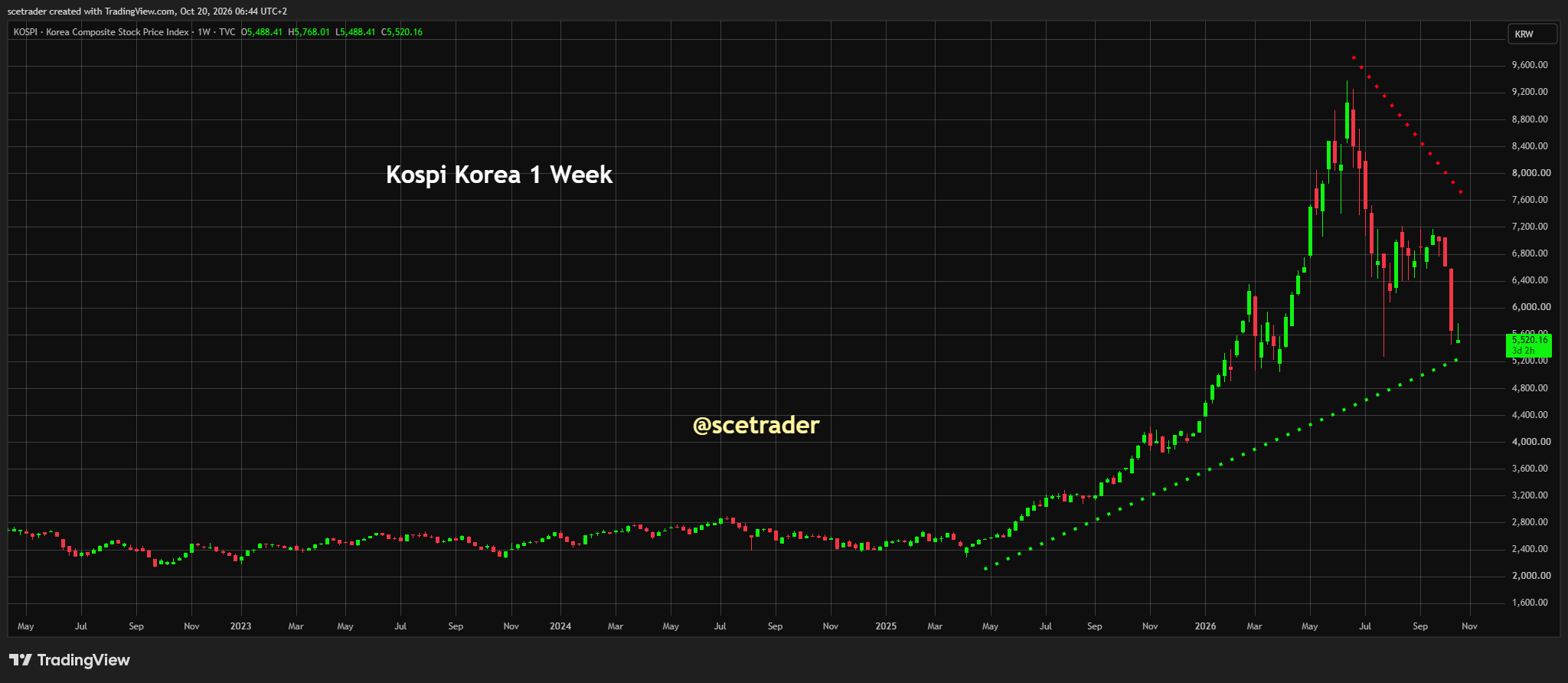
■ Aië: Azië overtuigt vanochtend opnieuw niet. De KOSPI staat ongeveer 4% lager, de Nikkei rond 1% en de Hang Seng ongeveer 1% in de min. Mainland China houdt relatief beter stand, maar dat is onvoldoende om de regio steun te geven. Azië bevestigt daarmee de Amerikaanse rebound niet en blijft een waarschuwing voor Europese technologie.
■ China: China blijft een verdeeld verhaal. De industrie houdt redelijk stand, terwijl consument, vastgoed en investeringen duidelijk zwakker zijn. Voor Europa is dat gunstiger voor machines, automatisering en chipapparatuur dan voor luxe en auto's. De ongewijzigde LPR-rentes laten bovendien zien dat Beijing voorlopig geen haast heeft met brede extra stimulering.
■ Frankrijk / onrust: Frankrijk blijft het grootste afzonderlijke Europese politieke risico. Nieuwe rellen, mogelijke avondklokken en aangekondigde protesten vergroten de onzekerheid terwijl de regering tegelijkertijd de begroting moet saneren. De directe economische schade is één ding. Belangrijker zijn mogelijk vertrouwen, investeringen en structureel hogere financieringskosten.
■ Franse rente: de Franse 10-jaarsrente begint de ochtend rond 4,93% nadat er maandag ongeveer 15 basispunten bijkwamen. Dat is voor ons een serieus waarschuwingssignaal. Frankrijk is economisch en politiek veel belangrijker voor de eurozone dan Griekenland en Italië ooit afzonderlijk waren. Als deze rente structureel hoog blijft, wordt de financieringslast een steeds groter probleem.
■ Rente: de Amerikaanse 10-jaarsrente staat rond 5,13%, de Duitse rond 3,46% en de Japanse rond 2,91%. De Amerikaanse rente is in korte tijd sterk gedaald vanaf boven 5,3%, maar dat is niet automatisch bullish. Een deel van de obligatievraag komt juist voort uit onzekerheid. Lagere rente biedt dus waarderingssteun, maar kan tegelijkertijd een waarschuwingssignaal zijn.
■ Valuta: EUR/USD staat rond 1,1230 en USD/JPY rond 158,2. Ondanks de problemen in Frankrijk zien we geen brede vlucht uit de euro. Dat geeft enige rust. Tegelijk bevestigt de valutamarkt ook niet dat de politieke en fiscale risico's alweer zijn verdwenen.
■ Olie: olie ligt vanochtend vrijwel vlak tot licht hoger. Brent beweegt rond $110 en WTI rond $104. De markt weet nog altijd moeilijk hoe de risico's rond Iran, Rusland en fysieke aanvoer moeten worden gewaardeerd. Wij zouden daarom niet te veel betekenis geven aan kleine intradaybewegingen. Een echte verstoring kan het beeld zeer snel veranderen.
■ Iran / geopolitiek / midterms: Iran blijft een belangrijke onzekere factor richting de Amerikaanse midterms. De markt houdt rekening met nieuwe militaire escalatie, terwijl diplomatieke kanalen tegelijk open kunnen blijven. Juist die combinatie maakt de risicopremie moeilijk te prijzen. Een aanval op energie-infrastructuur of echte verstoring rond Hormuz zou olie en inflatie snel opnieuw hoger kunnen zetten.
■ Goud / zilver: goud staat rond $4.142 en is vrijwel onveranderd. Zilver noteert rond $57,40 en ongeveer 0,5% hoger. Wij zien bij beide metalen nog geen overtuigend nieuw momentum. De structurele achtergrond voor goud blijft sterk door geopolitiek en centrale bankaankopen, maar wij willen technisch eerst een duidelijke nieuwe impuls zien.
■ VIX: de VIX daalde maandag ongeveer 8% naar circa 18,4. Dat is verhoogd, maar nog geen echte paniek. Juist daarom vinden wij een eventuele stijging boven 20 richting 23 interessant. Meer angst en defensieve positionering kunnen uiteindelijk de voorwaarden creëren voor een sterkere bodem en een grotere positieve surprise wanneer de markt draait.
■ Bitcoin / crypto: Bitcoin noteert rond $82.100 en houdt daarmee de belangrijke zone boven $80.000 vast. Crypto-aandelen waren maandag zwakker. Wij kijken naar verschillende namen, maar willen nog niet te snel instappen. Als technische steun standhoudt kan later een kans ontstaan, maar deze markt kan nog altijd binnen enkele uren volledig omslaan.
■ Earnings / Meta: de komende grote bedrijfsresultaten kunnen een belangrijk keerpunt worden. Meta wordt vooral interessant omdat beleggers willen weten of de enorme AI-investeringen voldoende omzet, marges en vrije kasstroom opleveren. Sterke cijfers kunnen technologie snel opnieuw hoger sturen. Teleurstelling kan juist bevestigen dat de markt nog meer AI-capex uit waarderingen moet halen.
■ AI-correctie / cyclische bullmarkt: vrijwel iedere grote technologische cyclus krijgt uiteindelijk een fase waarin enthousiasme, financiering en waarderingen te ver doorschieten. Dat kan ook bij AI gebeuren. Wij denken alleen niet dat bewezen is dat de structurele groeicyclus voorbij is. De huidige correctie kan juist een noodzakelijke schoonmaak zijn binnen een veel langere AI-bullmarkt.
■ Koopkansen: als de markt verder daalt, worden steeds meer charts binnen chips, software, infrastructuur en andere groeiaandelen aantrekkelijker. Dat betekent niet dat wij blind de eerste dip kopen. Wij willen eerst zien dat momentum en kopers terugkomen. Zodra de markt besluit dat voldoende slecht nieuws is verwerkt, kan de koopdruk vervolgens juist zeer agressief terugkeren.
■ Richting: voorzichtig negatief voor Europa bij de start. De futures staan lager, Azië is zwak, Franse rente loopt op en AI-financiering blijft een risico. Daartegenover blijft de fundamentele AI-vraag sterk en liggen Amerikaanse futures niet overtuigend onder druk. Wij beginnen daarom defensief en willen eerst zien waar echte kooplust ontstaat.
■ Surprise: de verrassing is nadrukkelijk tweezijdig. Aan de onderkant kan de Amerikaanse rebound opnieuw worden verkocht en kan zwakte in Frankrijk, AI-krediet of geopolitiek de correctie verdiepen. Aan de bovenkant kan een markt met veel hedges en voorzichtige beleggers plotseling hard draaien wanneer technologie steun vindt en slechte nieuwsflow niet langer tot nieuwe dieptepunten leidt.
■ Desk-view: wij zijn niet overtuigd door wat de afgelopen 24 uur heeft laten zien. Wall Street herstelde, maar niet breed genoeg. Azië gelooft die rebound vanochtend nauwelijks. Frankrijk wordt via de obligatiemarkt een steeds groter Europees probleem en AI-financiering blijft de belangrijkste breuklijn binnen technologie. Tegelijk blijft de onderliggende AI-groei uitzonderlijk sterk. Nscale en Anthropic tonen de enorme vraag, terwijl Microsoft en CoreWeave laten zien dat stroom en financiering de zwakke schakels zijn. Europa ligt nog relatief dicht bij recordniveaus en juist daarin zit het risico dat een verdere technologiecorrectie alsnog overslaat naar de rest van de markt. Bij individuele Europese aandelen blijven ASML, ASM International, BESI, Schneider Electric, Siemens Energy, Ackermans & van Haaren en DEME voor ons interessante namen op de juiste prijs, terwijl wij bij Solvay, Alfen, Fastned en Avantium meer terughoudend blijven. Lange termijn blijven wij constructief. Korte termijn kiezen wij voor geduld, prijsdiscipline en bevestiging.
English
■ Europe: European futures point to a lower opening. Euro Stoxx 50 futures are down roughly 0.7% and DAX futures around 0.4%. Monday's Wall Street rebound is not being confirmed by Asia. France, fragile AI sentiment and oil around $110 make the European open clearly more difficult. We begin cautiously and want confirmation first.
■ US futures / Wall Street: Wall Street recovered on Monday with the S&P 500 up 0.41%, Nasdaq up 1.11% and Dow down 0.07%, but market breadth remained weak. S&P futures are around 0.1% higher this morning and Nasdaq 100 futures roughly 0.15% lower. Technically, we see substantial resistance above and clear support below. This leaves room for another downside liquidity test before buyers return.
■ ASML: ASML remains our most important European gauge within the advanced semiconductor chain. Structural AI demand remains strong, but Asian selling and uncertainty around actual datacenter deployment may weigh on the stock today. The long-term story has not changed, but even ASML can temporarily move lower during a broader correction.
■ ASM International / BESI: ASM International structurally benefits from increasingly complex semiconductor manufacturing and BESI from advanced packaging and hybrid bonding. At BESI, adoption speed and competition remain important issues. We remain constructive on both technologies over the longer term, but in the short term want to see genuine momentum and support return first.
■ Semiconductors / AI: the semiconductor sector remains divided. The US SOX gained 1.6% on Monday after eight losing sessions, while South Korea and other Asian technology markets provide renewed weakness this morning. The key issue is not collapsing AI demand. Financing, power supply and physical infrastructure may nevertheless delay revenue and capacity relative to investor expectations.
■ AI / financing: the AI growth cycle is shifting from pure demand toward financing capacity and returns. Companies increasingly need to show how much revenue, margin and free cash flow sit behind enormous investment programmes. This does not have to break the AI trend, but it can trigger a major valuation correction among companies that rely too heavily on debt.
■ AI infrastructure / Nscale / Anthropic: Nscale is in discussions with Anthropic over another very large cloud agreement potentially worth around $45 billion. A second building at the Monarch campus could provide roughly 460 megawatts of capacity using NVIDIA Vera Rubin. This reinforces that underlying demand for AI compute remains exceptionally strong.
■ AI infrastructure / Nscale / Microsoft: against that powerful demand stands execution risk. Microsoft withdrew from a UK Nscale project because the required grid connection may not become available for years. The problem is therefore not automatically lack of customers. Electricity, grid capacity, permits and financing can delay actual AI capacity construction.
■ CoreWeave / Goldman Sachs: Goldman Sachs upgraded CoreWeave and sees substantial undervaluation, but the shares failed to hold their initial gains on Monday and ended slightly lower. We consider that more important than the recommendation itself. When good news is immediately sold, a bottom is not yet convincing. CoreWeave remains a key gauge of credit stress within AI infrastructure.
■ Schneider Electric / PTC: Schneider Electric plans to raise roughly €6 billion through new shares to finance part of the PTC acquisition. This creates dilution, but strategically PTC fits well with Aveva, industrial software, automation and AI. Markets must absorb pricing and financing in the short term. Longer term, the transaction strengthens Schneider's industrial digitalisation position.
■ Siemens Energy: Siemens Energy remains directly exposed to the enormous investment cycle in electricity grids, generation and datacenters. AI structurally increases electricity demand and makes power infrastructure increasingly important. The long-term backdrop remains strong, although a market correction and high rates can also hit the shares hard temporarily.
■ Dassault Systèmes: the high price Schneider is paying for PTC provides a positive read-through to Dassault Systèmes. Engineering software, simulation, digital twins and product lifecycle management are again receiving higher strategic value. Valuations remain sensitive to high rates, but fundamentally the transaction confirms the importance of this software category.
■ SAP: SAP has a clearly different risk profile from young AI infrastructure companies. The group has recurring revenues, a large customer base and existing cash flows. The key valuation question is now how much concrete additional revenue, margin and customer retention AI functionality can generate. We view that as higher quality than growth financed primarily through debt.
■ Solvay: Solvay issued a profit warning, with a setback around Sadara among the factors involved. A profit warning is never positive, but a significant amount of bad news is already reflected in the share price. Even so, we think it is too early to buy. We first want to see markets digest the new expectations and technical support develop.
■ Alfen: Alfen is again trading around the €10 area and remains a highly speculative name for us. The key question is whether retail investors and short-term buyers return at current levels. If not, a move below €10 is also possible. For now we treat the stock as a gambling-style trade rather than a high-conviction fundamental position.
■ Fastned: after the earlier rally, profit taking is now visible. We are not convinced that this process has fully run its course. The structural charging-infrastructure case remains interesting, but following a strong move higher the correction may continue. We would first like to see renewed technical stabilisation before becoming more positive again.
■ Avantium: we remain highly cautious on Avantium. The new structure involving a separate BV increases, in our view, the risk that existing shareholders ultimately remain with an almost empty listed shell. This makes the risk-reward unattractive for us. We currently see no buying case.
■ Ackermans & van Haaren: Ackermans & van Haaren remains a high-quality Belgian name for us. The longer-term trend is still positive, but we do not know whether the current correction has ended. We would rather see additional weakness and then reassess a buying opportunity than chase the shares at current levels.
■ DEME: DEME remains on our radar through structural exposure to infrastructure, offshore and energy projects. We like the fundamental backdrop, but the technical entry point is not yet convincing enough. We prefer a better price and clear support before considering a new position.
■ Defence stocks: geopolitics continues to provide fundamental support for defence, air defence, radar, drones and surveillance. Even so, several defence names still lack a convincing technical bottom. This means further profit taking remains possible even with strong order books. We want to see the shares genuinely regain their footing first.
■ Banks: we remain cautious on European banks and especially French banks. High French yields and wider spreads increase the risk of higher financing costs and valuation pressure. Not every long-term bank story is negative, but in the short term we still see insufficient evidence that the sector has formed a durable bottom.
■ Luxury: we also remain cautious on luxury. China's industrial economy is holding up better than its consumer economy, and that consumer is crucial for many European luxury groups. Valuations have become more attractive after earlier corrections, but we still think it is too early to position broadly for a recovery.
■ Asia: Asia is again unconvincing this morning. The KOSPI is down roughly 4%, the Nikkei around 1% and the Hang Seng about 1%. Mainland China is holding up relatively better, but not enough to support the region. Asia therefore does not confirm the US rebound and remains a warning for European technology.
■ China: China remains a divided story. Industry is holding up reasonably well, while consumers, property and investment are clearly weaker. For Europe, this is more supportive for machinery, automation and semiconductor equipment than for luxury and autos. Unchanged LPR rates also show that Beijing is in no hurry to provide broad additional stimulus.
■ France / unrest: France remains Europe's largest stand-alone political risk. Renewed riots, possible curfews and announced protests increase uncertainty while the government simultaneously needs to repair public finances. Direct economic damage is one issue. Confidence, investment and structurally higher financing costs may prove much more important.
■ French yields: France's 10-year yield begins the morning around 4.93% after rising roughly 15 basis points on Monday. We view this as a serious warning signal. France is economically and politically far more important to the euro area than Greece or Italy ever were individually. If yields remain structurally high, the financing burden becomes an increasingly important problem.
■ Rates: the US 10-year yield is around 5.13%, Germany around 3.46% and Japan near 2.91%. US yields have fallen sharply from above 5.3%, but that is not automatically bullish. Part of the bond demand reflects uncertainty. Lower yields therefore provide valuation support while simultaneously acting as a warning signal.
■ FX: EUR/USD is around 1.1230 and USD/JPY near 158.2. Despite France's problems, there is no broad flight from the euro. This provides some stability. At the same time, currency markets do not confirm that political and fiscal risks have disappeared.
■ Oil: oil is roughly flat to slightly higher this morning. Brent trades around $110 and WTI near $104. Markets still struggle to price the risks around Iran, Russia and physical supply. We would therefore avoid placing too much weight on small intraday moves. A genuine disruption could change the picture extremely quickly.
■ Iran / geopolitics / midterms: Iran remains an important uncertainty heading toward the US midterms. Markets continue to consider the possibility of renewed military escalation while diplomatic channels may simultaneously remain open. This combination makes the risk premium difficult to price. An attack on energy infrastructure or genuine disruption around Hormuz could quickly push oil and inflation higher again.
■ Gold / silver: gold trades around $4,142 and is roughly unchanged. Silver is near $57.40 and around 0.5% higher. We still do not see convincing new momentum in either metal. Gold's structural backdrop remains strong through geopolitics and central-bank buying, but technically we first want to see a clear new impulse.
■ VIX: the VIX fell around 8% on Monday to roughly 18.4. This is elevated but not genuine panic. That is precisely why a move above 20 toward 23 would become interesting for us. More fear and defensive positioning could eventually create the conditions for a stronger bottom and a larger positive surprise when markets turn.
■ Bitcoin / crypto: Bitcoin trades around $82,100 and therefore continues to hold the important area above $80,000. Crypto-related equities were weaker on Monday. We are watching several names but do not want to move too quickly. If technical support holds, another opportunity may emerge later, although this market can still reverse completely within hours.
■ Earnings / Meta: upcoming major corporate earnings could become an important turning point. Meta is particularly important because investors want to know whether enormous AI investment produces sufficient revenue, margins and free cash flow. Strong results could quickly lift technology again. Disappointment could instead confirm that further AI capex needs to come out of valuations.
■ AI correction / cyclical bull market: almost every major technology cycle eventually reaches a phase in which enthusiasm, financing and valuations overshoot. AI may eventually do the same. We simply do not believe it has been proven that the structural growth cycle is over. The current correction may instead represent a necessary cleanup within a much longer AI bull market.
■ Buying opportunities: if markets fall further, an increasing number of charts across semiconductors, software, infrastructure and other growth equities become more attractive. That does not mean blindly buying the first dip. We want momentum and buyers to return first. Once markets decide enough bad news has been priced in, buying pressure can return very aggressively.
■ Direction: cautiously negative for Europe at the start. Futures are lower, Asia is weak, French yields are rising and AI financing remains a risk. Against this, fundamental AI demand remains strong and US futures are not under decisive pressure. We therefore begin defensively and want to see where genuine buying demand emerges first.
■ Surprise: the surprise is explicitly two-sided. On the downside, the US rebound could be sold again and weakness in France, AI credit or geopolitics could deepen the correction. On the upside, a market with substantial hedging and cautious positioning could turn sharply if technology finds support and bad news stops producing new lows.
■ Desk-view: we are not convinced by what the past 24 hours have shown. Wall Street recovered, but not broadly enough. Asia barely believes that rebound this morning. France is becoming an increasingly important European problem through the bond market, while AI financing remains the key fault line within technology. At the same time, underlying AI growth remains exceptionally strong. Nscale and Anthropic demonstrate enormous demand, while Microsoft and CoreWeave show that power and financing are the weak links. Europe still trades relatively close to record levels, and that itself creates a risk that further technology weakness eventually spills into the broader market. Among individual European equities, ASML, ASM International, BESI, Schneider Electric, Siemens Energy, Ackermans & van Haaren and DEME remain interesting to us at the right price, while we remain more cautious on Solvay, Alfen, Fastned and Avantium. Long term we remain constructive. Short term we choose patience, price discipline and confirmation.
© 2026 SCEtrader.nl - Alle rechten voorbehouden
Disclaimer Aan de door ons opgestelde informatie kan op geen enkele wijze rechten worden ontleend. Alle door ons verstrekte informatie en analyses zijn geheel vrijblijvend. Alle consequenties van het op welke wijze dan ook toepassen van de informatie blijven volledig voor uw eigen rekening.
Wij aanvaarden geen aansprakelijkheid voor de mogelijke gevolgen of schade die zouden kunnen voortvloeien uit het gebruik van de door ons gepubliceerde informatie. U bent zelf eindverantwoordelijk voor de beslissingen die u neemt met betrekking tot uw beleggingen.

