☕️ Morning Call en📞 Podcast woendag 21 oktober - Schrik Democratische sweep neemt af

Meer op onze website, waar we vandaag weer aan verschillende zaken aandacht besteden. Let op, dit bericht kan overlappen met een aantal berichten die wij ook op de website publiceren.
■ Kernbeeld: De eerste reactie op de Amerikaanse midterms was fors negatief, maar een belangrijk deel van die beweging is inmiddels teruggedraaid. De S&P 500-future staat ongeveer 0,6% lager en de Nasdaq 100-future circa 0,8% lager, nadat technologie aanvankelijk veel harder werd verkocht. Voor Europa verwachten wij daarom een veel mildere opening dan de eerste futures aangaven, met ongeveer neutraal tot licht negatief als basisscenario en ruimte voor een licht positieve start wanneer het herstel doorzet.
 Hoofdredactie

■ Europa: Europese futures wezen eerder op verliezen van meer dan 1%, maar dat is voor ons geen goede voorspelling meer van de uiteindelijke cashopening. De combinatie van herstel in Amerikaanse futures, herstel vanaf de dieptepunten in delen van Azië en de relatieve weerbaarheid van Europese aandelen maakt een neutralere start waarschijnlijker.
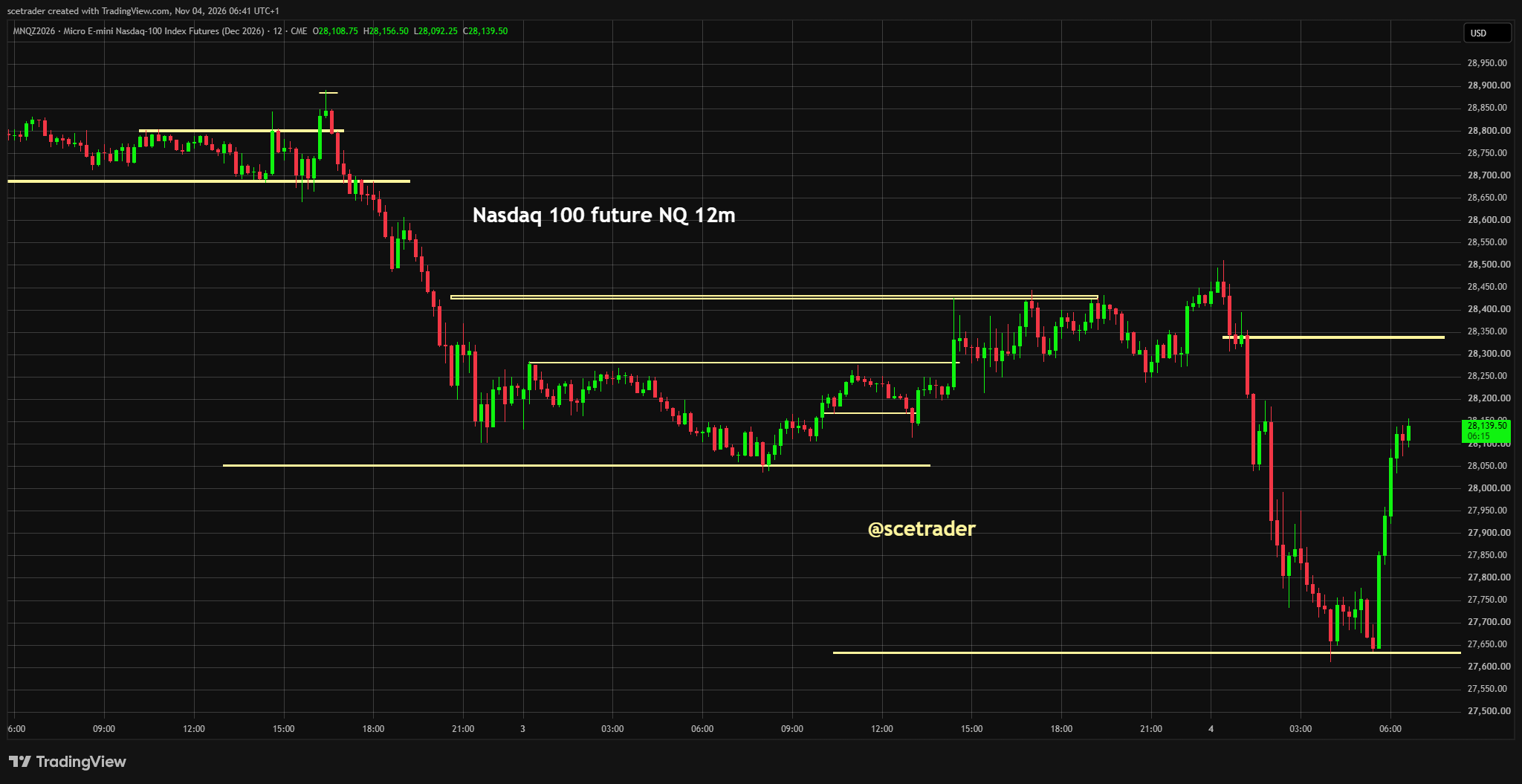
■ Amerikaanse futures: De Nasdaq 100-future verloor aanvankelijk meer dan 2%, maar heeft een groot deel van die daling teruggewonnen. Dat is belangrijk omdat technologie het zwaartepunt van de eerste verkoopgolf vormde. De tweede reactie van de markt is duidelijk rustiger dan de eerste en de echte test volgt vanmiddag wanneer Wall Street zelf opent.
■ Midterms: Democraten worden inmiddels geprojecteerd op controle van zowel het Huis van Afgevaardigden als de Senaat. De uitslag is duidelijk sterker dan veel Republikeinen hadden gehoopt en vormt een politieke tegenvaller voor president Trump, maar een deel van een sterke Democratische uitslag zat vooraf al in de markt.
■ Politieke gevolgen: Democratische controle van beide kamers betekent meer tegenmacht voor Trump en kan leiden tot meer politieke blokkades. Trump behoudt echter zijn vetorecht en belangrijke uitvoerende bevoegdheden rond onder meer handel en buitenlands beleid, waardoor de uitslag niet automatisch betekent dat het beleid volledig omdraait.
■ Data centers: De markt vreest vooral dat nieuwe data centers meer politieke en lokale tegenwind krijgen. Dat risico is reëel omdat weerstand tegen grote projecten groeit en de Democratische overwinning de aandacht voor energieverbruik, netcapaciteit en lokale bezwaren kan vergroten. Wij zien dit als een groter beleidsrisico en niet als bewijs dat de bouw van data centers automatisch wordt stilgelegd.
■ 2028: De midterms zijn duidelijk een oordeel over de huidige regering, maar zeggen nog weinig definitiefs over de presidentsverkiezingen over twee jaar. De politieke verhoudingen veranderen, maar de markt moet vooral beoordelen wat dit de komende twee jaar concreet betekent voor wetgeving, begrotingen en regelgeving.
■ Wall Street dinsdag: De S&P 500 steeg 0,36% en de Nasdaq 0,83%, terwijl de Dow Jones 0,38% verloor. Technologie werd dus vóór de verkiezingsuitslag opnieuw gekocht na de forse correctie van de afgelopen weken. Dat maakt de reactie van vanmiddag extra belangrijk omdat moet blijken of die kopers opnieuw terugkomen.
■ Amerikaanse economie: De macrodata blijven sterker dan het sentiment op de beurs suggereert. Het aantal vacatures steeg naar 7,523 miljoen, ontslagen daalden naar 1,641 miljoen, fabrieksorders stegen 1,8% tegenover 1,2% verwacht en de orders voor kernkapitaalgoederen namen 0,6% toe. De economie vertraagt niet abrupt, maar sterke cijfers beperken wel de ruimte voor snelle renteverlagingen.
■ ISM-industrie: De ISM-index voor de industrie steeg eerder deze week naar 55,5 vanaf 54,5. Dat bevestigt dat de Amerikaanse industriële cyclus nog steeds groeit en past niet bij een economie die plotseling richting recessie beweegt.
■ Azië: Aziatische technologieaandelen kregen na de verkiezingsuitslag stevige klappen. Japan blijft het zwakst met de Nikkei ongeveer 3% lager, vooral door druk op technologie en SoftBank. Zuid-Korea en Taiwan herstelden volgens de laatste marktsignalen wel duidelijk vanaf hun dieptepunt, wat opnieuw laat zien dat de eerste schrikreactie niet overal volledig wordt vastgehouden.
■ AEX technisch: De optiegegevens op de AEX worden minder gunstig en wijzen op meer weerstand. Dat betekent niet dat de stijgende trend voorbij is, maar Europa lijkt voor een volgende rally een nieuwe impuls nodig te hebben. Een overtuigend herstel op Wall Street kan zo’n impuls leveren.
■ AMD $AMD: AMD rapporteerde een omzet van $13,38 miljard tegenover $13,09 miljard verwacht en een aangepaste winst per aandeel van $2,09 tegenover $1,95 verwacht. De omzet uit data centers steeg 97% naar een record van $8,55 miljard en voor het vierde kwartaal verwacht AMD ongeveer $17 miljard omzet, ruim boven de marktverwachting. De cijfers bevestigen dat de feitelijke vraag naar AI-compute uitzonderlijk sterk blijft.
■ AMD $AMD en peak earnings: De fundamentele cijfers zijn zeer sterk, maar vandaag wordt vooral belangrijk hoe beleggers die groei waarderen. De markt kan de cijfers zien als bewijs dat de AI-cyclus doorzet, maar ook als een mogelijk moment waarop de winstgroei dicht bij een piek komt. De reactie van AMD wordt daarom een belangrijke graadmeter voor het bredere technologiesentiment.
■ AMD $AMD en warrants: AMD boekte daarnaast een niet-kaskostenpost van $1,07 miljard voor warrants die aan OpenAI en Meta zijn verstrekt in ruil voor grote aankoopverplichtingen. Deze constructies bevestigen de enorme vraag naar alternatieven voor NVIDIA, maar laten ook zien hoe nauw klanten, leveranciers en investeerders binnen de AI-keten financieel met elkaar verweven raken.
■ Super Micro Computer $SMCI: Super Micro rapporteerde $19,95 miljard omzet en een aangepaste winst per aandeel van $1,81, beide ruim boven verwachting. De outlook voor het tweede kwartaal ligt eveneens boven consensus en het aandeel reageerde nabeurs duidelijk hoger. De vraag naar AI-servers blijft dus zeer sterk, maar wij blijven terughoudend door de eerdere zorgen rond verslaggeving, governance en exportkwesties.
■ Astera Labs $ALAB: Astera Labs rapporteerde een recordomzet van $584,9 miljoen, 154% hoger dan een jaar geleden, en een aangepaste winst per aandeel van $1,32. Ook de outlook lag duidelijk boven verwachting. De gemengde eerste koersreactie ondanks uitzonderlijk sterke cijfers past echter precies bij het huidige marktbeeld: sterke operationele prestaties worden niet automatisch beloond wanneer beleggers al veel groei hebben ingeprijsd.
■ Oracle $ORCL en Tencent: Volgens de Financial Times heeft Oracle een vijfjarige AI-chipdeal met Tencent ter waarde van naar schatting $7 miljard geannuleerd onder politieke druk. De overeenkomst zou Tencent toegang hebben gegeven tot maximaal 100.000 geavanceerde AI-chips via data centers buiten China. Dit vergroot het geopolitieke risico voor Amerikaanse cloudbedrijven en laat zien dat Chinese toegang tot geavanceerde AI-compute ook buiten China steeds gevoeliger wordt.
■ Revolut: Revolut gebruikt voor ongeveer 2.000 engineers zelf gehoste GLM-modellen als standaard, terwijl Claude Code van Anthropic en Codex van OpenAI vooral voor de moeilijkste taken worden ingezet. Volgens Revolut liggen de kosten rond $0,30 per miljoen tokens, ongeveer 90% lager dan voorheen, maar die kostprijs hangt sterk af van schaal en technische optimalisatie. Voor Anthropic en OpenAI is vooral de verschuiving van standaard naar premiumlaag een risico voor volume en pricing power, terwijl veel goedkopere AI juist een sterke stijging van het totale gebruik kan veroorzaken.
■ Revolut en infrastructuur: Meer zelf hosten is op korte termijn niet automatisch negatief voor NVIDIA of andere leveranciers van infrastructuur, omdat ondernemingen daarvoor juist GPU’s, memory en networking nodig hebben. Het grotere risico komt later wanneer lagere prijzen voor AI leiden tot een zwakker rendement op de enorme investeringen en hyperscalers daardoor hun capex vertragen.
■ AI-spagaat: De signalen uit de daadwerkelijke vraag blijven zeer sterk. AMD, Super Micro en Astera laten zien dat bedrijven nog steeds enorme hoeveelheden AI-infrastructuur kopen. Tegelijk blijft de markt worstelen met schuld, financiering, vrije kasstroom en de vraag of de honderden miljarden aan investeringen uiteindelijk voldoende rendement opleveren.
■ AI-schuld: Dit blijft voor ons belangrijker dan de midterms voor de langere trend. Wanneer de markt voldoende zicht krijgt op wie de enorme investeringen kan financieren en welke bedrijven voldoende vrije kasstroom genereren, kan opnieuw ruimte ontstaan voor een stevige rally. Zolang dat beeld onduidelijk blijft, blijven beleggers veel kritischer op hoge waarderingen.
■ AI-crashrisico: Een sterke vraag naar AI betekent niet automatisch dat iedere onderneming in de keten hoge rendementen behaalt. Wanneer open modellen, lagere prijzen en steeds hogere investeringen uiteindelijk leiden tot lagere marges en zwakke vrije kasstromen, kan de markt de hele AI-keten fors lager waarderen. Dat is niet ons basisscenario, maar in een extreem scenario kan dit wel uitlopen op een crash in delen van de AI-sector.
■ Cyclische bullmarkt: De sterke resultaten bij technologie en chips geven vooralsnog geen signaal dat de cyclische bullmarkt fundamenteel is gebroken. Zonder technologie wordt een nieuwe brede beursrally echter moeilijk, waardoor de komende reacties op sterke cijfers extra belangrijk zijn.
■ Novo Nordisk $NVO: Novo Nordisk rapporteert vanochtend de resultaten over de eerste negen maanden. Groei bij obesitas- en diabetesmiddelen, marges en de outlook worden bepalend.
■ Ahold Delhaize $AD: Ahold Delhaize rapporteert om 07:30 uur. De aandacht ligt vooral op de Amerikaanse marges, volumes, online groei en de outlook.
■ Vopak $VPK: Vopak komt om 07:00 uur met cijfers. Bezettingsgraad, kasstroom, investeringen en de outlook zijn de belangrijkste punten.
■ dsm-firmenich $DSFIR: dsm-firmenich publiceert vandaag de update over het derde kwartaal. Volumes, prijzen en marges worden de belangrijkste onderdelen.
■ Wolters Kluwer $WKL: Wolters Kluwer publiceert om 08:00 uur de update over de eerste negen maanden. Organische groei, marges en de ontwikkeling van AI-producten zijn belangrijk.
■ Qualcomm $QCOM en Arm $ARM: Beide bedrijven rapporteren na het slot van Wall Street. De outlook voor smartphones, data centers, edge AI en royalty’s kan opnieuw voor forse bewegingen binnen de chipsector zorgen.
■ Halfgeleiders: Een zwakke of verdeelde start blijft mogelijk door de politieke reactie, maar AMD, Super Micro en Astera vormen sterke fundamentele tegengewichten. De markt moet nu vooral laten zien of goede cijfers opnieuw worden gekocht.
■ AI en data centers: Het politieke risico is groter geworden, terwijl de feitelijke vraag naar infrastructuur nog steeds uitzonderlijk sterk is. Beleggers moeten daarom onderscheid maken tussen een mogelijke vertraging door regelgeving en een fundamentele daling van de vraag. Dat zijn twee verschillende zaken.
■ Industrie: Lagere rentes ondersteunen waarderingen en de industriële economie blijft redelijk sterk. Olie blijft volatiel, waardoor het kostenvoordeel voor industrie minder duidelijk is dan eerder in de nacht.
■ Transport en luchtvaart: De forse daling van olie ten opzichte van vorige week blijft gunstig voor brandstofkosten, maar een nieuwe stijging door Iran kan een deel van dat voordeel snel terugdraaien.
■ Consument: Lagere energiekosten ten opzichte van de eerdere pieken ondersteunen de koopkracht. De belangrijkste vraag blijft of politieke onzekerheid en hogere rentes het vertrouwen gaan raken.
■ Banken: Lagere lange rentes zijn minder gunstig voor rentemarges, maar verminderen tegelijkertijd de druk op obligatieportefeuilles. Het sectorbeeld is daardoor gemengd.
■ Energie: De energiesector blijft volledig afhankelijk van de volgende beweging in olie. De grote daling van de afgelopen dagen was negatief voor producenten, maar de geopolitieke premie kan snel terugkeren.
■ Gezondheidszorg: Gezondheidszorg kan profiteren van tijdelijke rotatie uit technologie en blijft één van de defensievere delen van de markt.
■ Rente: De Amerikaanse tienjaarsrente ligt rond 4,91% tot 4,92%, Japan rond 2,78%, Duitsland rond 3,31% en Frankrijk rond 4,93%. Wij beoordelen het rentebeeld op dit moment als neutraal. De daling in de VS helpt technologie, maar is nog niet sterk genoeg om alle andere risico’s te overschaduwen.
■ AI-financiering: Lagere rentes helpen de financiering van nieuwe projecten, maar lossen het fundamentele probleem niet op. De markt wil zien dat de nieuwe capaciteit uiteindelijk voldoende vrije kasstroom oplevert en dat bedrijven niet steeds meer schuld nodig hebben om groei vast te houden.
■ Dollar: De dollar staat duidelijk onder druk na de verkiezingsuitslag. De dollarindex ligt rond 101,3 en de euro is opgelopen richting $1,125. Minder verwachte fiscale stimulering en lagere Amerikaanse rentes drukken op de munt.
■ USD/JPY: De yen profiteert van de lagere Amerikaanse rente en noteert rond 157,5 tot 157,9 per dollar. De beweging past bij de vlucht naar obligaties na de eerste verkiezingsreactie.
■ Britse pond: Het pond blijft relatief sterk richting het rentebesluit van de Bank of England op donderdag. De markt houdt rekening met een renteverhoging.
■ Olie: Brent is na eerdere verliezen opnieuw hoger gedraaid en noteert rond $104 per vat, terwijl WTI rond $96 tot $97 ligt. De markt probeert de kans op diplomatie met Iran af te wegen tegen het risico dat de oorlog opnieuw escaleert.
■ Iran: De Verenigde Staten hebben Qeshm Island aangevallen, maar Trump zegt momenteel geen directe plannen te hebben voor nieuwe aanvallen. Tegelijk blijven Washington en Teheran ver van een akkoord en probeert Qatar te bemiddelen. Iran blijft daardoor één van de grootste wildcards voor olie, inflatie en marktsentiment.
■ Olievoorraden: API-data wezen op een onverwachte daling van de Amerikaanse ruwe olievoorraden met ongeveer 5,27 miljoen vaten. De officiële cijfers volgen om 16:30 uur.
■ Goud: Goud staat opnieuw hoger en profiteert van lagere Amerikaanse rentes en een zwakkere dollar. De beweging blijft echter volatiel en moet nog bevestigen dat een nieuwe stijgende fase is begonnen.
■ Zilver: Zilver laat voor het eerst na de forse daling een duidelijker teken van stabilisatie zien en noteert rond $50. Dat is positief, maar voor ons nog onvoldoende om opnieuw van een overtuigende stijgende trend te spreken.
■ Koper: De structurele vraag vanuit elektriciteitsnetten, data centers en elektrificatie blijft sterk. Op korte termijn blijven China, wereldwijde groei en het sentiment rond AI de belangrijkste factoren.
■ Bitcoin: Bitcoin noteert rond $77.000 tot $78.000 en probeert na de recente zwakte te stabiliseren. De beweging is nog onvoldoende om van een nieuwe opwaartse trend te spreken.
■ Crypto-aandelen: Galaxy steeg dinsdag ongeveer 15% en Marathon Digital circa 11%. Wij zien dat voorlopig vooral als technisch herstel na forse eerdere dalingen en niet als bewijs dat de volledige crypto-correctie voorbij is.
■ Crypto en politiek: Democratische controle van het Congres kan de discussie over Amerikaanse cryptoregulering veranderen. De eerste reactie is negatief, maar de uiteindelijke impact hangt af van concrete wetgeving en van wat Trump via zijn uitvoerende bevoegdheden blijft doen.
■ 10:00 uur: De definitieve diensten- en samengestelde PMI voor de eurozone wordt gepubliceerd.
■ 11:00 uur: De eerste inflatieraming voor de eurozone volgt. Vooral kerninflatie en diensteninflatie zijn belangrijk voor de ECB.
■ 14:15 uur: Het ADP-rapport over de Amerikaanse arbeidsmarkt verschijnt. De markt rekent op duidelijk minder banengroei dan in september.
■ 14:30 uur: De Amerikaanse handelsbalans en de kwartaalupdate over de financieringsbehoefte van de Amerikaanse schatkist volgen.
■ 15:30 uur: Wall Street opent en geeft daarmee de belangrijkste tweede reactie op de midterms.
■ 15:45 uur: De definitieve Amerikaanse diensten-PMI wordt gepubliceerd.
■ 16:00 uur: De ISM-index voor diensten volgt. Werkgelegenheid en betaalde prijzen verdienen extra aandacht.
■ 16:30 uur: De officiële Amerikaanse olievoorraden worden gepubliceerd.
■ Na Wall Street: Qualcomm en Arm rapporteren cijfers. Vrijdag volgt het Amerikaanse banenrapport over oktober.
■ Desk-view: De eerste verkiezingsreactie was veel negatiever dan het beeld dat nu richting Europa ontstaat. De Amerikaanse futures zijn duidelijk hersteld vanaf de dieptepunten en ook delen van Azië kwamen terug van hun laagste niveaus. Daarom gaan wij niet meer uit van een Europese daling van ongeveer 1%, maar van een veel neutralere start met ruimte voor een licht positieve opening wanneer het herstel verder doorzet.
■ Desk-view midterms: De Democratische sweep is politiek belangrijk en verhoogt het risico op meer regelgeving rond AI, data centers, banken en crypto. Tegelijk behoudt Trump belangrijke uitvoerende bevoegdheden en zijn vetorecht, waardoor veel beleid waarschijnlijk via onderhandelingen en politieke blokkades zal verlopen.
■ Desk-view AI: Voor ons blijft de grotere vraag de financiële kwaliteit van de AI-boom. AMD, Super Micro en Astera bevestigen dat de werkelijke vraag naar compute nog zeer sterk is. Revolut laat tegelijkertijd zien dat de prijs van intelligentie snel kan dalen. De combinatie van sterke vraag, dalende prijzen en enorme investeringen maakt rendement op kapitaal belangrijker dan alleen omzetgroei.
■ Desk-view techniek: De AEX en andere Europese indices lopen technisch tegen meer weerstand aan en hebben waarschijnlijk een nieuwe impuls nodig. Als Wall Street de eerste verkiezingsschrik verder relativeert, kan dat opnieuw steun geven. Wanneer technologie ondanks sterke cijfers en lagere rentes opnieuw hard wordt verkocht, is dat juist een duidelijk negatief signaal.
■ Desk-view positionering: Wij jagen de eerste beweging niet achterna. De cyclische bullmarkt lijkt fundamenteel nog intact, maar wij blijven voorzichtig zolang de markt geen beter beeld heeft van AI-schuld, vrije kasstroom en rendement op de enorme investeringen. De eerste reactie op de midterms was negatief, de tweede reactie wordt duidelijk rustiger en de derde reactie van Wall Street vanmiddag wordt waarschijnlijk het belangrijkst.
🔵 English version
Morning Call: initial shock after Democratic sweep fades, AI remains the real test
■ Core view: The initial reaction to the US midterms was sharply negative, but a meaningful part of that move has already been reversed. S&P 500 futures are down around 0.6% and Nasdaq 100 futures roughly 0.8%, after technology initially sold off much more aggressively. We therefore expect a substantially milder European open than the first futures indication suggested, with roughly flat to modestly lower as our base case and room for a slightly positive start if the recovery continues.
■ Europe: European futures initially pointed to losses of more than 1%, but we no longer view that as a reliable guide to the eventual cash open. The recovery in US futures, the rebound from intraday lows across parts of Asia and Europe's recent resilience make a more neutral start increasingly plausible.
■ US futures: Nasdaq 100 futures initially fell more than 2% but have recovered a large part of that decline. That matters because technology was at the centre of the initial selloff. The market's second reaction is clearly calmer than the first, while the real test comes when Wall Street itself opens this afternoon.
■ Midterms: Democrats are now projected to control both the House of Representatives and the Senate. The result is clearly stronger than many Republicans had hoped and represents a political setback for President Trump, although a strong Democratic outcome was already partly anticipated.
■ Political consequences: Democratic control of both chambers creates greater resistance to Trump's legislative agenda and could produce more political gridlock. Trump, however, retains veto power and important executive authority over areas including trade and foreign policy, meaning the election result does not automatically produce a complete reversal of policy.
■ Data centers: Markets are primarily concerned that new data centers could face greater political and local resistance. The risk is real as opposition to large projects grows and the Democratic victory can increase scrutiny of energy usage, grid capacity and local concerns. We view this as a larger policy risk rather than proof that data-center construction will automatically stop.
■ 2028: The midterms clearly represent a judgment on the current administration, but say little definitively about the presidential election two years from now. Political power has shifted, but markets now need to assess what that actually means for legislation, budgets and regulation over the next two years.
■ Wall Street Tuesday: The S&P 500 gained 0.36% and Nasdaq rose 0.83%, while the Dow Jones fell 0.38%. Technology therefore attracted buyers again before the election results following the sharp correction of recent weeks. That makes today's reaction particularly important because we now need to see whether those buyers return.
■ US economy: Macro data remain stronger than equity sentiment suggests. Job openings increased to 7.523 million, layoffs fell to 1.641 million, factory orders rose 1.8% versus 1.2% expected and core capital-goods orders increased 0.6%. The economy is not suddenly deteriorating, although strong data reduce the Federal Reserve's room for rapid easing.
■ ISM manufacturing: The ISM manufacturing index rose earlier this week to 55.5 from 54.5. That confirms continued expansion in the US industrial cycle and does not fit with an economy suddenly moving toward recession.
■ Asia: Asian technology shares suffered heavy losses following the election result. Japan remains the weakest major market with the Nikkei around 3% lower, led by technology and SoftBank. South Korea and Taiwan, however, recovered materially from their lows in the latest market indications, again showing that the initial shock is not being fully sustained everywhere.
■ AEX technical: AEX options data are becoming less favourable and indicate greater resistance. That does not mean the upward trend is over, but Europe appears to need a new catalyst for another leg higher. A convincing Wall Street recovery could provide that catalyst.
■ AMD $AMD: AMD reported revenue of $13.38 billion versus $13.09 billion expected and adjusted EPS of $2.09 versus $1.95 expected. Data-center revenue surged 97% to a record $8.55 billion and AMD expects roughly $17 billion of fourth-quarter revenue, comfortably above market expectations. The results confirm that underlying demand for AI compute remains exceptionally strong.
■ AMD $AMD and peak earnings: The fundamental numbers are extremely strong, but the key question today is how investors choose to value that growth. Markets can view the results as evidence that the AI cycle remains powerful, but they can also start asking whether earnings growth is approaching a peak. AMD's reaction therefore becomes an important gauge for broader technology sentiment.
■ AMD $AMD and warrants: AMD also recorded a $1.07 billion non-cash charge related to warrants granted to OpenAI and Meta in exchange for large purchasing commitments. These structures confirm enormous demand for alternatives to NVIDIA, but also illustrate how closely customers, suppliers and investors within the AI ecosystem are becoming financially interconnected.
■ Super Micro Computer $SMCI: Super Micro reported $19.95 billion of revenue and adjusted EPS of $1.81, both comfortably above expectations. Second-quarter guidance also exceeded consensus and the shares reacted strongly higher after hours. AI-server demand therefore remains extremely strong, although we remain cautious because of previous concerns around reporting, governance and export issues.
■ Astera Labs $ALAB: Astera Labs reported record revenue of $584.9 million, up 154% year over year, and adjusted EPS of $1.32. Guidance also came in well above expectations. The mixed initial share-price response despite exceptional numbers fits the current market perfectly: strong operating results are not automatically rewarded when investors have already priced in substantial growth.
■ Oracle $ORCL and Tencent: According to the Financial Times, Oracle cancelled a five-year AI-chip agreement with Tencent worth an estimated $7 billion under political pressure. The deal would have given Tencent access to as many as 100,000 advanced AI chips through data centers outside China. This increases geopolitical risk for US cloud providers and shows that Chinese access to advanced AI compute is becoming more politically sensitive even outside China.
■ Revolut: Revolut is using self-hosted GLM models as the default for roughly 2,000 engineers, while Anthropic's Claude Code and OpenAI's Codex are primarily reserved for the hardest tasks. Revolut says costs are around $0.30 per million tokens, roughly 90% below previous spending, although that cost depends heavily on scale and technical optimisation. For Anthropic and OpenAI, the shift from default layer toward premium layer creates risk for volume and pricing power, while dramatically cheaper AI can simultaneously drive much greater total usage.
■ Revolut and infrastructure: Greater self-hosting is not automatically negative for NVIDIA or other infrastructure suppliers in the near term because enterprises still require GPUs, memory and networking. The larger risk comes later if lower AI pricing leads to weaker returns on enormous investments and hyperscalers consequently slow capex.
■ AI tension: Actual demand signals remain extremely strong. AMD, Super Micro and Astera demonstrate that companies continue purchasing enormous amounts of AI infrastructure. At the same time, markets remain concerned about debt, financing, free cash flow and whether hundreds of billions of dollars of investment will ultimately generate adequate returns.
■ AI debt: This remains more important to us than the midterms for the longer-term market trend. If investors gain sufficient visibility into which companies can finance enormous investment and which businesses generate enough free cash flow, there can be room for another powerful rally. Until that picture becomes clearer, markets will remain much more critical of elevated valuations.
■ AI crash risk: Strong AI demand does not automatically mean every company in the value chain earns attractive returns. If open models, lower pricing and ever-greater investment ultimately result in weaker margins and disappointing free cash flow, markets can revalue the entire AI chain sharply lower. This is not our base case, but in an extreme scenario it could develop into a crash across parts of the AI sector.
■ Cyclical bull market: Strong technology and semiconductor results do not yet indicate that the cyclical bull market has fundamentally broken. A new broad market rally will be difficult without technology, however, making the coming reactions to strong earnings particularly important.
■ Novo Nordisk $NVO: Novo Nordisk reports nine-month results this morning. Growth in obesity and diabetes medicines, margins and guidance will be central.
■ Ahold Delhaize $AD: Ahold Delhaize reports at 07:30 CET. US margins, volumes, online growth and guidance deserve the greatest attention.
■ Vopak $VPK: Vopak reports at 07:00 CET. Occupancy, cash flow, investment and guidance are the main focus points.
■ dsm-firmenich $DSFIR: dsm-firmenich provides its third-quarter update today. Volumes, pricing and margins will be the key components.
■ Wolters Kluwer $WKL: Wolters Kluwer releases its nine-month update at 08:00 CET. Organic growth, margins and development of AI products are important.
■ Qualcomm $QCOM and Arm $ARM: Both companies report after the Wall Street close. Outlooks for smartphones, data centers, edge AI and royalties can again generate major moves across the semiconductor sector.
■ Semiconductors: A weak or divided start remains possible because of the political reaction, but AMD, Super Micro and Astera provide strong fundamental counterweights. Markets now need to demonstrate whether good earnings can again attract buyers.
■ AI and data centers: Political risk has increased while actual infrastructure demand remains exceptionally strong. Investors therefore need to distinguish between potential delays from regulation and a fundamental decline in demand. Those are two different things.
■ Industrials: Lower yields support valuations and the industrial economy remains reasonably strong. Oil remains volatile, making the cost benefit for industry less clear than it appeared earlier in the night.
■ Transportation and aviation: The substantial decline in oil compared with last week remains supportive for fuel costs, although renewed gains caused by Iran could quickly reverse part of that benefit.
■ Consumer: Lower energy costs compared with previous peaks support purchasing power. The main question is whether political uncertainty and higher rates eventually affect confidence.
■ Banks: Lower long-term yields are less favourable for net interest margins but simultaneously reduce pressure on bond portfolios. The sector picture is therefore mixed.
■ Energy: The energy sector remains highly dependent on the next move in oil. The large decline over recent days was negative for producers, but geopolitical risk premium can return quickly.
■ Healthcare: Healthcare can benefit from temporary rotation away from technology and remains one of the more defensive areas of the market.
■ Rates: The US ten-year yield is around 4.91% to 4.92%, Japan around 2.78%, Germany around 3.31% and France around 4.93%. We currently view the rates backdrop as neutral. The decline in US yields helps technology but is not large enough to overshadow every other risk.
■ AI financing: Lower yields help finance new projects but do not solve the fundamental problem. Markets want evidence that new capacity ultimately generates sufficient free cash flow and that companies do not need ever-greater amounts of debt to sustain growth.
■ Dollar: The dollar is under clear pressure following the election result. The Dollar Index is around 101.3 and the euro has risen toward $1.125. Lower expected fiscal stimulus and lower US yields are weighing on the currency.
■ USD/JPY: The yen benefits from lower US yields and is trading around 157.5 to 157.9 per dollar. The move is consistent with safe-haven demand for bonds following the initial election reaction.
■ British pound: Sterling remains relatively firm heading into Thursday's Bank of England decision. Markets expect a rate increase.
■ Oil: Brent has reversed earlier losses and is trading around $104 per barrel, while WTI is around $96 to $97. Markets are balancing the possibility of diplomacy with Iran against the risk of renewed escalation.
■ Iran: The United States struck Qeshm Island, but Trump says there are currently no immediate plans for additional attacks. Washington and Tehran nevertheless remain far from a deal while Qatar continues mediating. Iran therefore remains one of the largest wildcards for oil, inflation and market sentiment.
■ Oil inventories: API data showed an unexpected decline of approximately 5.27 million barrels in US crude inventories. Official government figures are due at 16:30 CET.
■ Gold: Gold is higher again and benefits from lower US yields and a weaker dollar. The move remains volatile and still needs to confirm that a new sustained uptrend has begun.
■ Silver: Silver is showing its first clearer sign of stabilisation following the sharp decline and is trading around $50. That is constructive, but still insufficient for us to call a convincing new uptrend.
■ Copper: Structural demand from electricity grids, data centers and electrification remains strong. In the near term, China, global growth and sentiment around AI remain the main drivers.
■ Bitcoin: Bitcoin trades around $77,000 to $78,000 and is attempting to stabilise after recent weakness. The move remains insufficient to confirm a new uptrend.
■ Crypto equities: Galaxy gained roughly 15% Tuesday and Marathon Digital around 11%. For now, we view this primarily as a technical rebound after substantial previous declines rather than proof that the broader crypto correction is over.
■ Crypto and politics: Democratic control of Congress can alter the outlook for US cryptocurrency regulation. The initial reaction is negative, but the eventual impact depends on actual legislation and on what Trump continues to do through executive authority.
■ 10:00 CET: Final euro-area services and composite PMI are released.
■ 11:00 CET: Euro-area flash inflation follows. Core and services inflation are particularly important for the ECB.
■ 14:15 CET: The US ADP employment report is released. Markets expect materially slower job growth than in September.
■ 14:30 CET: The US trade balance and quarterly Treasury financing update are released.
■ 15:30 CET: Wall Street opens and delivers the most important second reaction to the midterms.
■ 15:45 CET: Final US services PMI is released.
■ 16:00 CET: ISM services follows. Employment and prices paid deserve particular attention.
■ 16:30 CET: Official US crude inventory data are released.
■ After Wall Street: Qualcomm and Arm report earnings. The US October employment report follows on Friday.
■ Desk view: The first election reaction was much more negative than the picture now emerging ahead of Europe. US futures have recovered substantially from their lows and parts of Asia also moved well off their session lows. We therefore no longer expect Europe to open around 1% lower and instead see a much more neutral start, with scope for a slightly positive opening if the recovery continues.
■ Desk view midterms: The Democratic sweep is politically important and increases the risk of greater regulation around AI, data centers, banks and crypto. Trump nevertheless retains important executive powers and veto authority, making negotiation and political gridlock likely parts of the next two years.
■ Desk view AI: For us, the larger question remains the financial quality of the AI boom. AMD, Super Micro and Astera confirm that actual compute demand remains exceptionally strong. Revolut simultaneously demonstrates how quickly the price of intelligence can decline. The combination of strong demand, falling pricing and enormous investment makes returns on capital more important than revenue growth alone.
■ Desk view technical: The AEX and other European indices are encountering greater technical resistance and probably need a fresh catalyst. If Wall Street continues to put the initial election shock into perspective, that can provide renewed support. If technology is sold aggressively again despite strong earnings and lower yields, that would be a genuinely negative signal.
■ Desk view positioning: We do not chase the first move. The cyclical bull market still appears fundamentally intact, but we remain cautious until markets have a clearer view of AI debt, free cash flow and returns on enormous investment. The first reaction to the midterms was negative, the second is already much calmer and Wall Street's third reaction this afternoon will likely matter most.
© 2026 SCEtrader.nl - Alle rechten voorbehouden
Disclaimer Aan de door ons opgestelde informatie kan op geen enkele wijze rechten worden ontleend. Alle door ons verstrekte informatie en analyses zijn geheel vrijblijvend. Alle consequenties van het op welke wijze dan ook toepassen van de informatie blijven volledig voor uw eigen rekening.
Wij aanvaarden geen aansprakelijkheid voor de mogelijke gevolgen of schade die zouden kunnen voortvloeien uit het gebruik van de door ons gepubliceerde informatie. U bent zelf eindverantwoordelijk voor de beslissingen die u neemt met betrekking tot uw beleggingen.

