☕️ Morning Call en📞 Podcast donderdag 1 oktober - Van MU tot rente tot olie

■ Europa: de Europese futures wijzen op een verdeelde tot licht lagere opening. De Euro Stoxx 50-future staat circa 0,2% lager en ook de FTSE-future noteert in de min. Toch vinden wij de onderliggende situatie minder zwak dan die openingsindicatie doet vermoeden. De Amerikaanse futures liggen duidelijk hoger, olie staat lager en Micron heeft opnieuw bevestigd dat de AI-geheugencyclus zeer krachtig blijft. Onze bias is daarom dat Europa na een zwakke eerste fase relatief snel steun kan vinden en gedurende de sessie kan herstellen.

■ Micron en HBM: Micron blijft vandaag veruit het belangrijkste bedrijfsverhaal. De kwartaalomzet kwam uit op $54,23 miljard en voor het lopende kwartaal rekent het bedrijf op circa $61,5 miljard. Nog belangrijker is dat financiële verplichtingen van klanten onder langlopende leveringsovereenkomsten zijn gestegen van $22 miljard naar $32 miljard, de vraag de beschikbare capaciteit overtreft en het grootste deel van de HBM-productie voor 2027 al contractueel is vastgelegd. Tegelijk wijst Micron zelf op concurrentie en toekomstige capaciteitsuitbreidingen. Memory blijft dus cyclisch, maar wij denken dat AI, physical AI en uiteindelijk robotisering ervoor kunnen zorgen dat die cycliciteit minder extreem wordt dan in eerdere cycli. De koers deed nabeurs uiteindelijk weinig, maar fundamenteel verandert dat voor ons niets. Meer HBM en advanced DRAM betekent meer wafercapaciteit, complexere productie en advanced packaging en blijft daarmee positief voor ASML, ASM International, Besi en andere toeleveranciers. De markt legt Micron nu onder een vergrootglas, maar dat zagen we eerder ook bij andere grote AI-winnaars voordat de groei uiteindelijk opnieuw sterker bleek dan gevreesd.
■ Wall Street: de S&P 500 kwam woensdag richting het slot terug van de beste niveaus en sloot ongeveer 0,25% lager, terwijl de technologie-indices juist iets hoger eindigden. Dat verschil blijft belangrijk. De brede markt heeft duidelijk meer last van de hogere rente, terwijl technologie en software relatief goed blijven liggen.
■ Marktbreedte: de markt blijft opvallend stroperig. Stijgingen worden regelmatig afgeremd en de grote indices zetten moeilijk overtuigend door, maar tegelijkertijd wil de markt voorlopig ook niet echt naar beneden breken. Bij individuele aandelen zien we juist zeer grote bewegingen binnen één handelsdag. Daardoor lijkt de index rustig, terwijl onder de oppervlakte forse winnaars en verliezers ontstaan.
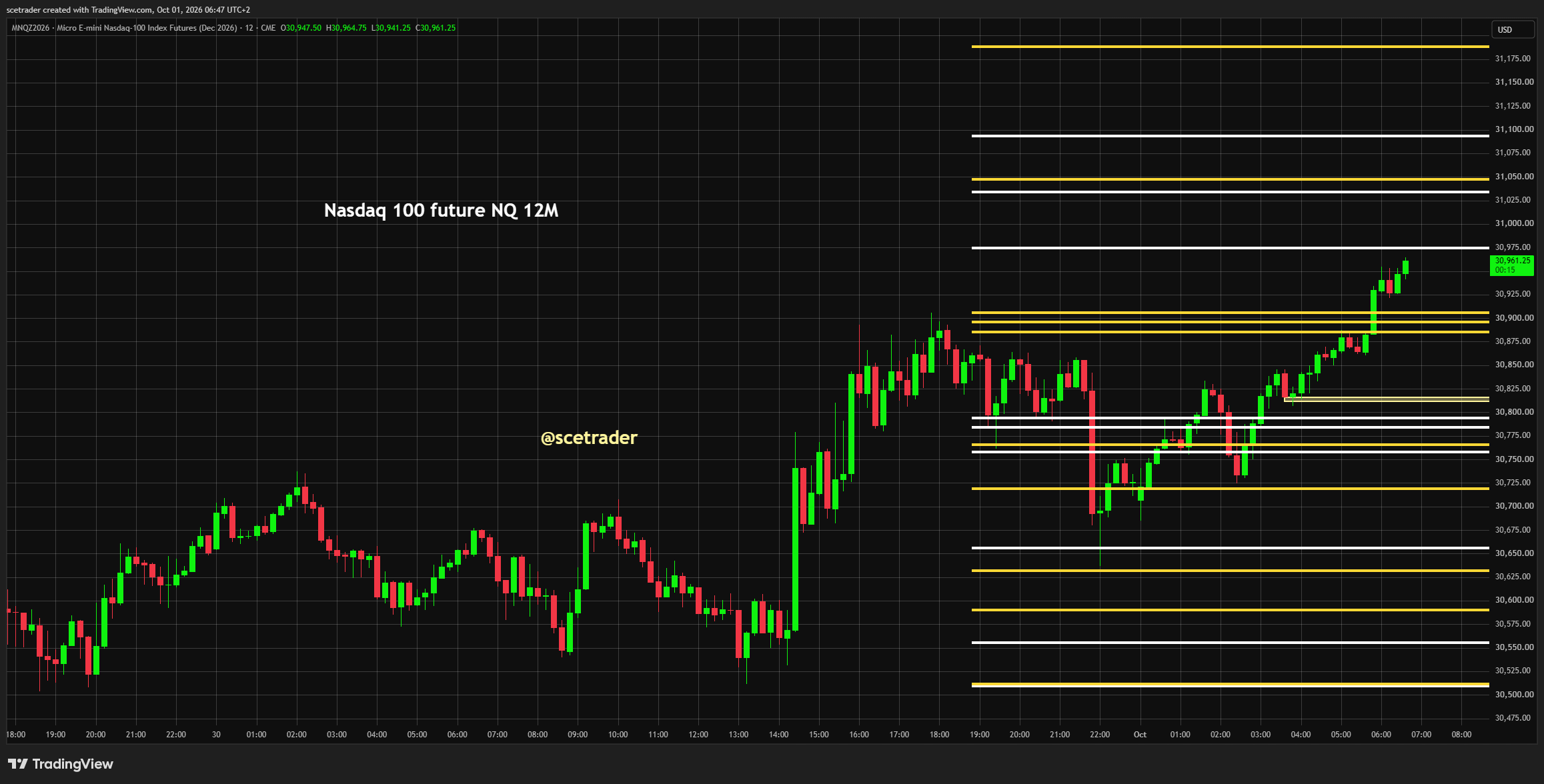
■ Amerikaanse futures: hier is het beeld duidelijk sterker geworden. S&P 500-futures staan ongeveer 0,5% hoger en Nasdaq 100-futures circa 0,85% in de plus. Dat is een behoorlijk krachtig signaal tegenover de lagere Europese futures en ondersteunt onze gedachte dat Europa na de opening steun kan vinden. Technisch zien wij bij de Amerikaanse futures bovendien in eerste instantie stevige steun rond de niveaus van de Aziatische opening. Zolang die zone standhoudt, blijft er ruimte naar boven.
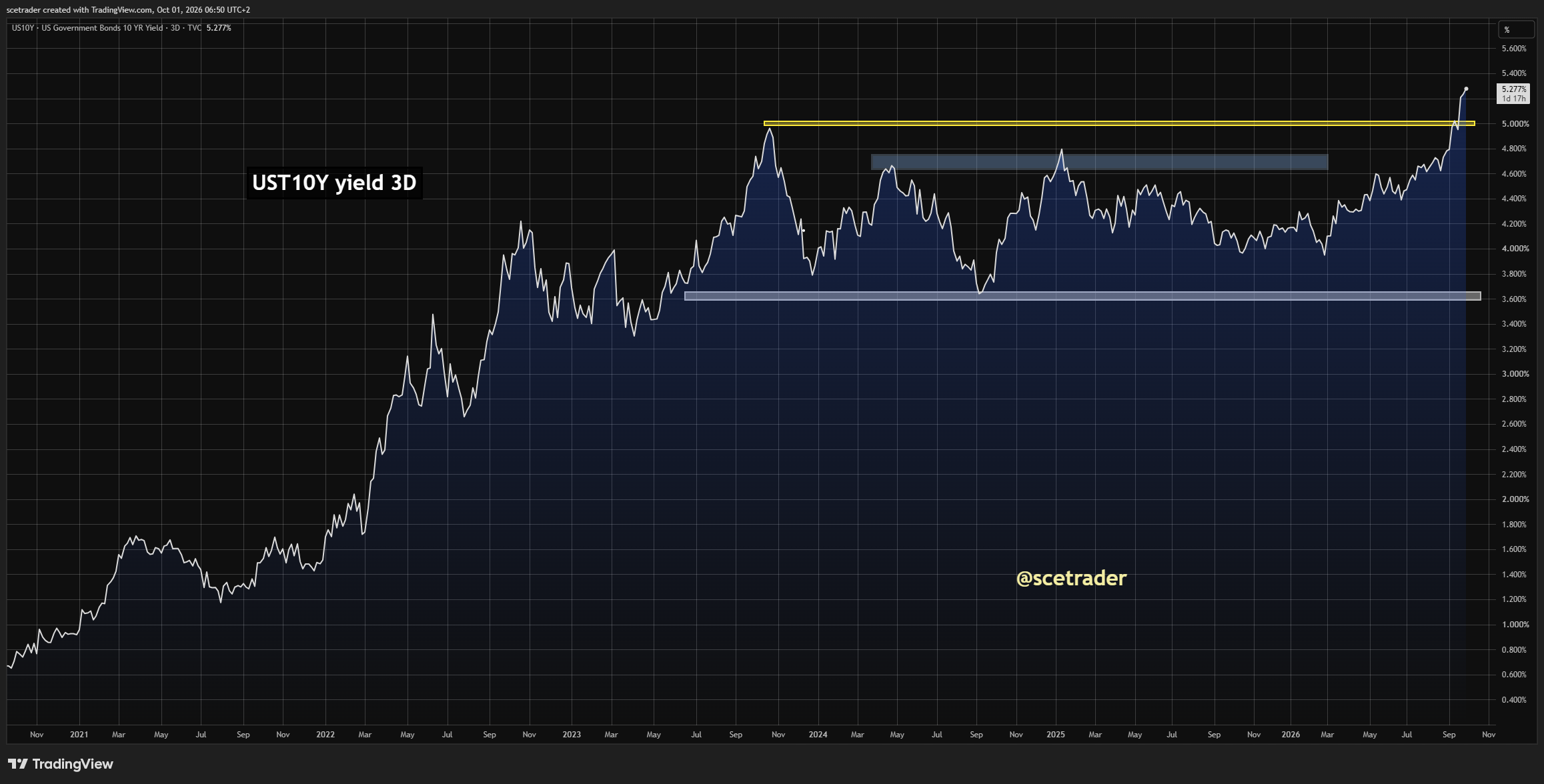
■ Rente: de Amerikaanse 10-jaarsrente staat rond 5,28% en heeft 5,30% al even aangetikt. De Duitse 10-jaarsrente staat rond 3,58% en de Japanse 10-jaarsrente rond 3,10%. Vooral de Amerikaanse beweging springt eruit. De rente is uit een brede range gebroken en de versnelling naar boven begint steeds meer op een echte shoot-out te lijken. Dat is zonder twijfel negatief voor waarderingen als deze beweging verder doorzet.
■ TLT: onze callstructuren op Amerikaanse staatsobligaties blijven nadrukkelijk tactisch. De huidige rente-uitbraak is tegenwind, maar juist wanneer de beweging te ver doorschiet kan de risk-reward voor een tijdelijke draai in obligaties snel interessanter worden. We behandelen dit daarom niet als een structurele lange obligatievisie, maar als een opportunistische positie.
■ Fed en PCE: de Amerikaanse PCE-inflatie was gisteren vriendelijker dan verwacht, maar de lange rente liep daarna toch verder op. Dat onderstreept dat de obligatiemarkt momenteel naar veel meer kijkt dan alleen naar de eerstvolgende stap van de Federal Reserve. Begrotingstekorten, grote financieringsbehoeften en enorme kapitaalvraag vanuit onder meer AI-infrastructuur spelen eveneens mee. Onder handelaren leeft tegelijkertijd de gedachte dat beleidsmakers uiteindelijk zullen proberen in te grijpen wanneer de rente te ver doorschiet. Dat blijft vooralsnog een marktverwachting en geen zekerheid.
■ Positionering: wij worden door de stijgende rente niet automatisch bearish. Het valt juist op dat aandelen deze beweging tot nu toe relatief goed absorberen. Zolang de markt niet overtuigend breekt, blijven wij bereid aantrekkelijke dips selectief te kopen. Een verdere verticale stijging van de 10-jaarsrente kan absoluut een stevige correctie veroorzaken, maar een correctie is voor ons nog steeds iets anders dan het begin van een structurele bear market.
■ Opties en volatiliteit: het verschil tussen obligaties en aandelenvolatiliteit blijft opvallend. De rentemarkt ondergaat een forse herprijzing, terwijl aandelen nog geen echte stress laten zien. Dat kan alleen blijven werken wanneer winstgroei en vooral de AI-investeringscyclus sterk genoeg blijven om de hogere kapitaalkosten te absorberen.
■ Olie en gas: olie staat vanochtend ongeveer 1,5% lager. Volgens de huidige marktinformatie ligt de oliestroom door de Straat van Hormuz inmiddels weer rond 98% van het normale niveau. Daarnaast zou Irak olie beneden de geldende marktprijs aanbieden. Wanneer die ontwikkeling doorzet, kan dat extra neerwaartse druk op olie geven. Voor Europa is olie onder $100 duidelijk gunstiger omdat zowel de directe inflatiedruk als de industriële kosten afnemen.
■ Iran en Hormuz: de diplomatie loopt door en de fysieke oliestromen lijken duidelijk beter te functioneren, maar een definitief politiek akkoord rond Hormuz ontbreekt nog. Het geopolitieke risico is daarmee niet verdwenen. Wel is de marktsituatie duidelijk minder gespannen wanneer exportstromen normaliseren en producenten bereid zijn agressiever te prijzen.
■ Rusland en Europese defensie-industrie: Rusland stelt dat Europese fabrieken die wapens voor Oekraïne produceren door Moskou als legitieme militaire doelen worden beschouwd. Dat is een duidelijke verscherping van de Russische retoriek richting de Europese defensie-industrie. Het verhoogt het geopolitieke risico rond productielocaties, zonder dat daarmee automatisch wordt gezegd dat een concrete aanval op een specifieke fabriek aanstaande is.
■ NAVO en Rusland: NAVO-secretaris-generaal Mark Rutte zegt tegelijkertijd dat er momenteel geen onmiddellijke Russische dreiging voor NAVO-grondgebied is. Volgens hem zou een eventuele voorbereiding op acties tegen Finland, Polen of de Baltische staten vooraf zichtbaar moeten worden via een duidelijke militaire opbouw. De retoriek verscherpt dus, terwijl NAVO op basis van de huidige situatie geen directe aanval op het bondgenootschap ziet.
■ Valuta: EUR/USD staat rond 1,1320 en USD/JPY rond 158,2. De hoge Amerikaanse lange rente blijft de dollar ondersteunen. Voor Europese exporteurs hoeft dat niet negatief te zijn, maar het maakt in dollars geprijsde grondstoffen en energie wel relatief duurder.
■ Goud en zilver: goud blijft rond de recente hoge niveaus bewegen, terwijl zilver relatief goed blijft liggen. De combinatie van hoge nominale rente en een sterke dollar vormt tegenwind, maar onzekerheid rond inflatie, begrotingen en geopolitiek blijft tegelijkertijd steun geven. Bij zilver blijven wij vooral opportunistisch kijken naar eventuele dips.
■ AEX: voor de AEX wordt de chipreactie opnieuw essentieel. De Europese futures geven een zwakkere eerste indicatie, maar de sterke Amerikaanse futures en de fundamentele boodschap van Micron kunnen snel steun geven. Wanneer ASML, ASM International en Besi na een lagere opening stabiliseren, neemt de kans toe dat de AEX gedurende de sessie richting groen draait.
■ ASML, ASM International en Besi: de Micron-read-through blijft sterk. Meer HBM en DRAM betekent grotere wafercapaciteit en complexere productieprocessen voor ASML en ASM International, terwijl advanced packaging steeds belangrijker wordt voor Besi. We hebben ASML gisteren uitgebreid behandeld en gaan dat vandaag niet opnieuw uitmelken. De kern is simpel: de structurele AI-capexcase wordt opnieuw bevestigd.
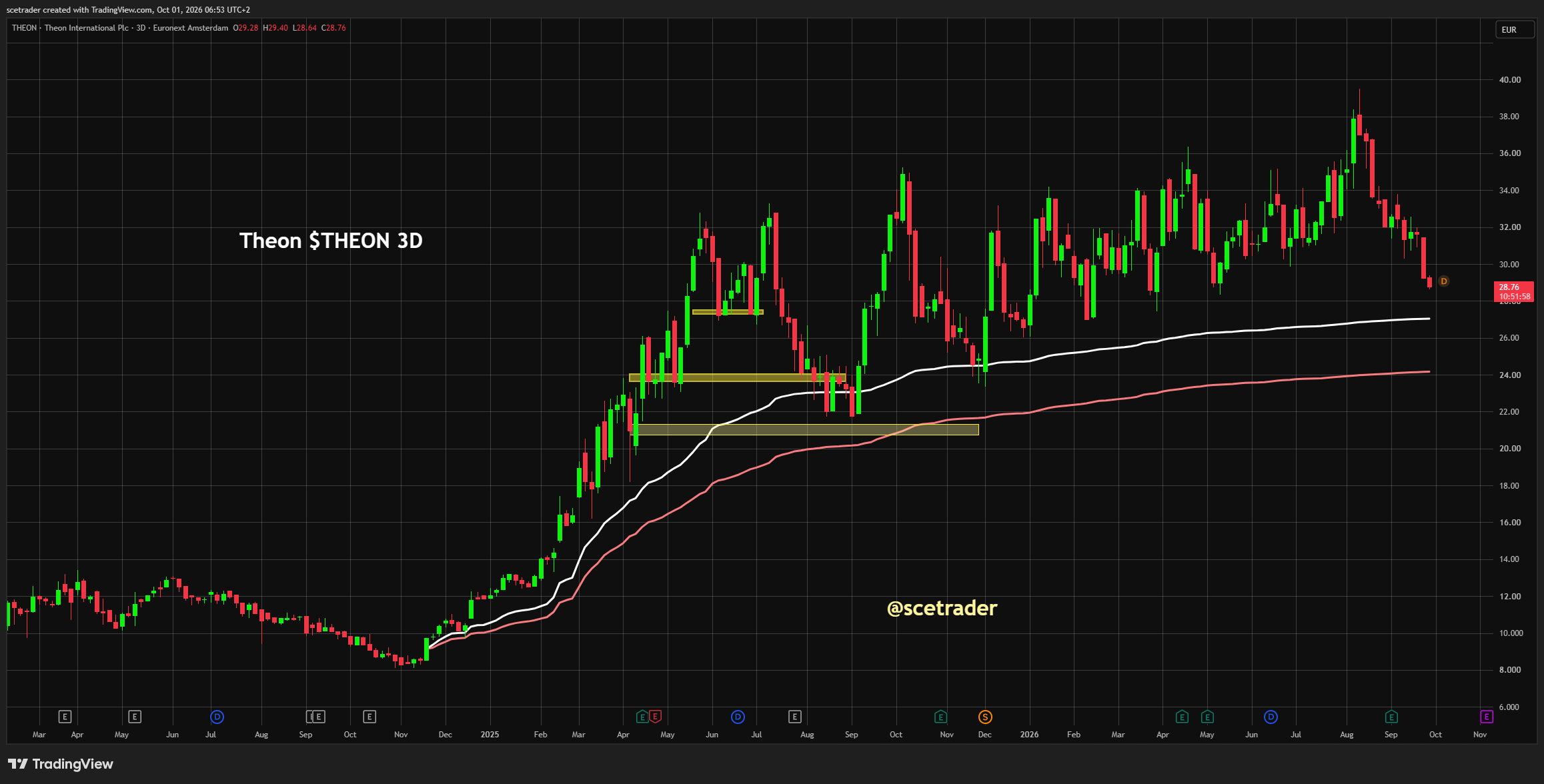
■ Theon International: Theon meldde nieuwe orders ter waarde van circa $50 miljoen. Dat is positief, maar naar onze mening te klein om het aandeel nu opnieuw structureel hoger te zetten. Het bedrijf communiceert orders zeer actief en de koers noteert nog steeds boven de VWAP-lijnen. Wij zien liever eerst een test van die niveaus en sluiten niet uit dat de consolidatie of correctie nog niet voorbij is. Voorlopig doen we niets.
■ Infineon: Infineon heeft een nieuwe faciliteit in Thailand geopend. Op zichzelf is dat geen groot koersbepalend nieuws, maar het past wel binnen onze bredere visie op mature semiconductors. Wij denken nog altijd dat juist in dat deel van de chipmarkt op langere termijn ruimte naar boven zit.
■ Oracle: rondom Oracle blijven negatieve en positieve verhalen elkaar snel afwisselen. Nieuw is dat Tencent volgens mediaberichten capaciteit bij Oracle gaat huren. Dat past bij onze gedachte dat de vraag naar OCI fundamenteel sterk blijft, ook al zijn er terechte zorgen over financiering, schuld en de enorme investeringsbehoefte. Oracle is inmiddels bijna een dubbele fallen angel geworden, maar strategisch blijft het bedrijf bijzonder belangrijk. Wij denken nog steeds dat de koers uiteindelijk weer duidelijk hoger kan.
■ Robinhood: Robinhood verloor gisteren ongeveer 3%, maar wij blijven juist positief over de strategische plannen die het bedrijf eerder deze week presenteerde. Het bedrijf loopt met nieuwe producten regelmatig één of twee stappen voor op traditionele spelers. Toch stappen we nu nog niet in. We willen eerst een betere correctie of duidelijker instapmoment zien, maar een nieuwe positie blijft nadrukkelijk op tafel.
■ Tesla: de Franse registraties van Tesla stegen in september volgens de nieuwe cijfers met 61,86%. Eén land en één maand vormen uiteraard geen volledig verkoopbeeld, maar het is wel een opvallend datapunt na alle discussie over de Europese vraag. Wij blijven Tesla volgen, maar veranderen op basis van één maand nog niets aan onze positionering.
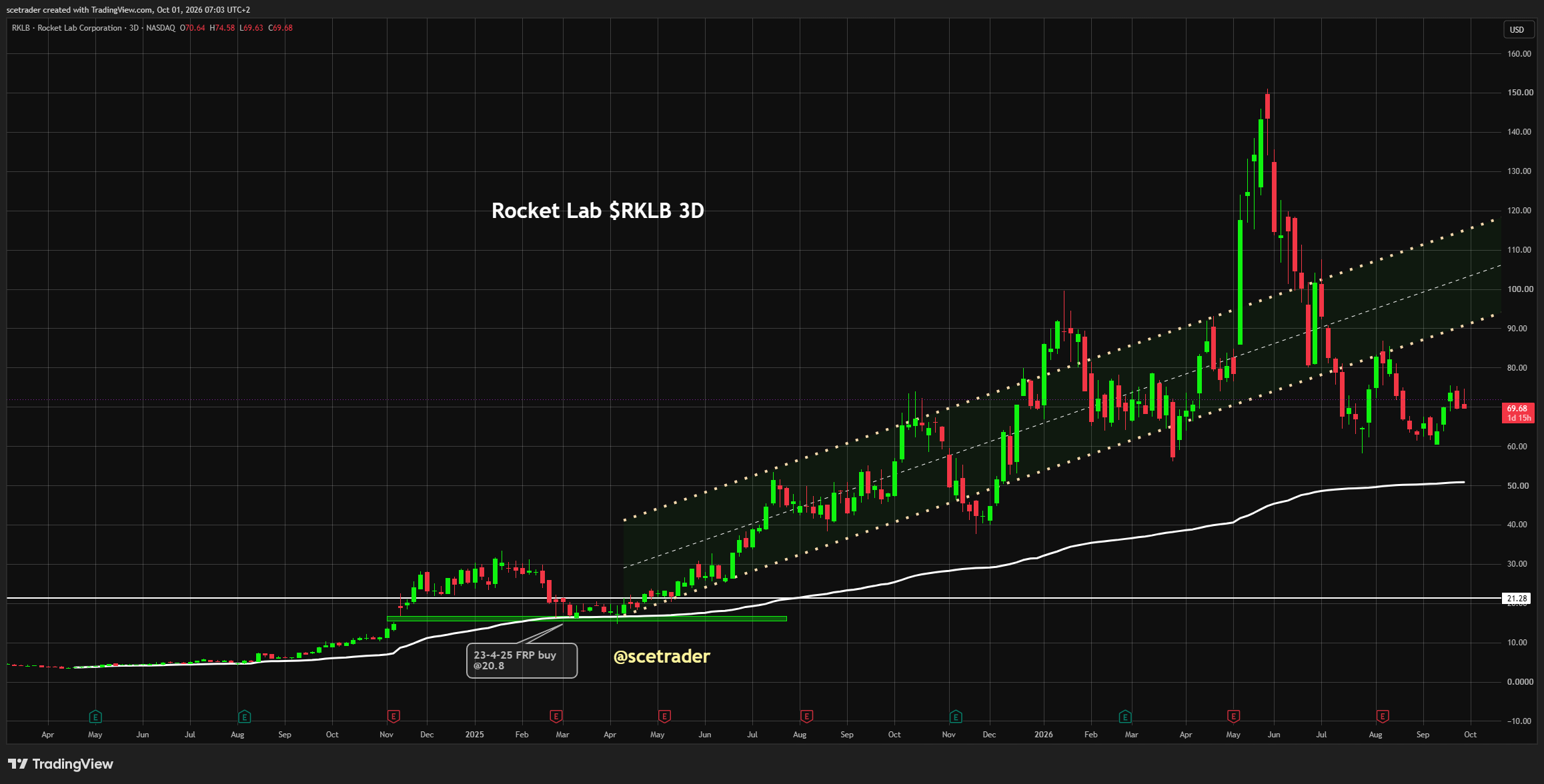
■ Rocket Lab: Rocket Lab heeft zijn grootste commerciële overeenkomst tot nu toe gesloten, een meerjarig contract voor twintig Electron-lanceringen. Dat is duidelijk positief voor de zichtbaarheid van de orderportefeuille. Wij doen er vooralsnog niets mee en willen eerst zien hoe koers en waardering reageren.
■ Verenigde Staten en Zuid-Korea: Zuid-Korea gaat volgens de aangekondigde plannen zeer grote bedragen investeren in Amerikaanse energie- en infrastructuurprojecten. Daarbij worden onder meer Alaska, nucleaire energie en nieuwe stroomcapaciteit genoemd. Voor de markt is vooral de schaal belangrijk: opnieuw gaat enorm veel kapitaal richting Amerikaanse elektriciteitsproductie en energie-infrastructuur, precies op het moment dat AI en datacenters de elektriciteitsvraag structureel verhogen.
■ CoreWeave: CoreWeave blijft zeer bullish over de vraag naar AI-compute en ziet nog altijd veel ruimte naar boven in de onderliggende markt. Dat is opnieuw positief voor de bredere AI-infrastructuurketen. Voor het aandeel zelf zijn wij voorzichtiger. Uiteindelijk sluiten wij nog steeds niet uit dat CoreWeave opnieuw duidelijk corrigeert.
■ Eli Lilly: nieuwe fase 2b-data voor EloraTZP bij volwassenen met obesitas of overgewicht en type 2-diabetes laten gewichtsverlies tot 23,3% zien. Dat versterkt opnieuw de positie van Lilly binnen obesitas en diabetes en laat zien dat de volgende generatie combinatietherapie mogelijk opnieuw duidelijk boven de huidige standaard kan uitkomen.
■ Bitcoin en crypto: Bitcoin noteert rond $84.150 en blijft opvallend sterk. De zone rond $80.000 vormde eerder weerstand, maar de koers is daar doorheen gebroken en vervolgens verder gestegen. Dat vinden wij technisch positief. Vooral gezien de forse bewegingen in obligaties is het opvallend dat crypto geen brede liquiditeitsstress laat zien.
■ Renterisico: het grote risico blijft een verdere verticale stijging van de Amerikaanse lange rente. Wanneer 5,30% niet het eindpunt blijkt en de beweging opnieuw versnelt, neemt de kans op een stevige correctie duidelijk toe. Dat zou voor ons echter nog steeds eerst een correctiescenario zijn en niet automatisch het begin van een structurele bear market.
■ Marktimplicatie: olie lager, sterke Amerikaanse futures en opnieuw sterke fundamentele AI-data geven de markt duidelijke steun. Daar staat één groot probleem tegenover: de rente. Zolang aandelen die hogere rente blijven absorberen, zien wij onvoldoende reden om structureel negatief te worden. De markt blijft stroperig, maar weigert tot nu toe echt naar beneden te breken.
■ Desk-view: wij gaan de Europese sessie in met een verdeelde opening, maar een constructievere bias voor het vervolg. Micron bevestigt dat de AI- en memorycyclus veel krachtiger is dan sceptici blijven aannemen, de Amerikaanse futures liggen sterk en lagere olie helpt Europa. Daartegenover staat de Amerikaanse 10-jaarsrente, die rond 5,28% gevaarlijk dicht bij een verdere uitbraak blijft. Zolang die rente niet opnieuw verticaal versnelt, blijven wij bereid om zwakke momenten selectief te kopen. De kernvraag voor vandaag is daarom simpel: houden chips en Amerikaanse futures stand terwijl de obligatiemarkt stabiliseert?
English
■ Europe: European futures point to a mixed to slightly weaker open. Euro Stoxx 50 futures are around 0.2% lower and FTSE futures are also in negative territory. We nevertheless view the underlying setup as less weak than the opening signal suggests. US futures are materially higher, oil is lower and Micron has again confirmed the strength of the AI-memory cycle. Our bias therefore remains that Europe can find support relatively quickly after a weak first phase and recover during the session.
■ Micron and HBM: Micron remains by far the most important corporate story today. Quarterly revenue reached $54.23 billion and the company expects roughly $61.5 billion in revenue in the current quarter. More importantly, customer financial commitments under long-term supply agreements have risen from $22 billion to $32 billion, demand exceeds available capacity and most of 2027 HBM production is already contracted. Micron nevertheless points to competition and future capacity expansion. Memory therefore remains cyclical, but we believe AI, physical AI and ultimately robotics could make that cyclicality structurally less extreme than in previous cycles. The shares did little after hours, but fundamentally that changes nothing for us. More HBM and advanced DRAM means more wafer capacity, greater manufacturing complexity and advanced packaging and remains positive for ASML, ASM International, Besi and other suppliers. The market is putting Micron under a microscope, but we have seen similar scepticism around other major AI winners before growth ultimately proved stronger than feared.
■ Wall Street: the S&P 500 came off its best levels into Wednesday's close and finished roughly 0.25% lower, while technology indices ended modestly higher. That distinction remains important. The broader market is more exposed to higher rates, while technology and software continue to hold up relatively well.
■ Market breadth: the market remains remarkably sticky. Rallies continue to be capped and the major indices struggle to extend moves, but at the same time the market is still refusing to break convincingly lower. Individual stocks, by contrast, are showing very large one-day moves. The index therefore looks quiet while major winners and losers emerge beneath the surface.
■ US futures: the picture has strengthened considerably. S&P 500 futures are around 0.5% higher and Nasdaq 100 futures roughly 0.85% higher. That is a fairly strong signal compared with weaker European futures and supports our view that Europe may find support after the open. Technically, we also see strong initial support around the levels of the Asian-session open. As long as that area holds, there remains room to the upside.
■ Rates: the US 10-year yield is around 5.28% and has already briefly touched 5.30%. Germany's 10-year yield is around 3.58% and Japan's 10-year around 3.10%. The US move stands out most. Yields have broken out of a broad range and the acceleration higher is increasingly looking like a genuine shoot-out. That is unquestionably negative for valuations if the move continues.
■ TLT: our call structures on US government bonds remain explicitly tactical. The current yield breakout is a headwind, but precisely if the move overshoots, the risk-reward for a temporary reversal in bonds could quickly improve. We therefore view this as an opportunistic position rather than a structural long-duration call.
■ Fed and PCE: US PCE inflation was friendlier than expected yesterday, yet long-term yields continued to rise. That underlines that the bond market is looking at much more than only the Federal Reserve's next decision. Fiscal deficits, heavy financing requirements and enormous capital demand from AI infrastructure are also playing a role. At the same time, some traders believe policymakers would eventually try to slow the move if yields rise too far. That remains a market expectation rather than a certainty.
■ Positioning: higher yields do not automatically make us bearish. What stands out is how well equities have absorbed the move so far. As long as the market does not break convincingly lower, we remain prepared to buy attractive dips selectively. A further vertical rise in the 10-year yield could absolutely trigger a sizeable correction, but for us a correction remains different from the start of a structural bear market.
■ Options and volatility: the contrast between bonds and equity volatility remains striking. Rates are undergoing a substantial repricing while equities are still not showing genuine stress. That can continue only if earnings growth and especially the AI investment cycle remain strong enough to absorb higher capital costs.
■ Oil and gas: oil is around 1.5% lower this morning. Current market information suggests that oil flows through the Strait of Hormuz have recovered to roughly 98% of normal levels. Iraq is also said to be offering oil below prevailing market prices. If that continues, it could create additional downward pressure on oil. For Europe, oil below $100 is clearly more favourable because it reduces both direct inflation pressure and industrial costs.
■ Iran and Hormuz: diplomacy continues and physical oil flows appear to be functioning materially better, but there is still no definitive political agreement around Hormuz. Geopolitical risk has therefore not disappeared. The market backdrop is nevertheless clearly less tense when export flows normalise and producers price more aggressively.
■ Russia and European defence industry: Russia says European factories producing weapons for Ukraine are considered legitimate military targets by Moscow. That represents a clear hardening of Russian rhetoric toward Europe's defence industry. It raises geopolitical risk around production facilities without automatically implying that an attack on any specific factory is imminent.
■ NATO and Russia: NATO Secretary General Mark Rutte says at the same time that there is currently no imminent Russian threat to NATO territory. According to Rutte, preparations for potential action against Finland, Poland or the Baltic states would likely be preceded by a visible military build-up. Rhetoric is therefore hardening, while NATO does not currently see an immediate attack on the alliance.
■ FX: EUR/USD is around 1.1320 and USD/JPY around 158.2. High US long-term yields continue to support the dollar. That is not necessarily negative for European exporters, but it makes dollar-priced commodities and energy relatively more expensive.
■ Gold and silver: gold remains close to its recent elevated levels, while silver continues to hold up relatively well. High nominal yields and a strong dollar are headwinds, but uncertainty around inflation, fiscal policy and geopolitics continues to provide support. In silver, we remain focused mainly on opportunistic dips.
■ AEX: for the AEX, the semiconductor response will again be crucial. European futures point to a weaker initial move, but strong US futures and Micron's fundamental message could quickly provide support. If ASML, ASM International and Besi stabilise after a lower open, the probability that the AEX turns positive during the session increases.
■ ASML, ASM International and Besi: the Micron read-through remains strong. More HBM and DRAM requires greater wafer capacity and more complex manufacturing processes for ASML and ASM International, while advanced packaging becomes increasingly important for Besi. We covered ASML extensively yesterday and will not overdo it again today. The core point is simple: the structural AI-capex case is being confirmed again.
■ Theon International: Theon reported roughly $50 million of new orders. That is positive, but in our view too small to drive the shares structurally higher from here. The company communicates orders very actively and the share price remains above its VWAP lines. We would rather first see those levels tested and do not rule out that the consolidation or correction is not yet complete. For now, we do nothing.
■ Infineon: Infineon has opened a new facility in Thailand. On its own this is not major share-price-moving news, but it fits our broader view on mature semiconductors. We still believe that this part of the chip market has room to the upside over the longer term.
■ Oracle: negative and positive narratives around Oracle continue to alternate rapidly. The latest development is that Tencent is reportedly set to lease capacity from Oracle. That fits our view that underlying OCI demand remains strong, even though concerns around financing, debt and the enormous investment requirement are legitimate. Oracle has become almost a double fallen angel, but strategically the company remains extremely important. We still believe the shares can ultimately recover materially.
■ Robinhood: Robinhood fell roughly 3% yesterday, but we remain positive on the strategic plans presented earlier this week. The company often appears one or two steps ahead of traditional players in new products. We are nevertheless not buying yet. We want a better correction or a clearer entry point first, but a new position remains very much on the table.
■ Tesla: Tesla's French registrations rose 61.86% in September according to the latest figures. One country and one month obviously do not provide a complete sales picture, but it is a notable datapoint after all the debate around European demand. We continue to monitor Tesla, but we are not changing our positioning based on one month alone.
■ Rocket Lab: Rocket Lab has signed its largest commercial agreement to date, a multi-year contract covering twenty Electron launches. That is clearly positive for backlog visibility. We are doing nothing with the stock for now and first want to see how the share price and valuation react.
■ United States and South Korea: South Korea is set to invest very large amounts in US energy and infrastructure projects under the announced plans. Alaska, nuclear power and new generation capacity are among the areas being discussed. For markets, the scale matters most: enormous amounts of capital are again being directed toward US power generation and energy infrastructure just as AI and datacentres structurally increase electricity demand.
■ CoreWeave: CoreWeave remains very bullish on demand for AI compute and continues to see substantial upside in the underlying market. That is again positive for the broader AI-infrastructure chain. We are more cautious on the shares themselves and still do not rule out another meaningful correction in CoreWeave.
■ Eli Lilly: new Phase 2b data for EloraTZP in adults with obesity or overweight and type 2 diabetes show weight loss of up to 23.3%. This further strengthens Lilly's position in obesity and diabetes and suggests that the next generation of combination therapies may again materially outperform today's standard.
■ Bitcoin and crypto: Bitcoin is around $84,150 and remains notably strong. The $80,000 area had previously acted as resistance, but the price has broken through and continued higher. We view that as technically positive. Given the large moves in bonds, it is also notable that crypto is not showing broad liquidity stress.
■ Rate risk: the main risk remains a further vertical rise in US long-term yields. If 5.30% is not the endpoint and the move accelerates again, the probability of a sizeable equity correction clearly increases. For us, however, that would still initially be a correction scenario rather than automatically the beginning of a structural bear market.
■ Market implication: lower oil, strong US futures and another powerful set of fundamental AI signals are giving markets meaningful support. Against that stands one major problem: rates. As long as equities continue to absorb higher yields, we see insufficient reason to become structurally negative. Markets remain sticky, but they continue to refuse to break convincingly lower.
■ Desk-view: we enter the European session with a mixed opening but a more constructive bias for the rest of the day. Micron confirms that the AI and memory cycle remains much stronger than sceptics continue to assume, US futures are firm and lower oil helps Europe. Against that stands the US 10-year yield, which around 5.28% remains dangerously close to another breakout. As long as yields do not accelerate vertically again, we remain prepared to buy weak moments selectively. The key question for today is therefore simple: can semiconductors and US futures hold up while the bond market stabilises?
Op onze website meer, inclusief een database met duizenden artikelen.
© 2026 SCEtrader.nl - Alle rechten voorbehouden
Disclaimer Aan de door ons opgestelde informatie kan op geen enkele wijze rechten worden ontleend. Alle door ons verstrekte informatie en analyses zijn geheel vrijblijvend. Alle consequenties van het op welke wijze dan ook toepassen van de informatie blijven volledig voor uw eigen rekening.
Wij aanvaarden geen aansprakelijkheid voor de mogelijke gevolgen of schade die zouden kunnen voortvloeien uit het gebruik van de door ons gepubliceerde informatie. U bent zelf eindverantwoordelijk voor de beslissingen die u neemt met betrekking tot uw beleggingen.

