Indices Europa na Wall Street: Futures herstellen, nu kijken of kopers echt terugkomen
Richting Europa vanuit de VS: positief, maar Europese futures bevestigen die beweging nog niet
Wall Street geeft Europa maandagochtend een veel beter signaal dan de slotstanden van vrijdag doen vermoeden. Nasdaq 100-futures staan bijna 3% hoger en S&P 500-futures ongeveer 2%. Europese futures staan daarentegen rond vlak. Dat verschil is belangrijk. De Amerikaanse markt probeert een deel van de uitzonderlijk zware daling van vorige week terug te nemen, maar die beweging is nog niet zichtbaar in een vergelijkbare Europese openingsindicatie.
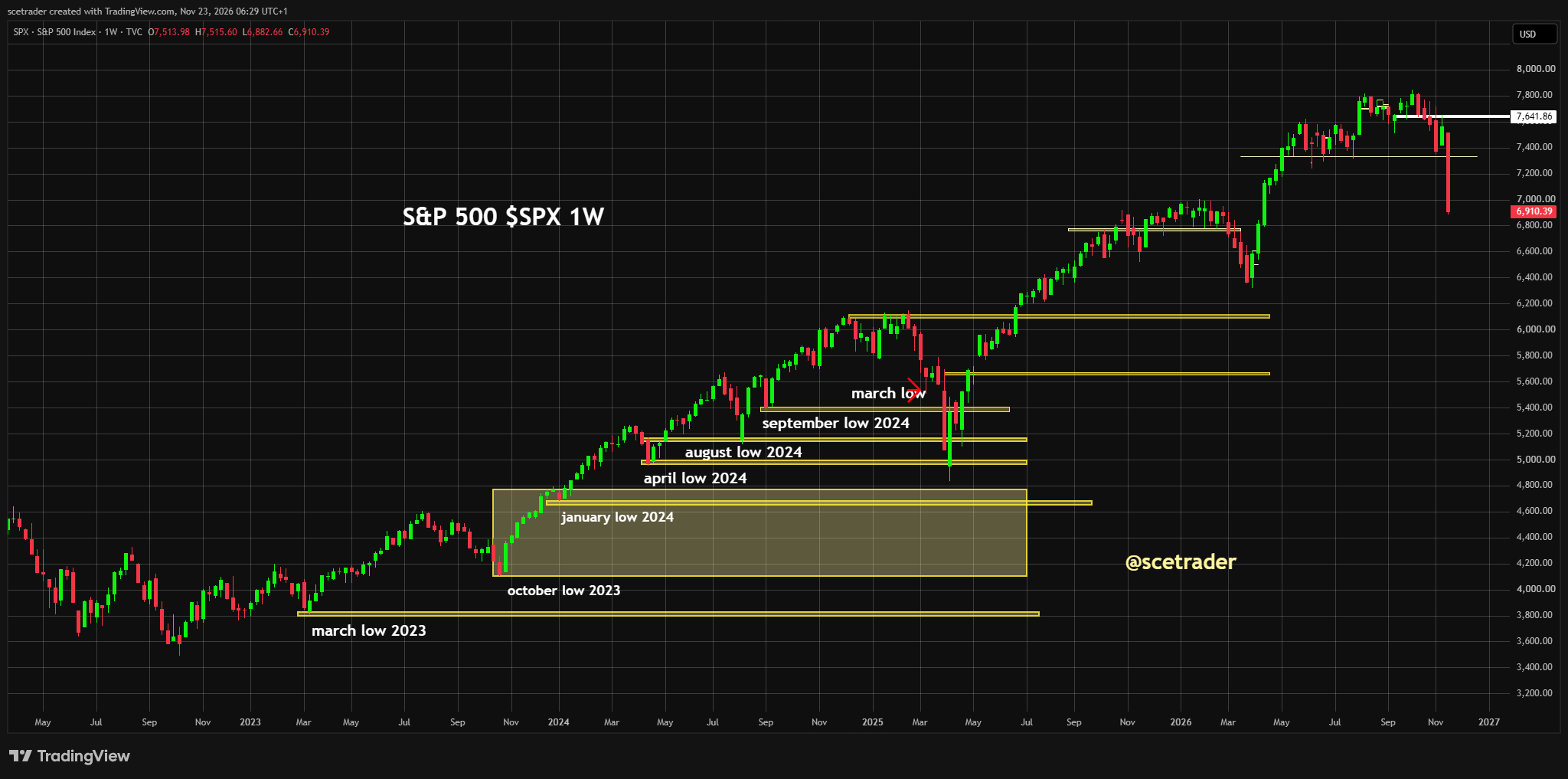
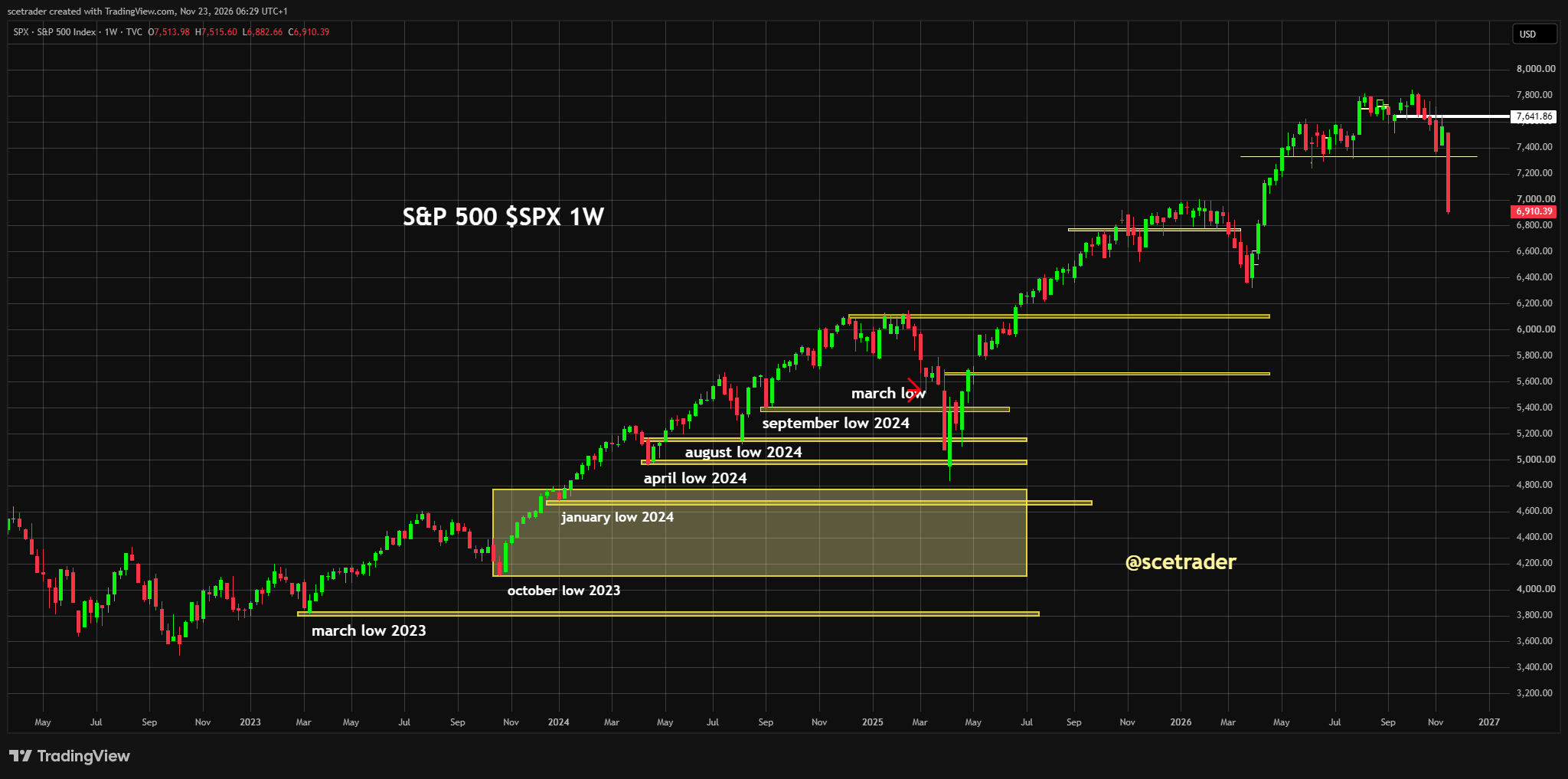
De uitgangspositie blijft zwaar. De S&P 500 verloor vrijdag 3,7%, de Nasdaq 5,3% en de Amerikaanse halfgeleiderindex 10,7%. In Azië blijft de schade zichtbaar. De KOSPI verloor maandag ongeveer 5%, terwijl Taiwan na de forse verliezen van vorige week ongeveer 2% herstelt. Zuid-Korea bereidt stabilisatiemaatregelen voor, Taiwan heeft de regels voor short selling aangescherpt en China maakt marginfinanciering eenvoudiger. De markt krijgt dus tegelijk een stevige Amerikaanse herstelpoging en directe beleidssteun in delen van Azië.
Sector richting Europa
■ Sector richting Europa: gemengd. De Amerikaanse futures staan fors hoger, maar vlakke Europese futures en aanhoudende zwakte in delen van Azië geven nog geen brede positieve Europese richting.
■ AI: negatief. De markt blijft de financiering van data centers, klantgaranties en het rendement op de uitzonderlijk hoge investeringen opnieuw waarderen.
■ AI-accelerators: sterk negatief. De scherpe daling van Amerikaanse GPU-aandelen is aangevuld met een SEC-onderzoek naar mogelijke boekhoudkwesties bij de grootste leverancier.
■ Halfgeleiders: sterk negatief. De Amerikaanse chipindex verloor vrijdag 10,7% en Zuid-Korea blijft maandagochtend zwaar onder druk, waardoor de chip keten nog geen overtuigende stabilisatie laat zien.
■ HBM en geheugen: negatief. De verkoop heeft zich uitgebreid naar geheugenproducenten, waardoor ook het deel van de AI-keten met zeer sterke vraag niet meer buiten de herwaardering blijft.
■ Chipapparatuur: negatief. Een lagere waardering voor toekomstige chipproductie en strengere exportregels raken direct de verwachtingen voor nieuwe fabrieksinvesteringen.
■ Advanced packaging en test: negatief. De verkoop loopt inmiddels door meerdere delen van de halfgeleiderketen en blijft niet beperkt tot GPU's of foundries.
■ Networking en optisch: negatief. De scherpe correctie bij netwerkchips en infrastructuurleveranciers laat zien dat ook de verbindingen binnen AI-clusters opnieuw worden geprijsd.
■ Cloud en neoclouds: sterk negatief. Schuld, leaseverplichtingen en de snelheid waarmee nieuwe capaciteit inkomsten moet opleveren staan centraal in de herwaardering.
■ Data-center infrastructuur: negatief. De twijfel over het rendement op nieuwe rekenkracht bereikt ook stroomvoorziening, koeling en andere kapitaalintensieve onderdelen van de bouwketen.
■ Software: negatief. Lagere omzetverwachtingen bij grote Amerikaanse softwarebedrijven vergroten de druk op ondernemingen waarvan de waardering nog sterk op toekomstige groei rust.
■ Industrie: negatief. De verkoop van vrijdag bereikte ook kapitaalgoederen en bedrijven die profiteren van grote infrastructuurinvesteringen.
■ Defensie: relatief sterk. De sector heeft geen vergelijkbare fundamentele breuk als technologie en de Europese ordercyclus wordt vooral door overheidsbudgetten bepaald.
■ Auto: negatief. Zwakke cyclische aandelen en lagere verwachtingen voor industriële groei geven de Europese auto keten weinig steun vanuit de VS.
■ Banken: gemengd. Lagere staatsrentes verminderen een deel van de financieringsdruk, maar zwakkere groei en hogere kredietrisico's werken in de andere richting.
■ Consument cyclisch: negatief. De Amerikaanse verkoop is duidelijk buiten technologie gekomen en heeft ook bedrijven geraakt die afhankelijk zijn van hoge vrije bestedingen.
■ Consument defensief: positief relatief. Dit was vrijdag de enige grote Amerikaanse sector die hoger sloot en blijft daarmee de duidelijkste relatieve winnaar.
■ Gezondheidszorg: relatief sterk. De sector heeft weinig directe blootstelling aan de financiering van AI en hield zich beter dan technologie en cyclische groei.
■ Energie: relatief sterk. Brent blijft boven $92 doordat aanvallen op scheepvaart en energie-infrastructuur in de Golf een risico premie in de olieprijs houden.
■ Materialen en mijnbouw: negatief. De daling van industriële grondstoffen past bij toenemende twijfel over het tempo van nieuwe investeringen en wereldwijde industriële groei.
■ Nutsbedrijven: relatief sterk. De combinatie van lagere lange rente en beperkte directe blootstelling aan de technologieschok geeft de sector een betere uitgangspositie.
■ Vastgoed: gemengd. Dalende obligatierentes zijn gunstig voor financiering, maar de algemene afbouw van risico voorkomt een duidelijke positieve richting.
Waan van de dag
De opmerkelijkste ontwikkeling maandagochtend is de kloof tussen de Amerikaanse futures en de rest van de wereld. Nasdaq 100-futures stijgen bijna 3%, terwijl Europese futures nauwelijks bewegen en Zuid-Korea opnieuw zwaar daalt. De markt geeft daarmee geen uniforme boodschap.
Tegelijk grijpen verschillende Aziatische autoriteiten in. Zuid-Korea heeft aangegeven de markt te willen stabiliseren wanneer dat nodig is, Taiwan beperkt short selling verder en Chinese beurzen versoepelen de voorwaarden voor marginfinanciering. Dat zijn concrete maatregelen na uitzonderlijk grote verliezen.
Voor Europa wordt daarom vooral belangrijk of de sterke Amerikaanse futures uiteindelijk ook kooporders in Europese technologie opleveren. Wanneer Europese chips vlak of lager openen terwijl Nasdaq-futures bijna 3% hoger staan, zou dat juist wijzen op aanhoudend aanbod in de Europese chip keten.
AI
De waardering van AI verschuift van omzetgroei naar financiering en rendement. De markt weet dat de vraag naar rekenkracht groot is. De discussie gaat nu over de vraag hoeveel kapitaal nodig is om die vraag te bedienen en hoeveel vrije kasstroom daar uiteindelijk tegenover staat.
Dat verschil was vrijdag duidelijk zichtbaar. Sterke kwartaalcijfers van NVIDIA waren onvoldoende om het aandeel overeind te houden. Het aandeel verloor 13,8%. Na het slot kwam daar verdere informatie bij over het onderzoek van de SEC. Toezichthouders kijken naar mogelijke boekhoudkwesties. Er is geen overtreding vastgesteld en het onderzoek kan zonder handhaving eindigen.
De aandacht gaat onder meer uit naar de geografische rapportage van omzet en naar ingewikkelde financieringsconstructies binnen de AI-keten. Juist die laatste categorie raakt het bredere beleggingsverhaal. Chipproducenten, cloudbedrijven en andere partijen hebben kapitaal, garanties en contracten gebruikt om de bouw van nieuwe AI-capaciteit mogelijk te maken.
Er kwam na het slot ook een concreet tegengeluid. Oracle meldde dat zijn infrastructuurcontract met OpenAI volledig is gefinancierd na een laatste kapitaalronde. Het aandeel steeg daarop in de handel na beurs. Dat laat zien dat de markt onderscheid begint te maken tussen projecten waarvan de financiering vastligt en plannen waarbij dat nog niet duidelijk is.
Anthropic bevestigt hetzelfde beeld vanaf een andere kant. De beursgang haalde een recordbedrag op, maar het aandeel verloor vrijdag 9,1% op de tweede handelsdag. Sterke vraag bij de emissie heeft dus niet voorkomen dat beleggers vrijwel direct opnieuw naar de waardering keken.
Software
Software krijgt niet dezelfde klap als halfgeleiders, maar de eisen worden hoger. Intuit verloor vrijdag 12,8% nadat het de verwachting voor de jaarlijkse omzetgroei verlaagde en Mailchimp voor ongeveer $3,7 miljard verkocht. Het betaalde vijf jaar geleden bijna drie keer zoveel voor die onderneming.
Dat is voor de sector relevanter dan het afzonderlijke aandeel. Groei die via dure overnames is gekocht, krijgt minder ruimte wanneer organische groei vertraagt. De markt kijkt scherper naar kasstroom, marges en de werkelijke opbrengst van eerder geïnvesteerd kapitaal.
Voor Europese software betekent dit dat hoge waarderingen moeilijker te verdedigen zijn wanneer omzetgroei vertraagt. Bedrijven met terugkerende omzet en beperkte financieringsbehoefte beginnen vanuit een sterkere positie dan ondernemingen die veel moeten investeren om hun AI-aanbod op te bouwen.
Industrie en defensie
De daling van vrijdag bereikte ook de fysieke bouwkant van AI. Caterpillar stond onder druk vanwege zorgen over de vraag naar apparatuur voor stroomopwekking rond AI-projecten. Dat is relevant voor Europa, omdat een groot deel van de Europese industrie juist sterk heeft geprofiteerd van investeringen in elektriciteitsnetten, transformatoren, koeling en automatisering.
De markt kijkt daardoor kritischer naar de kwaliteit van de orderportefeuille. Reeds getekende projecten met financiering hebben een ander risicoprofiel dan aangekondigde data centers waarvoor de definitieve financiering nog niet rond is.
Defensie zit daar fundamenteel losser van. Europese militaire investeringen worden vooral gedragen door overheidsbegrotingen en langlopende programma's. De sector kan tijdens een brede beursdaling uiteraard mee omlaag, maar de ontwikkelingen rond AI veranderen de vraag naar luchtverdediging, munitie, sensoren en militaire elektronica niet.
Financials
De Amerikaanse tienjaarsrente daalde vrijdag ongeveer 10 basispunten naar 4,95%, terwijl aandelen hard wegzakten. Voor banken is zo'n rentedaling niet automatisch positief. Een lagere lange rente kan de financieringsdruk verminderen, maar drukt ook de marge op nieuwe leningen.
Daar komt een tweede vraag bij. Veel AI-infrastructuur wordt niet uitsluitend uit bestaande kasstromen betaald. Projectfinanciering, private credit, leases en garanties spelen een belangrijke rol. Wanneer kredietverstrekkers hogere rendementen eisen, stijgen de kosten van nieuwe projecten.
Europese banken staan niet centraal in de financiering van de Amerikaanse neoclouds, maar een hogere prijs voor risicokapitaal kan breder doorwerken. De ontwikkeling van kredietspreads is daarom belangrijker dan alleen de beweging van staatsrentes.
Energie
Brent noteert maandagochtend rond $92,7 per vat en WTI rond $83,6. Beide prijzen bewegen nauwelijks, ondanks nieuwe aanvallen op scheepvaart en energie-infrastructuur in de Golf.
De olieprijs wordt daarmee door twee tegengestelde krachten bepaald. Aan de ene kant houden militaire incidenten rond de Golf en de Straat van Hormuz een risico premie in de markt. Aan de andere kant voorkomt voldoende verwacht aanbod dat Brent opnieuw sterk oploopt.
Voor Europese oliebedrijven is dat gunstiger dan de ontwikkeling in technologie. Een Brentprijs boven $90 ondersteunt kasstromen, terwijl de sector vrijdag veel minder hard werd geraakt dan halfgeleiders. Voor energie-intensieve industrie blijft hetzelfde prijsniveau juist een kostenpost.
Luchtvaart
Luchtvaart krijgt geen hulp van de olieprijs. Brent boven $90 houdt brandstof duur, terwijl een zwakkere aandelenmarkt ook de verwachtingen voor zakelijke reizen en vrije bestedingen kan drukken.
Daar staat tegenover dat olie maandagochtend niet verder stijgt. De situatie verslechtert dus niet opnieuw vanuit energie. De sector blijft daardoor vooral afhankelijk van het bredere cyclische beeld en van de vraag of de correctie in aandelen ook de verwachtingen voor reizen en consumentenvraag gaat raken.
Rente
De obligatiemarkt reageerde vrijdag anders dan aandelen. Amerikaanse staatsobligaties werden gekocht en de tienjaarsrente daalde naar ongeveer 4,95%. Technologie profiteerde daar niet van. Dat maakt duidelijk dat de correctie niet uitsluitend door hogere rente werd veroorzaakt.
De Federal Reserve blijft wel een belangrijk onderdeel van de waardering. Een renteverhoging van 25 basispunten in december wordt vrijwel volledig ingeprijsd. Bestuurders blijven benadrukken dat de rente mogelijk verder omhoog moet om de inflatie voldoende terug te brengen.
De daling van de lange rente naast hogere verwachtingen voor de beleidsrente maakt de rentecurve lastiger voor cyclische aandelen. De markt prijst een strengere centrale bank terwijl tegelijkertijd meer geld naar veilige staatsobligaties stroomt.
Europese winst cyclus
Europa heeft minder technologie in de grote indices dan de VS, maar dat maakt de regio niet los van de Amerikaanse correctie. De eerste overdracht loopt via halfgeleiders en AI-infrastructuur. De tweede loopt via industrie en kapitaalgoederen wanneer nieuwe data-centerprojecten worden uitgesteld of duurder worden gefinancierd.
De derde loopt via de consument. De Amerikaanse verkoop is inmiddels buiten technologie gekomen en raakt ook discretionaire bestedingen. Dat is relevant voor Europese luxe, auto's en andere internationale consumentenbedrijven.
Europa heeft tegelijkertijd sectoren die nauwelijks afhankelijk zijn van de AI-investeringscyclus. Defensie, consument defensief, energie, telecom en nutsbedrijven kunnen daardoor beter blijven liggen wanneer de herwaardering in technologie doorgaat.
De Amerikaanse futures geven maandag een eerste kans om te zien waar de koopbereidheid terugkomt. Een sterke stijging in Nasdaq-futures die niet wordt gevolgd door Europese halfgeleiders zou een duidelijke waarschuwing zijn. Een breed Europees herstel waarin ook industrie en cyclische aandelen meedoen, zou aanzienlijk meer zeggen.
Desk-view
De Amerikaanse futures geven een positief signaal, maar de Europese futures staan rond vlak. Wij zetten Europa daarom niet simpelweg op hoger. Het belangrijkste signaal komt maandag van de reactie van Europese halfgeleiders en andere groeisectoren op de bijna 3% hogere Nasdaq 100-futures.
Wanneer chips en industrie daadwerkelijk mee omhoog gaan en die winst gedurende de ochtend behouden, verbetert het beeld. Wanneer Europa vlak blijft terwijl de Amerikaanse futures sterk stijgen, of wanneer technologie na een hogere start opnieuw wordt verkocht, blijft de schade van vorige week bepalend.
🔵 English version
Direction for Europe from the US: positive, but European futures do not yet confirm the move
US futures rebound sharply, Europe still has to show whether buyers return
Wall Street is giving Europe a much stronger signal on Monday morning than Friday's closing levels would suggest. Nasdaq 100 futures are almost 3% higher and S&P 500 futures are up around 2%. European futures, however, are roughly flat. That difference matters. The US market is attempting to recover part of last week's exceptional decline, but the move has not yet translated into a comparable European opening indication.
The starting point remains difficult. The S&P 500 fell 3.7% on Friday, the Nasdaq 5.3% and the US semiconductor index 10.7%. Damage is still visible in Asia. The KOSPI is down around 5% on Monday, while Taiwan is recovering about 2% after last week's heavy losses. South Korea is preparing stabilisation measures, Taiwan has tightened short-selling rules and China is easing margin-financing requirements. Markets are therefore seeing both a strong US futures rebound and direct policy support in parts of Asia.
Sector direction Europe
■ Sector direction Europe: mixed. US futures are sharply higher, but flat European futures and continued weakness in parts of Asia do not yet provide a broad positive European signal.
■ AI: negative. Markets continue to reassess data-centre financing, customer guarantees and the returns on exceptionally high investment.
■ AI accelerators: strongly negative. The sharp decline in US GPU stocks has been compounded by an SEC investigation into potential accounting issues at the largest supplier.
■ Semiconductors: strongly negative. The US semiconductor index lost 10.7% on Friday and South Korea remains under heavy pressure on Monday morning, so the chip chain has not yet shown convincing stabilisation.
■ HBM and memory: negative. Selling has spread into memory producers, meaning even the part of the AI chain with exceptionally strong demand is no longer insulated from the repricing.
■ Semiconductor equipment: negative. Lower valuations for future chip production and tighter export rules directly affect expectations for new fab investment.
■ Advanced packaging and test: negative. Selling is now running through several parts of the semiconductor chain rather than remaining confined to GPUs or foundries.
■ Networking and optical: negative. The sharp correction in networking chips and infrastructure suppliers shows that connectivity inside AI clusters is also being repriced.
■ Cloud and neoclouds: strongly negative. Debt, lease obligations and the speed at which new capacity must generate revenue are central to the repricing.
■ Data-centre infrastructure: negative. Doubts about returns on new computing capacity are reaching power supply, cooling and other capital-intensive parts of the buildout.
■ Software: negative. Lower revenue expectations at major US software businesses increase pressure on companies whose valuations still depend heavily on future growth.
■ Industrials: negative. Friday's selling reached capital-goods companies and businesses benefiting from large infrastructure investments.
■ Defence: relatively strong. The sector has not suffered the same fundamental break as technology and Europe's order cycle is primarily driven by government budgets.
■ Autos: negative. Weak cyclical stocks and lower industrial-growth expectations provide little support for the European auto chain from the US.
■ Banks: mixed. Lower government-bond yields reduce part of the financing pressure, but weaker growth and higher credit risk work in the opposite direction.
■ Consumer discretionary: negative. US selling has clearly moved beyond technology and reached companies dependent on high discretionary spending.
■ Consumer staples: relatively positive. This was the only major US sector to finish higher on Friday and remains the clearest relative winner.
■ Healthcare: relatively strong. The sector has little direct exposure to AI financing and held up better than technology and cyclical growth.
■ Energy: relatively strong. Brent remains above $92 as attacks on shipping and energy infrastructure in the Gulf preserve a risk premium in crude.
■ Materials and mining: negative. Declining industrial commodities fit with growing doubts about the pace of new investment and global industrial growth.
■ Utilities: relatively strong. Lower long-term yields and limited direct exposure to the technology shock provide a better starting point.
■ Real estate: mixed. Lower bond yields help financing, but broad risk reduction prevents a clear positive direction.
The obsession of the day
The most striking development on Monday morning is the gap between US futures and the rest of the world. Nasdaq 100 futures are almost 3% higher, while European futures barely move and South Korea is again falling sharply. Markets are therefore not sending one uniform signal.
Several Asian authorities are intervening at the same time. South Korea has said it is prepared to stabilise the market if necessary, Taiwan is further restricting short selling and Chinese exchanges are easing margin-financing requirements. These are concrete responses to exceptional losses.
For Europe, the key question is therefore whether strong US futures ultimately create actual buying in European technology. If European semiconductors open flat or lower while Nasdaq futures are nearly 3% higher, that would point to persistent supply in the European chip chain.
AI
AI valuation is moving from revenue growth toward financing and returns. The market already knows that demand for computing power is high. The debate is now about how much capital is required to serve that demand and how much free cash flow will ultimately be generated.
That difference was clear on Friday. Strong quarterly numbers from NVIDIA were not enough to support the stock, which fell 13.8%. Additional information about the SEC investigation emerged after the close. Regulators are examining potential accounting issues. No wrongdoing has been established and the investigation may conclude without enforcement action.
Attention includes geographic revenue reporting and complex financing arrangements across the AI chain. The latter is particularly relevant for the broader investment case. Chipmakers, cloud companies and other parties have used capital, guarantees and contracts to help fund new AI capacity.
There was also a concrete counterpoint after the close. Oracle said its infrastructure contract with OpenAI was fully funded following a final capital raise. Its shares rose in after-hours trading. The market is therefore beginning to distinguish between projects with secured financing and plans where the funding remains less clear.
Anthropic points to the same issue from another direction. Its IPO raised a record amount, but the shares fell 9.1% on their second trading day. Strong demand for the offering therefore did not prevent investors from immediately reassessing the valuation.
Software
Software did not suffer the same blow as semiconductors, but expectations are becoming more demanding. Intuit fell 12.8% on Friday after cutting its annual revenue-growth forecast and agreeing to sell Mailchimp for around $3.7 billion. It had paid almost three times as much for the business five years earlier.
That is more relevant for the sector than the individual stock. Growth purchased through expensive acquisitions receives less tolerance when organic growth slows. Markets are focusing more closely on cash flow, margins and the actual returns on previously invested capital.
For European software, high valuations become harder to defend when revenue growth slows. Companies with recurring revenue and limited financing requirements begin from a stronger position than businesses that need significant investment to build their AI offering.
Industrials and defence
Friday's decline also reached the physical buildout around AI. Caterpillar came under pressure on concerns about demand for equipment used in power generation for AI projects. That matters for Europe because much of the region's industrial sector has benefited from investment in power grids, transformers, cooling and automation.
Markets are therefore examining order-book quality more closely. Projects already contracted and financed carry a different risk profile from announced data centres whose final financing has not yet been secured.
Defence is more detached from that cycle. European military investment is primarily driven by government budgets and long-term programmes. The sector can still fall in a broad market decline, but AI developments do not change demand for air defence, ammunition, sensors and military electronics.
Financials
The US ten-year yield fell around 10 basis points on Friday to roughly 4.95% while equities sold off sharply. For banks, that type of yield decline is not automatically positive. Lower long-term rates can reduce financing pressure, but they can also compress margins on new lending.
There is a second issue. Much AI infrastructure is not funded solely from existing cash flow. Project finance, private credit, leases and guarantees play important roles. When lenders demand higher returns, the cost of new projects rises.
European banks are not at the centre of US neocloud financing, but a higher price for risk capital can spread more broadly. Credit spreads therefore matter more than the movement in government yields alone.
Energy
Brent trades around $92.7 a barrel on Monday morning and WTI around $83.6. Both are little changed despite further attacks on shipping and energy infrastructure in the Gulf.
Oil is therefore being driven by two opposing forces. Military incidents around the Gulf and the Strait of Hormuz keep a risk premium in the market. At the same time, expectations of sufficient supply prevent another sharp rise in Brent.
For European oil companies, this is more favourable than developments in technology. Brent above $90 supports cash flow, while the sector was hit far less severely than semiconductors on Friday. The same price level remains a cost problem for energy-intensive industry.
Airlines
Airlines receive no help from oil. Brent above $90 keeps fuel expensive, while a weaker equity market can also pressure expectations for business travel and discretionary spending.
Oil is at least not rising further on Monday morning. Conditions are therefore not deteriorating again through energy. The sector remains mainly dependent on the broader cyclical picture and whether the equity correction begins to affect expectations for travel and consumer demand.
Rates
The bond market reacted differently from equities on Friday. US government bonds were bought and the ten-year yield fell to around 4.95%. Technology did not benefit. That shows the correction was not being driven solely by higher rates.
The Federal Reserve remains an important part of the valuation framework. A 25-basis-point rate increase in December is almost fully priced. Policymakers continue to indicate that rates may need to rise further to bring inflation down sufficiently.
Falling long-term yields alongside expectations for a higher policy rate create a more difficult curve for cyclical equities. Markets are pricing a tighter central bank while money is simultaneously moving into safe government bonds.
European earnings cycle
Europe has less technology in its major indices than the US, but that does not disconnect the region from the American correction. The first transmission channel runs through semiconductors and AI infrastructure. The second runs through industrials and capital goods if new data-centre projects are delayed or become more expensive to finance.
The third runs through the consumer. US selling has moved beyond technology and is now affecting discretionary spending exposures as well. That matters for European luxury, autos and other internationally exposed consumer businesses.
Europe also has sectors with little dependence on the AI investment cycle. Defence, consumer staples, energy, telecoms and utilities can therefore hold up better if the technology repricing continues.
US futures provide the first opportunity on Monday to see where buying interest returns. A strong rise in Nasdaq futures that is not followed by European semiconductors would be a clear warning. A broad European recovery that also includes industrials and cyclical stocks would carry considerably more information.
Desk view
US futures are sending a positive signal, but European futures are roughly flat. We therefore do not simply put Europe on a higher opening. The most important signal on Monday will be the response of European semiconductors and other growth sectors to Nasdaq 100 futures being nearly 3% higher.
If chips and industrials actually move higher and hold those gains through the morning, the picture improves. If Europe remains flat while US futures rise sharply, or technology is sold again after a stronger start, last week's damage remains the dominant factor.
Disclaimer Aan de door ons opgestelde informatie kan op geen enkele wijze rechten worden ontleend. Alle door ons verstrekte informatie en analyses zijn geheel vrijblijvend. Alle consequenties van het op welke wijze dan ook toepassen van de informatie blijven volledig voor uw eigen rekening.
Wij aanvaarden geen aansprakelijkheid voor de mogelijke gevolgen of schade die zouden kunnen voortvloeien uit het gebruik van de door ons gepubliceerde informatie. U bent zelf eindverantwoordelijk voor de beslissingen die u neemt met betrekking tot uw beleggingen.


