Indices Europa na Wall Street: Signalen uit chips blijven zwak en rente ook in focus
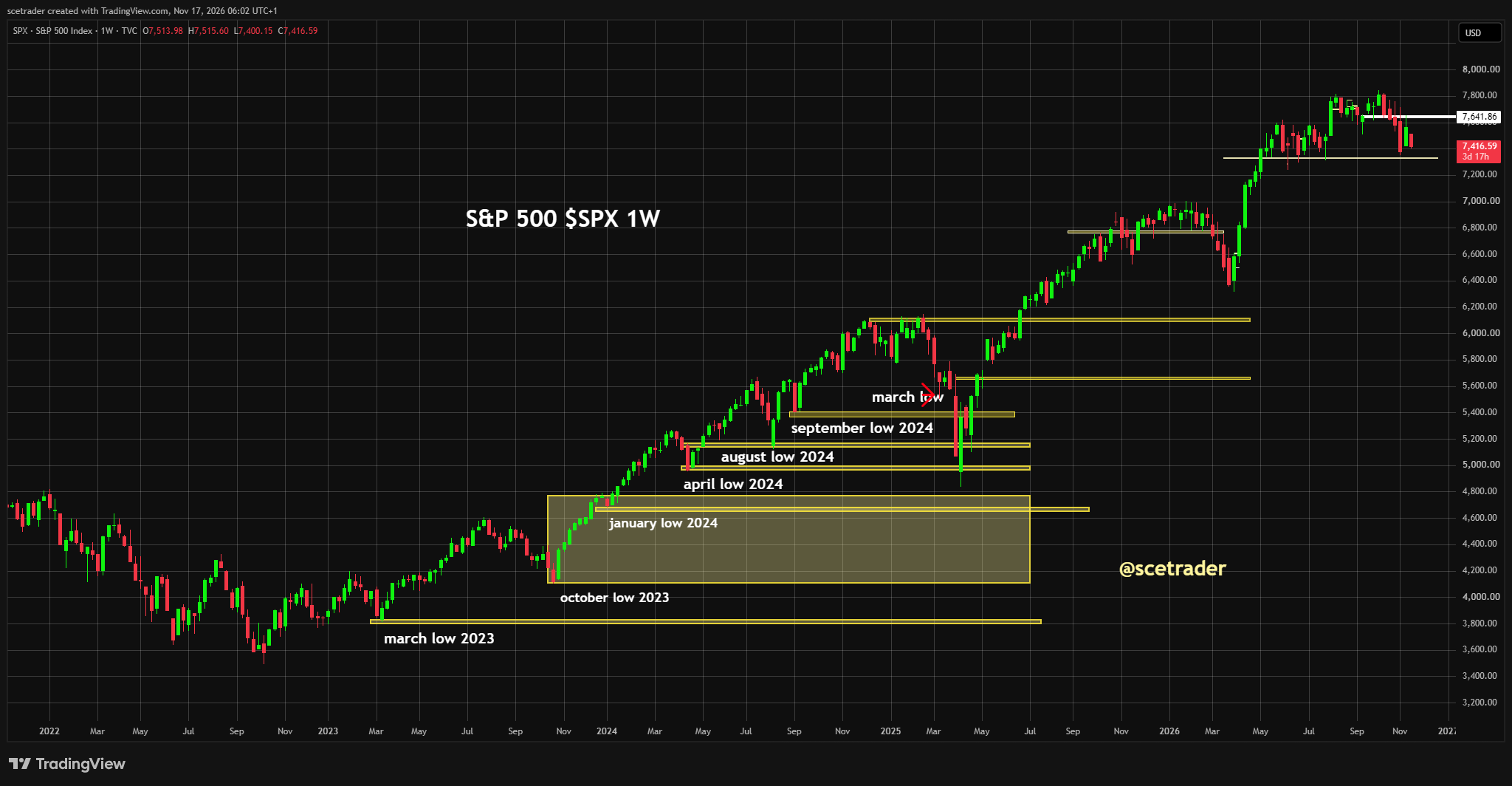
Europa gaat richting een lagere opening. De DAX-decemberfuture noteert vroeg rond 26.544, terwijl Wall Street maandag stevig terrein verloor: de S&P 500 daalde 1,92%, de Nasdaq 2,49% en de Amerikaanse halfgeleiderindex 5,3%. De verkoop zat niet alleen in chips. Industrie, consument cyclisch, energie, communicatie en financials sloten eveneens lager.
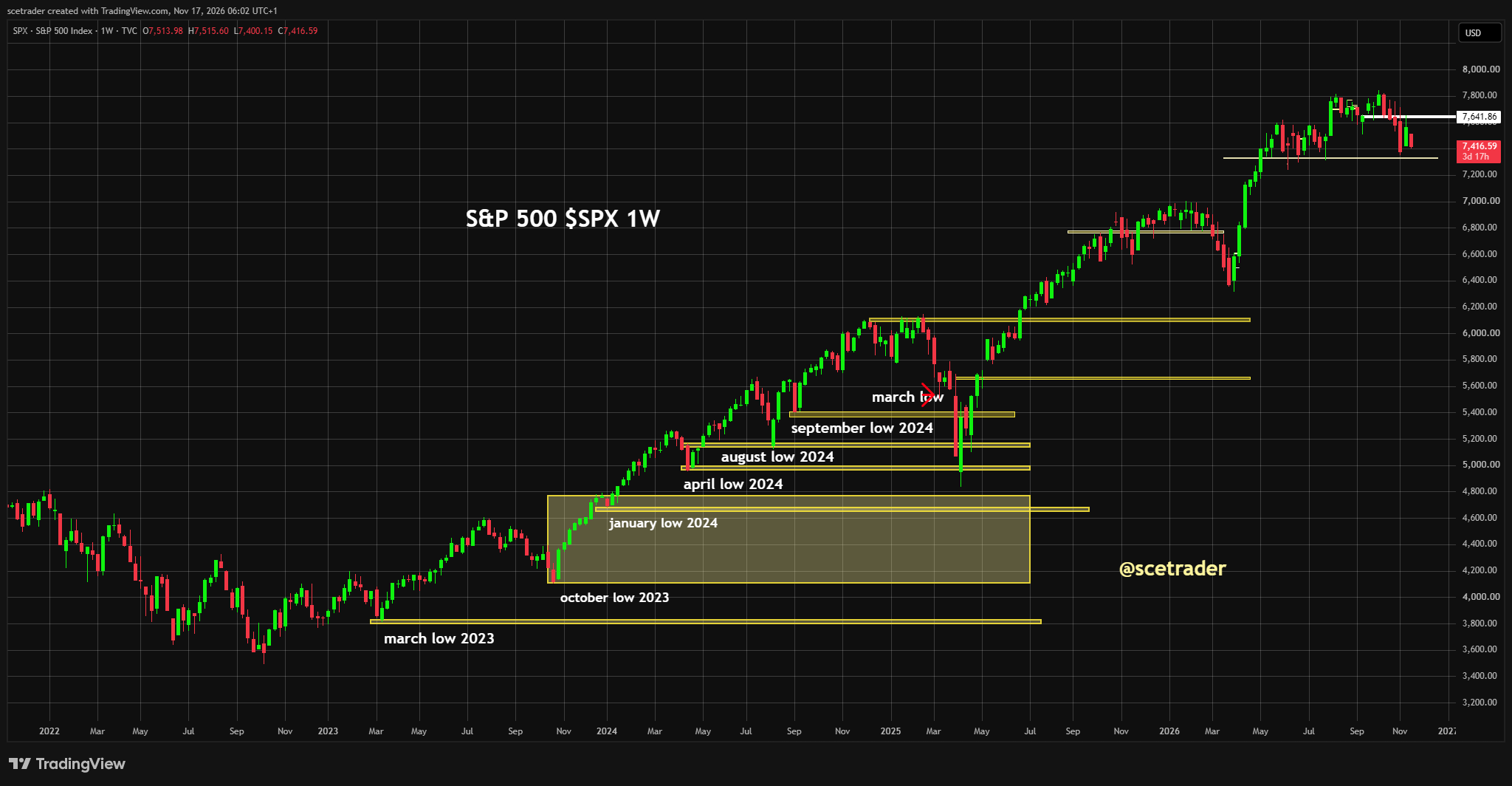
Azië neemt de zwakte in technologie over. Zuid-Korea verliest ongeveer 2%, Taiwan 1,4% en Japan circa 1%. Voor Europa verschuift het zwaartepunt na de opening echter snel naar eigen informatie. De Britse arbeidsmarkt, een nieuwe ECB-publicatie over Big Tech in de euro-obligatiemarkt, de economische ramingen van de Europese Commissie en de Duitse ZEW volgen binnen enkele uren.
Sector richting Europa
■ Sector richting Europa: lager / zwak — de negatieve overdracht uit Wall Street en Azië zet de opening onder druk, waarna Europese rente- en groeicijfers waarschijnlijk meer onderscheid tussen sectoren veroorzaken.
■ AI-infrastructuur: lager / negatief — de markt verlaagt opnieuw de waardering van bedrijven waarvan de winst sterk afhankelijk is van verdere uitbreiding van AI-capaciteit. NVIDIA-cijfers na de Amerikaanse beurs worden de eerstvolgende grote vraagtest.
■ Neoclouds en data centers: lager / negatief — hoge vaste kosten en grote toekomstige investeringsverplichtingen maken deze groep gevoelig voor iedere verlaging van bezettings-, prijs- of groeiverwachtingen.
■ Halfgeleiders: lager / negatief — de SOX verloor 5,3% en de verkoop loopt door in Aziatische technologie. Europese chipbedrijven beginnen daardoor met de zwaarste negatieve overdracht.
■ Geheugen en HBM: gemengd tot lager — de brede chipcorrectie drukt de sector, maar de verslechtering bij NAND mag niet automatisch naar HBM en high-end DRAM worden doorgetrokken.
■ NAND en enterprise SSD: lager / negatief — lagere geplande orders van Chinese cloudbedrijven en stijgend bit-aanbod verhogen het risico dat prijsdruk eerder terugkeert.
■ Apparatuur voor chipproductie: lager / negatief — equipmentbedrijven reageren vooral op veranderingen in toekomstige capaciteitsplannen. Een lagere investeringsgroei raakt nieuwe orders eerder dan reeds geplaatste systemen.
■ Servers en racks: lager / negatief — technisch blijft de vraag naar krachtigere systemen groeien, maar de markt vraagt nu nadrukkelijker welk rendement klanten op die dure infrastructuur behalen.
■ Datacenter-stroom en koeling: gemengd / relatief sterker — hogere vermogensdichtheid vergroot de benodigde waarde van liquid cooling, stroomconversie en distributie per rack. Het risico ligt meer bij uitstel van projecten dan bij het verdwijnen van de technische noodzaak.
■ Netwerken en opticals: lager / negatief — scale-up en scale-out networking blijven noodzakelijk, maar minder snelle clusteruitbreiding raakt volumes en maakt hoge groeiverwachtingen moeilijker te verdedigen.
■ Software en cloud: lager / relatief sterker — winstgevende software kan omzet uitbreiden zonder voor iedere groeistap dezelfde fysieke kapitaalinvesteringen te doen als datacenters.
■ Cybersecurity: relatief sterker binnen technologie — beveiligingsuitgaven zijn minder afhankelijk van het tempo waarin nieuwe GPU-clusters worden gebouwd. De sector blijft wel gevoelig voor de hogere discontovoet op groeiaandelen.
■ Banken: gemengd — de Duitse tweejaarsrente staat rond 3,14% en de tienjaarsrente rond 3,38%, maar hogere rente is niet automatisch positief voor de winst. Depositoprijzing, fundingmix, kredietkwaliteit en de vorm van de rentecurve bepalen welke banken daadwerkelijk profiteren.
■ Italiaanse banken: relatief sterker binnen banken — goedkope zichtdeposito's geven een gunstigere uitgangspositie wanneer marktrentes stijgen. Daar staat tegenover dat de Italiaanse tienjaarsrente rond 4,45% ook de prijs van nieuwe wholesale funding verhoogt.
■ Duitse banken: gemengd — de concurrentie om deposito's is groter, waardoor hogere beleidsrentes sneller in spaartarieven kunnen verdwijnen. De goedkeuring van de overname van Commerzbank door UniCredit houdt daarnaast consolidatie opnieuw nadrukkelijk op de agenda.
■ Franse banken: voorzichtig — de Franse tienjaarsrente staat rond 4,94% en de spread tegenover Duitsland rond 155 basispunten. Die sovereign spread telt mee in funding, waarderingen van obligatieportefeuilles en de risicopremie op Franse financiële instellingen.
■ Private credit en alternative asset managers: voorzichtig tot negatief — hogere coupons compenseren niet automatisch voor verslechterende kredietkwaliteit. Interest coverage, non-accruals, NAV en de financiering van de fondsen zelf zijn nu belangrijker dan het nominale rendement op nieuwe leningen.
■ Verzekeraars: gemengd / relatief sterker — hogere obligatierentes verhogen geleidelijk het rendement op herbeleggingen, maar verlagen tegelijk de marktwaarde van bestaande obligaties. Bij schadeverzekeraars blijven combined ratio en claims belangrijker dan de rente alleen.
■ Asset managers: gemengd — hogere obligatierentes kunnen geld naar vastrentende fondsen trekken, terwijl dalende aandelen- en obligatiekoersen juist het beheerd vermogen en daarmee fee-inkomsten drukken.
■ Defensieve consumentengoederen: relatief sterker — Amerikaanse staples waren maandag een van de weinige positieve grote sectoren. De winstontwikkeling hangt veel minder af van kapitaaluitgaven en industriële groei.
■ Nutsbedrijven en elektriciteitsnetten: gemengd — structurele stroomvraag blijft gunstig, maar de sector financiert veel investeringen met schuld. Een hogere lange rente verhoogt daardoor rechtstreeks de vereiste rendementen op nieuwe projecten.
■ Gezondheidszorg: relatief sterker — de sector verloor maandag aanzienlijk minder dan de brede Amerikaanse markt en heeft nauwelijks directe blootstelling aan de huidige herwaardering van AI-capex.
■ Vastgoed: voorzichtig — een hogere risicovrije rente verhoogt de vereiste vastgoedrendementen en maakt herfinanciering duurder. De ontwikkeling van Europese obligatierentes na de cijfers van vandaag is daarom belangrijker dan de Amerikaanse technologiesell-off.
■ Industrie en automatisering: lager / negatief — koper noteert rond het laagste niveau in vier maanden en geeft weinig steun aan de wereldwijde investeringscyclus. De Duitse ZEW wordt een directe test voor verwachtingen rond Europese kapitaalgoederen.
■ Spoor en transportmaterieel: kwetsbaar — Alstom komt vandaag met definitieve halfjaarcijfers nadat de voorlopige cijfers van 2 november grote uitvoeringsproblemen blootlegden. De zwakte zit daar niet in de orderinstroom, maar in productie, marges en kasstroom.
■ Defensie en drones: relatief sterker — een nieuw gezonken vrachtschip in de Zwarte Zee houdt maritieme beveiliging, radar, sensoren en tegen-dronesystemen hoog op de Europese veiligheidsagenda.
■ Consument cyclisch en retail: lager / selectief — hoge rente en zwakkere aandelenmarkten drukken de waardering, terwijl de Britse arbeidsmarkt vanochtend nieuwe informatie geeft over loonontwikkeling en consumptieruimte.
■ Auto's en toeleveranciers: lager / negatief — zwakke Aziatische markten en de matige mondiale industriële vraag wegen zwaarder dan het voordeel dat sommige exporteurs uit de sterke dollar halen.
■ Luxe: gemengd tot lager — Azië geeft geen steun en bewijs voor een overtuigende versnelling van Chinese consumptie ontbreekt nog.
■ Materialen en mijnbouw: lager / negatief — de daling van koper naar het laagste niveau in ongeveer vier maanden maakt de zwakke industriële vraag opnieuw zichtbaar.
■ Chemie: gemengd tot lager — lagere olie helpt bij sommige grondstofkosten, maar Europese gas- en elektriciteitskosten blijven hoog en de eindvraag uit industrie is zwak.
■ Energie: lager / negatief — Brent en WTI staan onder druk, waardoor olieproducenten minder winsthefboom uit de grondstoffenprijs krijgen.
■ Luchtvaart: relatief sterker — lagere olie werkt rechtstreeks door in de grootste variabele kostenpost, afhankelijk van de hedgepositie van iedere maatschappij.
■ Transport en logistiek: gemengd — wegtransport profiteert van lagere brandstofprijzen, terwijl de risico's voor de Zwarte Zee de kosten en verzekeringspremies voor scheepvaart juist verhogen.
■ Telecom: relatief sterker — traditionele abonnementen en kasstromen hebben weinig directe koppeling met de AI-correctie en reageren minder sterk op veranderingen in datacenterinvesteringen.
■ Media en communicatie: lager / gemengd — advertentiegevoelige en internetbedrijven blijven gevoeliger voor groeiverwachtingen en waarderingsdruk dan klassieke telecom.
Waan van de dag
De fout zou vandaag zijn om van de Amerikaanse technologiesell-off automatisch een volledige Europese sectorvisie te maken. Europa begint wel lager, maar tussen de opening en kort na 11:00 krijgt de markt voldoende eigen informatie om banken, vastgoed, industrie, consumentenaandelen en nutsbedrijven opnieuw te prijzen. Een zwakke DAX-opening zegt daardoor minder over het verdere verloop van de Europese sessie dan op een dag zonder relevante Europese cijfers.
De tweede fout is om iedere stijging van de rente als positief voor financials te behandelen. Een bank verdient niet aan een beleidsrente in isolatie, maar aan het verschil tussen wat activa opleveren en wat deposito's, wholesale funding en kredietverliezen kosten. Bij verzekeraars, private credit en asset managers werkt dezelfde rente opnieuw anders.
Rente en financials
De Duitse rentecurve staat duidelijk hoger dan enkele weken geleden. De tweejaarsrente noteert rond 3,14% en de tienjaarsrente rond 3,38%, terwijl de markt opnieuw meerdere ECB-verhogingen inprijst. Frankrijk noteert rond 4,94% op tien jaar en Italië rond 4,45%, waardoor ook de spread ten opzichte van Duitsland onderdeel van de aandelenanalyse wordt.
Voor banken betekent dit dat de kwaliteit van de passivazijde belangrijker wordt. Een bank die deposito's nauwelijks hoeft te vergoeden kan hogere kredietrentes langer vasthouden in de marge. Een bank die spaarders snel moet compenseren ziet een groter deel van het rentevoordeel verdwijnen. Tegelijk kunnen hogere rentes probleemleningen, vastgoedkrediet en leveraged finance later juist verslechteren.
Voor verzekeraars ligt het voordeel verder in de tijd. Nieuwe premies en aflopende beleggingen kunnen tegen hogere yields worden herbelegd, maar bestaande obligatieportefeuilles dalen bij een rentestijging in marktwaarde. Bij private credit geldt eveneens geen gratis voordeel: een hogere coupon is alleen waardevol wanneer de kredietnemer de rente kan blijven betalen.
Industrie: Alstom laat zien waarom omzet alleen niet genoeg is
Alstom publiceert vandaag de definitieve cijfers over de eerste helft van boekjaar 2026/27. De voorlopige cijfers van 2 november lieten €11 miljard aan nieuwe orders en €9,3 miljard omzet zien, maar de aangepaste EBIT-marge over de eerste jaarhelft lag rond min 4% en de vrije kasstroom bedroeg min €1,248 miljard. De problemen liggen vooral bij de industrialisatie en homologatie van Coradia Max en andere Duitse projecten.
De jaarprognose werd daardoor scherp verlaagd. Alstom rekent voor heel 2026/27 nog op ongeveer 1% aangepaste EBIT-marge in plaats van circa 6,5% en op min €1,5 miljard vrije kasstroom in plaats van een positief bedrag. Daarnaast wordt ongeveer €2 miljard schuldreductie nagestreefd. Voor Europese industrie is dat een concrete waarschuwing dat een sterk orderboek weinig waardering verdient wanneer uitvoering en kasconversie tegelijk mislopen.
Big Tech komt rechtstreeks de Europese obligatiemarkt binnen
Om 10:00 publiceert de ECB nieuw onderzoek naar de groeiende aanwezigheid van Big Tech in euro-obligaties. Amerikaanse hyperscalers hebben inmiddels rond €40 miljard aan euro-obligaties uitstaan en vertegenwoordigen bijna 10% van de nieuwe euro-uitgifte door niet-financiële bedrijven. Dat maakt AI-financiering ook voor Europese kredietbeleggers een veel directer onderwerp.
Tot nu toe ziet de ECB weinig bewijs dat deze uitgifte Europese bedrijven structureel uit de markt drukt. Wel zijn spreads op hyperscaler-obligaties opgelopen naarmate de verwachte AI-investeringen en toekomstige obligatie-uitgifte stegen. Voor Europese bedrijven wordt dit relevant wanneer grote Amerikaanse emittenten steeds meer langlopend institutioneel kapitaal aantrekken dat anders beschikbaar zou zijn voor Europese bedrijfsobligaties.
Grondstoffen geven verschillende signalen
Koper staat rond het laagste niveau in vier maanden en blijft daarmee een zwak signaal voor industrie. Goud doet tegelijk niet wat bij een klassieke risk-offsessie verwacht zou worden. Het metaal zakte maandag tot het laagste niveau in ruim een jaar, doordat de sterke dollar en hoge Amerikaanse obligatierentes zwaarder wegen dan de vraag naar bescherming.
Olie staat eveneens lager, maar dat heeft niet voor iedere Europese sector dezelfde betekenis. Producenten verliezen winsthefboom, terwijl luchtvaart en delen van transport goedkoper kunnen inkopen. Chemie krijgt slechts gedeeltelijk verlichting omdat de Europese gas- en stroomkosten een afzonderlijke kostenpost blijven.
Desk-view
Wij verwachten een zwakke opening, met de grootste directe druk bij halfgeleiders, NAND, neoclouds, materialen en andere aandelen waarbij veel winst afhankelijk is van toekomstige investeringen. Gezondheidszorg, staples, telecom en selectieve verzekeraars beginnen met minder directe verkoopdruk. Bij banken, industrie en vastgoed willen wij eerst de Europese rente- en groeireactie zien voordat een duidelijke relatieve voorkeur gerechtvaardigd is.
De eerste uren tellen daarom meer dan de openingsgap. Britse arbeidsmarktdata komen vroeg, om 10:00 volgt de ECB-publicatie, om 11:00 de nieuwe economische raming van de Europese Commissie en om 11:05 de ZEW. Als Europese rentes daarna verder oplopen zonder verbetering van de groeiverwachtingen, wordt de verkoop waarschijnlijk breder. Een daling van de rente bij stabiele groei zou juist ruimte geven aan vastgoed, industrie en delen van financials.
🔵 English version.
Direction for Europe from the US: lower / weak
Europe heads for a lower open: European data will determine whether selling broadens further
© 2026 SCEtrader.nl - All rights reserved.
Europe is heading for a lower open. The December DAX future trades early around 26,544, while Wall Street lost substantial ground on Monday: the S&P 500 fell 1.92%, the Nasdaq 2.49% and the US semiconductor index 5.3%. Selling was not confined to chips. Industrials, consumer discretionary, energy, communication services and financials also closed lower.
Asia is carrying the weakness in technology forward. South Korea is down roughly 2%, Taiwan 1.4% and Japan around 1%. For Europe, however, the focus shifts quickly after the open toward its own information. UK labour-market data, a new ECB publication on Big Tech in the euro bond market, the European Commission's economic forecasts and Germany's ZEW all arrive within a few hours.
Sector direction Europe
■ Sector direction Europe: lower / weak — the negative read-through from Wall Street and Asia pressures the open, after which European rate and growth data are likely to create greater differentiation between sectors.
■ AI infrastructure: lower / negative — the market is again reducing valuations for companies whose earnings depend heavily on further expansion of AI capacity. NVIDIA's results after the US close provide the next major test of demand.
■ Neoclouds and data centers: lower / negative — high fixed costs and large future investment commitments make this group sensitive to any reduction in utilisation, pricing or growth expectations.
■ Semiconductors: lower / negative — the SOX lost 5.3% and selling is extending into Asian technology. European chip companies therefore start with the heaviest negative read-through.
■ Memory and HBM: mixed to lower — broad chip selling pressures the sector, but deterioration in NAND should not automatically be extended to HBM and high-end DRAM.
■ NAND and enterprise SSD: lower / negative — lower planned orders from Chinese cloud companies and rising bit supply increase the risk that pricing pressure returns earlier.
■ Semiconductor equipment: lower / negative — equipment companies respond mainly to changes in future capacity plans. Slower investment growth hits new orders earlier than systems already scheduled.
■ Servers and racks: lower / negative — technically, demand for more powerful systems continues to grow, but the market is now asking more explicitly what returns customers earn on that expensive infrastructure.
■ Data-center power and cooling: mixed / relatively stronger — higher power density increases the required value of liquid cooling, power conversion and distribution per rack. The risk lies more in project delays than in the disappearance of the technical requirement.
■ Networking and opticals: lower / negative — scale-up and scale-out networking remain essential, but slower cluster expansion affects volumes and makes high growth expectations harder to defend.
■ Software and cloud: lower / relatively stronger — profitable software can expand revenue without making the same physical capital investment for every increment of growth as data centers.
■ Cybersecurity: relatively stronger within technology — security spending is less dependent on the pace at which new GPU clusters are built. The sector remains sensitive to the higher discount rate applied to growth equities.
■ Banks: mixed — the German 2-year yield is around 3.14% and the 10-year around 3.38%, but higher rates do not automatically improve earnings. Deposit pricing, funding mix, credit quality and the shape of the yield curve determine which banks actually benefit.
■ Italian banks: relatively stronger within banks — cheap sight deposits provide a better starting position when market rates rise. Against that, the Italian 10-year yield around 4.45% also increases the price of new wholesale funding.
■ German banks: mixed — competition for deposits is stronger, allowing higher policy rates to flow more quickly into savings rates. Approval of UniCredit's acquisition of Commerzbank also puts consolidation firmly back on the agenda.
■ French banks: cautious — the French 10-year yield is around 4.94% and the spread over Germany around 155 basis points. That sovereign spread matters for funding, the valuation of bond portfolios and the risk premium on French financial institutions.
■ Private credit and alternative asset managers: cautious to negative — higher coupons do not automatically compensate for deteriorating credit quality. Interest coverage, non-accruals, NAV and the financing of the funds themselves matter more now than the nominal yield on new loans.
■ Insurers: mixed / relatively stronger — higher bond yields gradually raise reinvestment returns but simultaneously reduce the market value of existing bonds. For property and casualty insurers, combined ratios and claims remain more important than rates alone.
■ Asset managers: mixed — higher bond yields can attract money into fixed-income funds, while falling equity and bond prices reduce assets under management and therefore fee income.
■ Consumer staples: relatively stronger — US staples were one of the few positive major sectors on Monday. Earnings depend far less on capital spending and industrial growth.
■ Utilities and power grids: mixed — structural electricity demand remains supportive, but the sector finances substantial investment with debt. A higher long-term rate therefore directly increases the required return on new projects.
■ Healthcare: relatively stronger — the sector lost considerably less than the broad US market on Monday and has little direct exposure to the current repricing of AI capex.
■ Real estate: cautious — a higher risk-free rate raises required property yields and makes refinancing more expensive. The movement in European bond yields after today's releases therefore matters more than the US technology selloff.
■ Industrials and automation: lower / negative — copper is trading around its lowest level in four months and provides little support for the global investment cycle. Germany's ZEW is a direct test for expectations around European capital goods.
■ Rail and transport equipment: vulnerable — Alstom reports final half-year results today after preliminary figures released on November 2 exposed major execution problems. The weakness is not in order intake but in production, margins and cash flow.
■ Defence and drones: relatively stronger — another sunken cargo ship in the Black Sea keeps maritime security, radar, sensors and counter-drone systems high on Europe's security agenda.
■ Consumer discretionary and retail: lower / selective — high rates and weaker equity markets pressure valuations, while UK labour-market data this morning provide new information on wages and consumer spending capacity.
■ Automakers and suppliers: lower / negative — weak Asian markets and subdued global industrial demand outweigh the benefit some exporters receive from a stronger dollar.
■ Luxury: mixed to lower — Asia provides no support and convincing evidence of a sustained acceleration in Chinese consumption is still lacking.
■ Materials and mining: lower / negative — copper falling to around a four-month low once again makes weaker industrial demand visible.
■ Chemicals: mixed to lower — lower oil helps some raw-material costs, but European gas and electricity costs remain high and industrial end demand is weak.
■ Energy: lower / negative — Brent and WTI remain under pressure, reducing the earnings leverage oil producers receive from the underlying commodity.
■ Airlines: relatively stronger — lower oil feeds directly into the largest variable cost, depending on each airline's hedging position.
■ Transport and logistics: mixed — road transport benefits from lower fuel prices, while Black Sea risks increase costs and insurance premiums for shipping.
■ Telecom: relatively stronger — traditional subscriptions and cash flows have little direct connection with the AI correction and respond less to changes in data-center investment.
■ Media and communication: lower / mixed — advertising-sensitive and internet companies remain more exposed to growth expectations and valuation pressure than traditional telecom.
Market focus of the day
The mistake today would be to turn the US technology selloff automatically into a complete European sector view. Europe does start lower, but between the open and shortly after 11:00 the market receives enough of its own information to reprice banks, property, industrials, consumer equities and utilities. A weak DAX open therefore says less about the rest of the European session than it would on a day without relevant European releases.
The second mistake is to treat every rise in rates as positive for financials. A bank does not earn money from a policy rate in isolation but from the difference between what its assets yield and what deposits, wholesale funding and credit losses cost. For insurers, private credit and asset managers, the same interest rate operates differently again.
Rates and financials
The German yield curve stands clearly higher than several weeks ago. The 2-year yield is around 3.14% and the 10-year around 3.38%, while markets are again pricing several ECB increases. France trades around 4.94% at ten years and Italy around 4.45%, making the spread versus Germany part of the equity analysis as well.
For banks, this makes the quality of the liability side more important. A bank that barely needs to pay for deposits can retain higher lending rates in its margin for longer. A bank that has to compensate savers quickly sees a larger part of the rate benefit disappear. At the same time, higher rates can later worsen problem loans, property credit and leveraged finance.
For insurers, the benefit lies further into the future. New premiums and maturing investments can be reinvested at higher yields, but existing bond portfolios lose market value when rates rise. The same applies to private credit: a higher coupon only has value if the borrower can continue paying it.
Industrials: Alstom shows why revenue alone is not enough
Alstom publishes final results for the first half of fiscal 2026/27 today. Preliminary figures released on November 2 showed €11 billion of new orders and €9.3 billion of revenue, but the adjusted EBIT margin for the first half was around minus 4% and free cash flow was minus €1.248 billion. The problems are concentrated mainly in industrialisation and homologation of Coradia Max and other German projects.
The full-year outlook was therefore cut sharply. Alstom now expects roughly a 1% adjusted EBIT margin for 2026/27 instead of about 6.5% and minus €1.5 billion of free cash flow instead of a positive amount. It is also targeting roughly €2 billion of debt reduction. For European industrials, this is a concrete warning that a strong order book deserves little valuation support when execution and cash conversion deteriorate at the same time.
Big Tech enters the European bond market directly
At 10:00 the ECB publishes new research on Big Tech's growing presence in euro-denominated bonds. US hyperscalers now have roughly €40 billion of euro bonds outstanding and represent almost 10% of new euro issuance by non-financial companies. That makes AI financing a much more direct issue for European credit investors as well.
So far, the ECB sees little evidence that this issuance is structurally crowding European companies out of the market. Spreads on hyperscaler bonds have, however, widened as expected AI investment and future bond supply increased. This becomes relevant for European issuers when large US borrowers absorb more long-duration institutional capital that would otherwise be available to European corporate bonds.
Commodities give different signals
Copper is around its lowest level in four months and remains a weak signal for industry. Gold, at the same time, is not behaving as it would in a classic risk-off session. The metal fell on Monday to its lowest level in more than a year because the strong dollar and high US bond yields outweighed demand for protection.
Oil is also lower, but that does not mean the same thing for every European sector. Producers lose earnings leverage, while airlines and parts of transport can buy fuel more cheaply. Chemicals receive only partial relief because European gas and power costs remain a separate expense.
Desk view
We expect a weak open, with the greatest immediate pressure on semiconductors, NAND, neoclouds, materials and other equities where a large share of earnings depends on future investment. Healthcare, staples, telecom and selected insurers start with less direct selling pressure. In banks, industrials and real estate, we want to see the European rate and growth reaction first before a clear relative preference is justified.
The first hours therefore matter more than the opening gap. UK labour-market data arrive early, the ECB publication follows at 10:00, the European Commission's new economic forecast at 11:00 and the ZEW at 11:05. If European yields rise further afterwards without an improvement in growth expectations, selling is likely to broaden. Falling yields alongside stable growth would instead create room for property, industrials and parts of financials.
Disclaimer Aan de door ons opgestelde informatie kan op geen enkele wijze rechten worden ontleend. Alle door ons verstrekte informatie en analyses zijn geheel vrijblijvend. Alle consequenties van het op welke wijze dan ook toepassen van de informatie blijven volledig voor uw eigen rekening.
Wij aanvaarden geen aansprakelijkheid voor de mogelijke gevolgen of schade die zouden kunnen voortvloeien uit het gebruik van de door ons gepubliceerde informatie. U bent zelf eindverantwoordelijk voor de beslissingen die u neemt met betrekking tot uw beleggingen.


