☕️ Morning Call en📞 Podcast woensdag 7 oktober - Futures Europa lager

Meer op onze website, waar we vandaag weer aan verschillende zaken aandacht besteden. Let op, dit bericht kan overlappen met een aantal berichten die wij ook op de website publiceren.
■ Europa: Europese futures wijzen op een voorzichtige tot licht lagere opening van ongeveer 0,5%. Dat staat tegenover nieuwe records voor de S&P 500 en Nasdaq op Wall Street. De eerste beweging kan daardoor defensief zijn, maar de ondertoon blijft beter dan de futures alleen suggereren. De AEX sloot dinsdag op een nieuw record van 1.128,33 en dips worden nog steeds relatief snel gekocht.
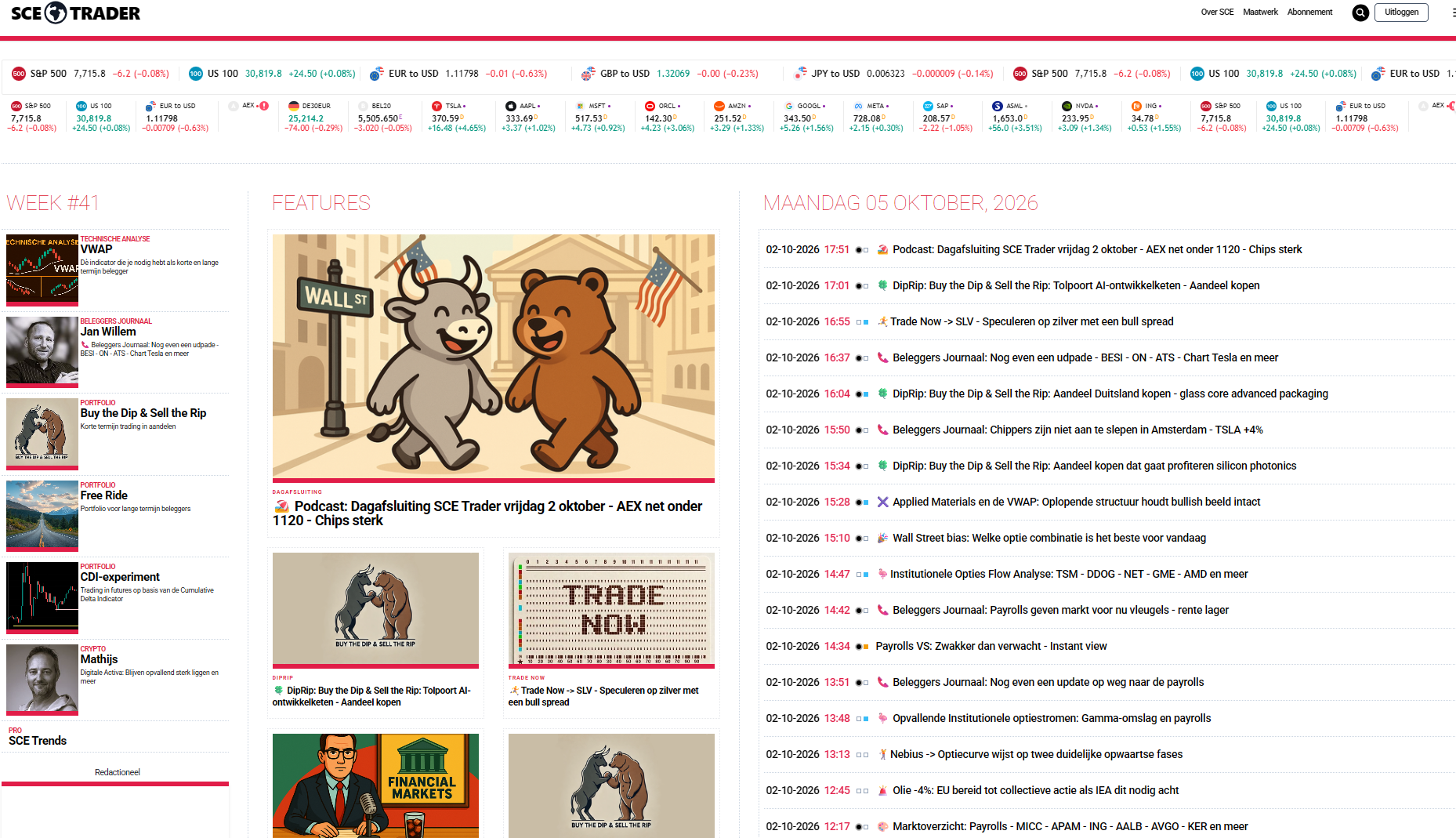
■ AEX: de doorbraak boven 1.120 blijft technisch belangrijk. Een zwakkere opening verandert het positieve beeld niet direct zolang de index boven belangrijke steun blijft. Voor de Nederlandse markt worden ASML, ASM International, Besi en Shell opnieuw bepalend. De kracht hoeft echter niet uitsluitend uit chips te komen.
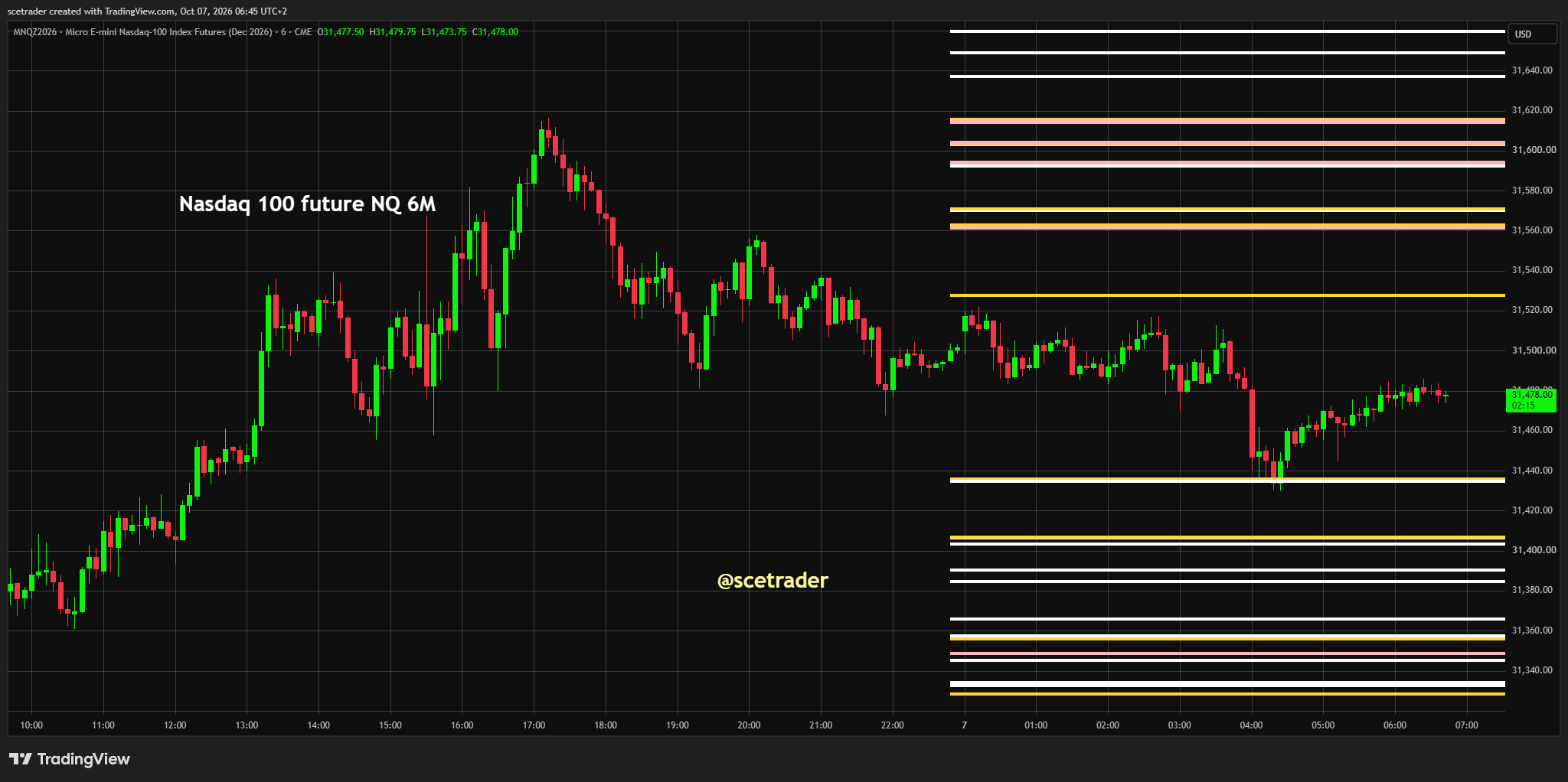
■ Amerikaanse futures: S&P 500-futures staan ongeveer 0,1% hoger en Nasdaq 100-futures vrijwel vlak. Technisch bewegen de futures in een trading range. Er ligt duidelijke steun lager en er liggen verschillende weerstandsniveaus hoger. Een korte terugval blijft mogelijk. Die kan juist opnieuw liquiditeit verzamelen voor een volgende poging omhoog.
■ Wall Street: de Amerikaanse sessie van dinsdag was opnieuw sterk. De S&P 500 en Nasdaq bereikten nieuwe records, terwijl de Philadelphia Semiconductor Index slechts ongeveer 0,3% won. Wij lezen dat eerder als kracht dan als zwakte. Chips hoefden de markt niet alleen te dragen en er blijft selectieve vraag in andere technologie- en groeiaandelen.
■ Azië: Aziatische markten liggen overwegend lager en memory-aandelen staan opnieuw wat onder druk. De regio volgt de records op Wall Street daarmee niet overtuigend. China blijft vanwege Golden Week gesloten en daardoor ontbreekt een belangrijk deel van de regionale liquiditeit. India heeft de rente met 25 basispunten verhoogd naar 5,50%, de eerste verhoging in bijna vier jaar.
■ Rente VS: de Amerikaanse 10-jaarsrente staat rond 5,31%, ongeveer twee basispunten hoger. Dat blijft de belangrijkste brede rem op waarderingen. De markt heeft tot nu toe opvallend goed met dit renteniveau kunnen omgaan. Een nieuwe versnelling omhoog zou technologie, vastgoed en andere rentegevoelige aandelen echter snel opnieuw onder druk kunnen zetten.
■ Amerikaanse obligatiemarkt: de grote hoeveelheid nieuwe Treasury-uitgiftes blijft belangrijk. De markt moet veel Amerikaans staatspapier absorberen en de vraag bij veilingen wordt daarmee een belangrijke test. Sterke vraag kan verlichting geven. Zwakke vraag kan de lange rente opnieuw omhoog sturen.
■ Europa en obligaties: de Duitse 10-jaarsrente staat rond 3,48% en de Franse rond 4,79%. Daarmee is een deel van de verbetering van dinsdag weer ingeleverd. Frankrijk blijft het belangrijkste Europese obligatierisico. De beweging is nog geen nieuwe stressfase, maar de onderliggende begrotingsproblemen zijn ook niet verdwenen.
■ Frankrijk en Spanje: Frankrijk blijft centraal staan door de combinatie van begrotingsproblemen, politieke onzekerheid en een hogere risicopremie. Ook Spanje blijft politiek relevant. Voor Europese banken en de euro is vooral van belang of de spreads opnieuw oplopen of juist verder stabiliseren.
■ Japanse rente: de Japanse 10-jaarsrente staat rond 3,09%. De combinatie van zeer hoge Japanse rente en USD/JPY boven 158 blijft uitzonderlijk. Een structureel hogere Japanse rente kan op termijn ook kapitaal terugtrekken uit Amerikaanse en Europese obligaties.
■ Euro en dollar: EUR/USD is teruggezakt naar ongeveer 1,1220 en USD/JPY staat rond 158,4. De euro verliest daarmee een deel van het herstel van dinsdag. Voor Europese exporteurs is dat niet ongunstig. Verdere dollarsterkte kan wel opnieuw druk zetten op grondstoffen en liquiditeitsgevoelige activa.
■ Volatiliteit: de markten blijven ondanks de hoge rente en geopolitieke onzekerheid relatief rustig. Dat ondersteunt de gedachte dat beleggers voorlopig bereid blijven dips te kopen. Een gelijktijdige versnelling van olie, rente en volatiliteit zou het beeld snel veranderen.
■ Olie en geopolitiek: olie staat ongeveer 1% hoger en blijft daarmee een van de twee belangrijkste wildcards naast de rente. Rond Iran zijn de signalen tegenstrijdig. Militaire spanning en risico rond de Straat van Hormuz blijven bestaan, terwijl tegelijkertijd veel olie door de regio blijft stromen. Ook mogelijke verstoringen in de Golf van Mexico blijven relevant. Voor aandelen wordt vooral belangrijk of Brent rond de huidige zone blijft of opnieuw richting $105 en hoger versnelt.
■ Energie: hogere olie ondersteunt Shell, BP en TotalEnergies. Dezelfde beweging werkt via inflatie en rente juist tegen technologie, consument, chemie, transport en vastgoed. Energie kan daarmee de index ondersteunen en tegelijkertijd een macro-economisch risico vormen.
■ Goud en zilver: goud staat ongeveer 0,6% lager rond $4.138 en zilver rond $60,80. Dat oogt op korte termijn zwakker. Wij lezen de beweging voorlopig eerder als consolidatie dan als structurele trendbreuk. Hoge lange rente en dollar blijven tegenwind. Wanneer die stabiliseren, sluiten wij een nieuwe opwaartse ronde bij beide metalen niet uit.
■ Koper: koper blijft structureel interessant door investeringen in elektriciteitsnetten, datacenters, energie-infrastructuur en elektrificatie. Zolang industriële metalen relatief goed blijven liggen, geeft de grondstoffenmarkt geen duidelijk signaal dat de mondiale groeicyclus abrupt wegvalt.
■ Technologie: Amerikaanse AI-kracht blijft de belangrijkste structurele steun voor Europese technologie. Hoge lange rente begrenst de waarderingsruimte, maar de fundamentele investeringscyclus rond AI, cloud, software en datacenters blijft sterk.
■ Halfgeleiders: de markt kijkt inmiddels veel breder dan alleen AI-accelerators. Memory, equipment, optical, networking, power semiconductors, mature nodes en advanced packaging worden steeds belangrijker. Wij blijven daarom zoeken naar chipnamen met een duidelijk technisch en fundamenteel patroon.
■ Energiebedrijven: Shell, BP en TotalEnergies hebben een relatief gunstige uitgangspositie zolang olie hoog blijft. De sector kan daardoor opnieuw tot de sterkere Europese groepen behoren.
■ Banken: ING, BNP Paribas, Société Générale en Crédit Agricole krijgen steun zolang Franse staatsobligaties rustig blijven. De sector blijft echter gevoelig voor een nieuwe stijging van de Franse risicopremie.
■ Industrie: elektrificatie, netwerkuitbreiding en AI-capex blijven sterke structurele thema’s. Traditionele industrie heeft tegelijk last van hoge financierings- en energiekosten. Daardoor verwachten wij grote verschillen tussen infrastructuur- en automatiseringsnamen en energie-intensieve cyclische bedrijven.
■ Chemie: hogere olie en energie blijven een duidelijke tegenwind. Energie-intensieve producenten blijven kwetsbaar wanneer Brent en gas verder oplopen.
■ Transport en luchtvaart: hogere olie werkt rechtstreeks door in brandstofkosten. Air France-KLM, Lufthansa en andere transportbedrijven hebben daardoor een minder gunstige uitgangspositie wanneer olie verder stijgt.
■ Vastgoed: de hoge lange rente blijft het grootste probleem. Zonder een overtuigende daling van obligatierentes blijft een brede herwaardering moeilijk. Beleggers zullen vooral selectief naar balansen, schuldlooptijden en kasstromen kijken.
■ Consument en luxe: hogere energieprijzen en rente blijven een rem op de koopkracht. Luxeaandelen blijven daarnaast afhankelijk van China en valuta. Wij verwachten daarom meer individuele koersbewegingen dan een brede sectorrally.
■ Marvell: Marvell was dinsdag een van de grote winnaars nadat het bedrijf zijn vooruitzichten verder verhoogde. De kern blijft de sterke vraag vanuit AI-datacenters, custom silicon, networking en connectivity. Wij zitten via de Free-Ride portefeuille in het aandeel. De beweging bevestigt dat de AI-capexcyclus zich steeds verder buiten alleen NVIDIA verbreedt.
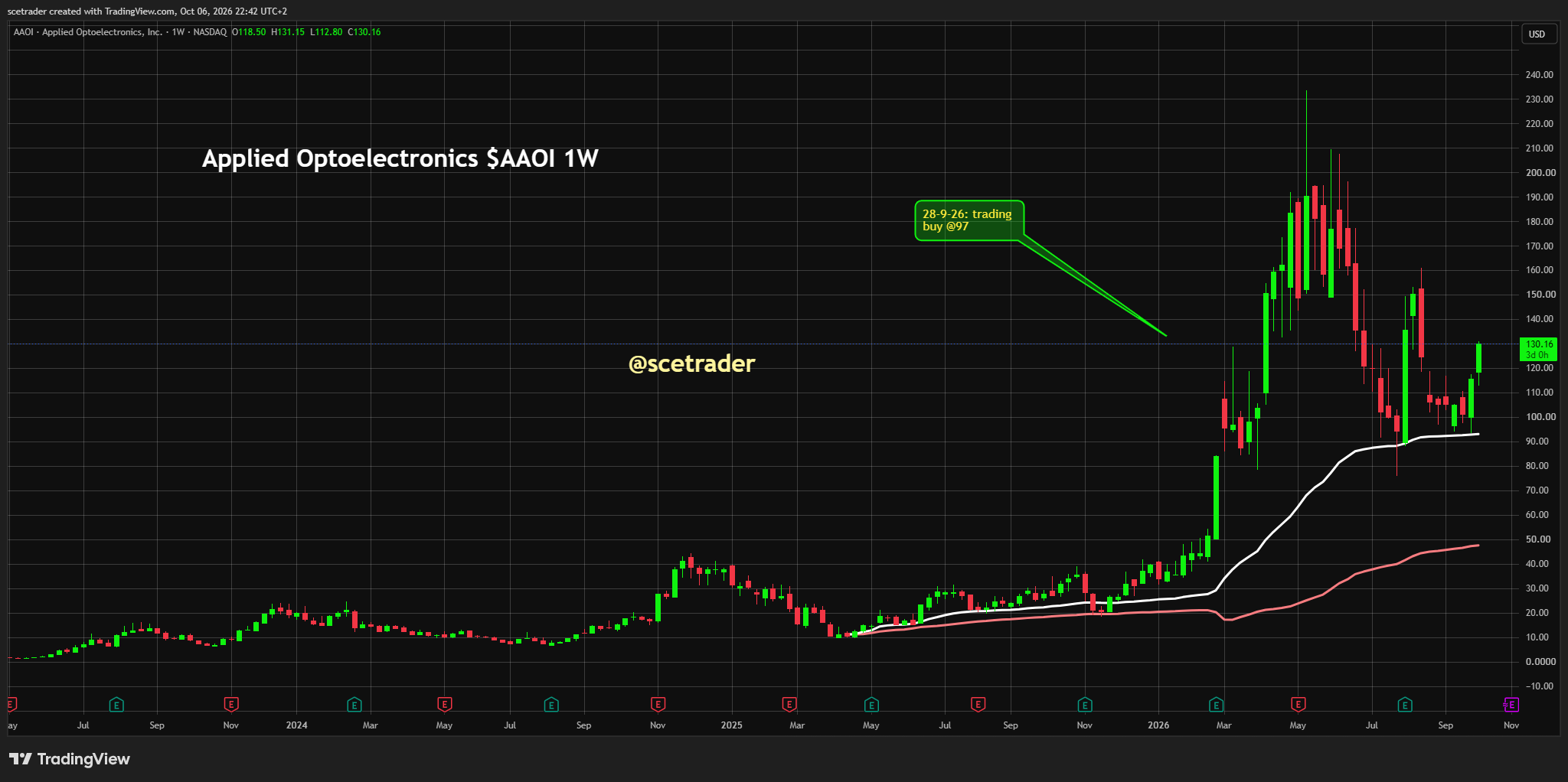
■ Applied Optoelectronics: AAOI liet opnieuw sterke selectieve vraag zien. Het aandeel blijft extreem volatiel en zal niet in een rechte lijn omhoog gaan. De onderliggende vraag naar optical connectivity voor AI-datacenters blijft wel een krachtige structurele driver. Wij zijn onlangs opnieuw ingestapt en zien het aandeel als een hoog-risico blootstelling aan de optical-keten.
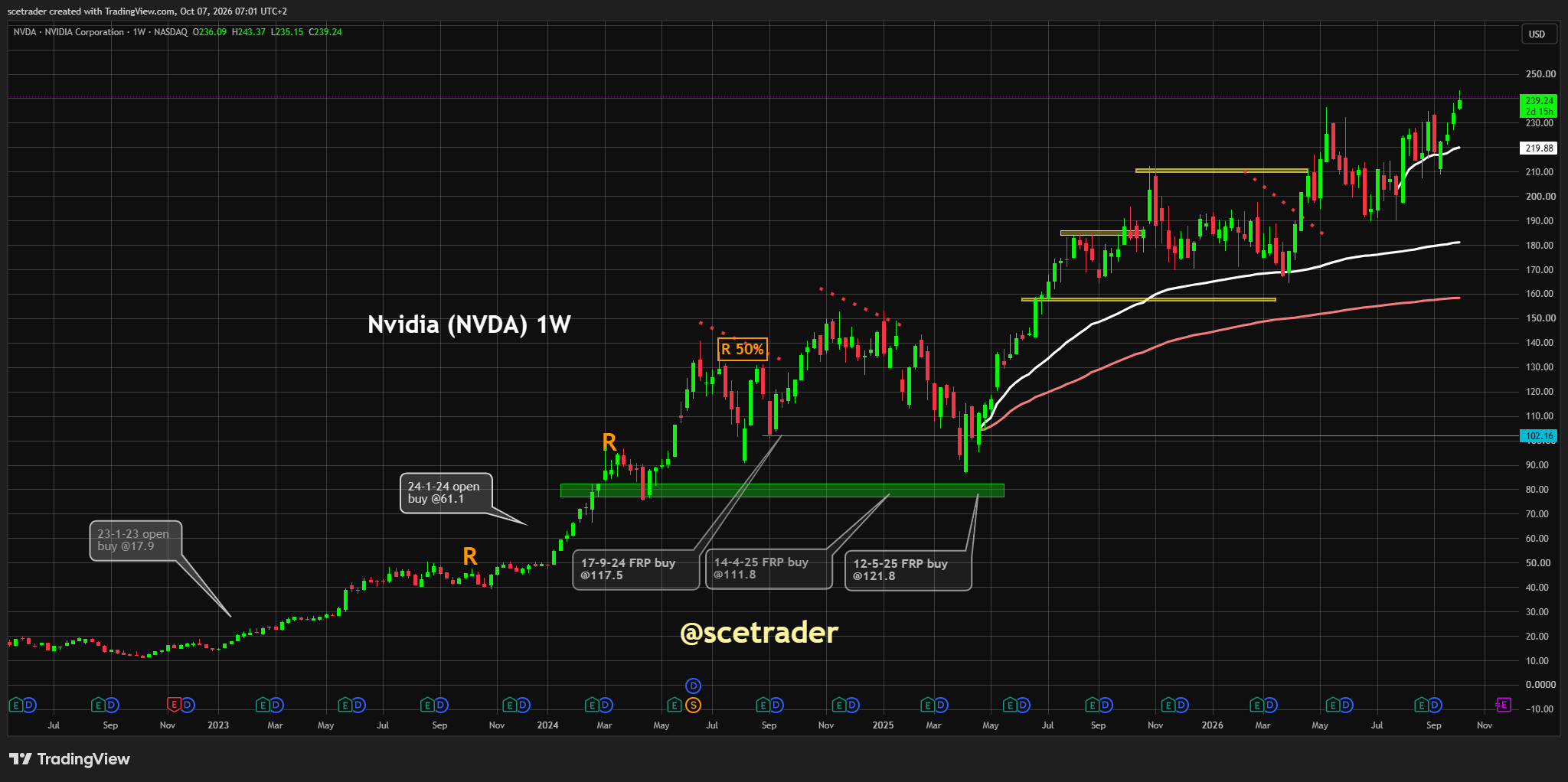
■ NVIDIA en SpaceX: SpaceX probeert ongeveer $40 miljard aan financiering op te halen voor de aankoop van NVIDIA-hardware. Het gaat dus niet simpelweg om een reeds afgeronde chiporder. Het is een enorme financieringsoperatie rond toekomstige AI-infrastructuur. Voor NVIDIA is de read-through duidelijk positief. De vraag naar accelerators blijft uitzonderlijk groot. De deal laat tegelijk zien hoe kapitaalintensief de AI-race inmiddels is geworden.
■ ASML: het structurele beeld blijft sterk door de voortdurende investeringen in geavanceerde nodes, lithografie en aangrenzende technologie. Hybrid bonding wordt daarbij steeds relevanter. Dat opent op termijn nieuwe mogelijkheden voor ASML en verandert tegelijk het concurrentielandschap voor gespecialiseerde equipmentleveranciers.
■ ASM International: ASM International blijft voor ons een van de kwalitatief sterkere Europese chipnamen. Meer complexe transistorarchitecturen, verdere schaalverkleining en meer lagen ondersteunen deposition-technologie. Het technische en fundamentele patroon is voor ons duidelijker dan bij sommige andere Nederlandse chipnamen.
■ Besi: Besi blijft na het negatieve Bank of America-rapport een moeilijke naam. De zorgen rond tragere adoptie van hybrid bonding en meer concurrentie zijn niet onterecht. De technische steun is nog onvoldoende overtuigend. Als wij de stukken al zouden hebben, zouden we voorlopig eerder afwachten dan verkopen. Wij verwachten dat Besi later opnieuw een rally kan inzetten, maar het aandeel behoort momenteel niet tot onze favoriete chipnamen.
■ STMicroelectronics: STM blijft interessant door de combinatie van mature nodes, automotive, industrial en power semiconductors. Wij hebben exposure via de Amerikaanse notering. De positie binnen de chipcyclus is anders dan die van pure AI-namen en kan daardoor juist interessant worden wanneer de markt verbreedt.
■ Infineon: Infineon blijft eveneens interessant binnen power semiconductors, automotive en industriële toepassingen. Wij zien structurele kansen, maar willen nieuwe exposure alleen toevoegen wanneer ook het technische patroon overtuigender wordt.
■ DeepSeek en Prosus: DeepSeek wil minstens $12 miljard ophalen in een grote financieringsronde waarin onder meer Tencent en CATL een rol spelen. Voor Prosus is dat via Tencent een mild positieve read-through. Het laat opnieuw zien hoeveel kapitaal richting het Chinese AI-ecosysteem stroomt. Wij kopen Prosus daar echter niet voor. Onze terughoudendheid rond de bredere portefeuille en onder meer Just Eat Takeaway blijft bestaan.
■ SAP en TechWolf: SAP neemt het Belgische AI-platform TechWolf over. Het platform geeft real-time inzicht in werkzaamheden en vaardigheden van werknemers en heeft al klanten als AMD, Booking.com, HSBC en PayPal. De overname past direct bij SAP’s strategie rond AI en personeelsbeheer. De deal moet in Q4 worden afgerond na goedkeuring van toezichthouders. Financiële details zijn niet bekendgemaakt.
■ Schneider Electric en PTC: Schneider blijft in beeld na de PTC-transactie. Strategisch past PTC goed bij Aveva en industriële software. De markt blijft echter kritisch op prijs, financiering en integratie. De deal verhoogt tegelijk de strategische waarde van industriële software.
■ Dassault Systèmes: de hoge prijs voor PTC is een positieve read-through voor Dassault Systèmes. Engineeringsoftware, simulatie, digital twins en product lifecycle management krijgen daarmee opnieuw een hogere strategische waardering.
■ Siemens: Siemens profiteert structureel van elektrificatie, automatisering en industriële digitalisering. De combinatie van AI-capex en investeringen in fabrieken en netwerken blijft een belangrijke steun.
■ Siemens Energy: Siemens Energy blijft belangrijk binnen de enorme investeringscyclus in stroomopwekking, netwerken en datacenters. De structurele vraag blijft sterk, al kan de koers op korte termijn volatiel blijven.
■ Magnum Ice Cream Company: Jefferies verlaagt het koersdoel van €15,60 naar €15,20 en handhaaft Houden. De bank verwacht in Q3 4,4% autonome groei tegenover 4,2% consensus. Goed zomerweer helpt, maar AMEA-volume staat onder druk door zwakte in China en de concurrentiekwestie in Turkije. India ontwikkelt zich juist beter. Jefferies ziet bij circa 15 keer de winst weinig herwaarderingsruimte en kijkt vooral naar de vraag of Magnum vanaf 2027 groei, rendement en vrije kasstroom voldoende kan vasthouden.
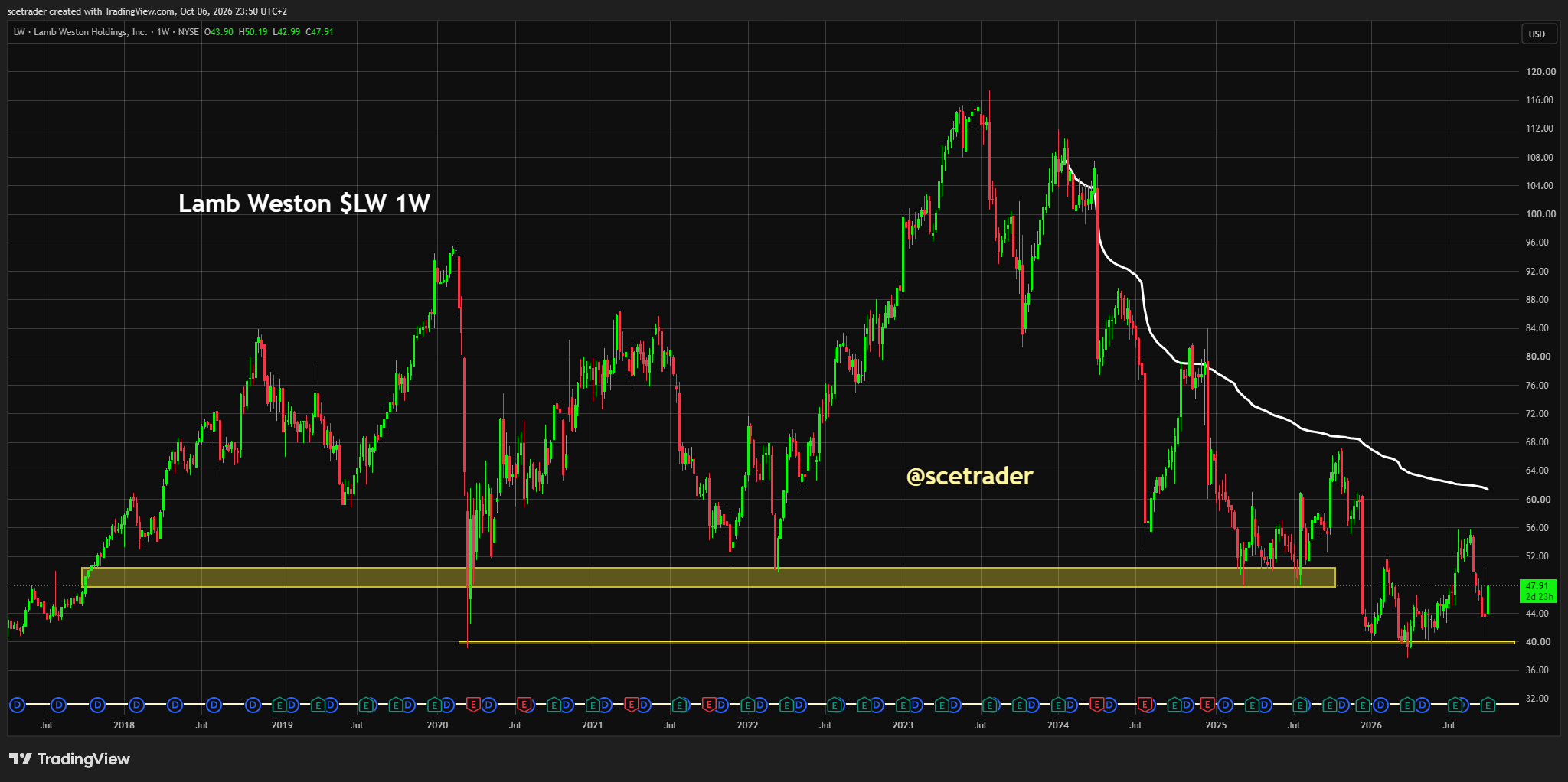
■ Lamb Weston: de kwartaalcijfers waren beter dan verwacht en het bedrijf verhoogde de vooruitzichten voor boekjaar 2027. De Noord-Amerikaanse vraag hield goed stand, terwijl de internationale activiteiten zwakker bleven. Wij krijgen daardoor steeds meer het idee dat het aandeel aan een bodem kan werken. We vinden het nog te vroeg om zonder verdere technische bevestiging agressief te kopen.
■ Crypto: Bitcoin staat ongeveer 1,5% lager rond $84.290. Zolang de zone boven $80.000 standhoudt vinden wij het technische beeld nog steeds redelijk. Interessanter is dat volumes op decentralized exchanges voor het eerst in langere tijd weer aantrekken. Dat is nog geen nieuwe cryptoboom. Het is wel een klein groen signaal voor liquiditeit en activiteit binnen het ecosysteem.
■ Duitse industriële productie: om 08:00 uur Nederlandse tijd verschijnt de industriële productie over augustus. Na de zwakke Duitse fabrieksorders krijgt dit cijfer extra gewicht voor DAX, euro en Bunds.
■ Franse handelsbalans: om 08:45 uur volgt de Franse handelsbalans. Voor Franse activa blijven politieke ontwikkelingen en staatsobligaties waarschijnlijk belangrijker, tenzij het cijfer sterk afwijkt.
■ Amerikaanse olievoorraden: om 16:30 uur Nederlandse tijd volgen de Amerikaanse olievoorraden. Met olie opnieuw hoger krijgt deze publicatie extra gewicht. Een onverwachte voorraaddaling kan olie verder omhoog sturen. Een sterke voorraadopbouw kan juist verlichting geven.
■ Fed: om 20:00 uur Nederlandse tijd worden de notulen van de laatste Federal Reserve-vergadering gepubliceerd. Met de Amerikaanse 10-jaarsrente boven 5,3% kan iedere harde formulering over inflatie en verdere verkrapping direct doorwerken in obligaties en groeiaandelen.
■ Desk-view: de Europese opening kan voorzichtig, verdeeld en ongeveer 0,5% lager worden. Wij vinden de onderliggende markt nog steeds constructief. Wall Street staat op records en de AEX sloot op 1.128,33. De Amerikaanse markt wist dinsdag verder te stijgen terwijl de brede chipindex nauwelijks meedeed. Dat laat zien dat de vraag breder is dan één sector. Technologie, AI, elektrificatie en infrastructuur blijven structureel sterk. Energie profiteert van hogere olie, maar olie vormt tegelijkertijd een macro-risico. Rente en olie blijven daarom de twee belangrijkste wildcards. Zolang die twee niet versnellen en technische steun standhoudt, blijft onze tactische lezing buy on dips.
English
■ Europe: European futures point to a cautious to slightly lower opening of around 0.5%. This contrasts with fresh records for the S&P 500 and Nasdaq on Wall Street. The first move may therefore be defensive, but the underlying tone remains better than futures alone suggest. The AEX closed Tuesday at a new record of 1,128.33 and dips continue to attract buyers relatively quickly.
■ AEX: the breakout above 1,120 remains technically important. A weaker opening does not immediately change the positive picture as long as the index stays above key support. ASML, ASM International, Besi and Shell will again be important for the Dutch market. Strength does not need to come exclusively from semiconductors.
■ US futures: S&P 500 futures are around 0.1% higher and Nasdaq 100 futures are roughly flat. Technically, futures are trading in a range. There is clear support below and several resistance levels above. A short pullback remains possible. That could again gather liquidity for another attempt higher.
■ Wall Street: Tuesday’s US session was strong again. The S&P 500 and Nasdaq reached fresh records while the Philadelphia Semiconductor Index gained only around 0.3%. We interpret that more as strength than weakness. Semiconductors did not have to carry the market alone and selective demand remains strong across other technology and growth stocks.
■ Asia: Asian markets are broadly lower and memory stocks are under renewed pressure. The region is therefore not convincingly following Wall Street’s records. China remains closed for Golden Week and an important part of regional liquidity is therefore absent. India has raised rates by 25 basis points to 5.50%, its first increase in almost four years.
■ US rates: the US 10-year yield trades around 5.31%, roughly two basis points higher. This remains the main broad constraint on valuations. Markets have dealt remarkably well with this level so far. Another sharp move higher would quickly put renewed pressure on technology, property and other rate-sensitive equities.
■ US bond market: heavy Treasury issuance remains important. The market needs to absorb large amounts of US government debt and auction demand will therefore be a key test. Strong demand can provide relief. Weak demand could push long-term yields higher again.
■ Europe and bonds: the German 10-year yield trades around 3.48% and the French yield around 4.79%. Part of Tuesday’s improvement has therefore been reversed. France remains the main European bond-market risk. This is not yet a new stress phase, but the underlying fiscal problems have not disappeared.
■ France and Spain: France remains central because of the combination of fiscal problems, political uncertainty and a higher risk premium. Spain also remains politically relevant. For European banks and the euro, the key question is whether spreads widen again or continue to stabilise.
■ Japanese rates: the Japanese 10-year yield is around 3.09%. The combination of extremely high Japanese yields and USD/JPY above 158 remains unusual. Structurally higher Japanese rates could eventually pull Japanese capital back from US and European bond markets.
■ Euro and dollar: EUR/USD has slipped back to around 1.1220 and USD/JPY trades around 158.4. The euro has therefore given back part of Tuesday’s recovery. This is not unfavourable for European exporters. Further dollar strength could again pressure commodities and liquidity-sensitive assets.
■ Volatility: markets remain relatively calm despite high yields and geopolitical uncertainty. This supports the view that investors are still willing to buy dips. A simultaneous acceleration in oil, yields and volatility would change the picture quickly.
■ Oil and geopolitics: oil is around 1% higher and remains one of the two main wildcards alongside rates. Signals around Iran are contradictory. Military tension and risks around the Strait of Hormuz remain, while substantial oil volumes continue to move through the region. Potential disruptions in the Gulf of Mexico also remain relevant. For equities, the key issue is whether Brent stays around current levels or accelerates again toward $105 and above.
■ Energy: higher oil supports Shell, BP and TotalEnergies. The same move works against technology, consumers, chemicals, transport and property through inflation and interest rates. Energy can therefore support the index and simultaneously become a macro risk.
■ Gold and silver: gold is around 0.6% lower near $4,138 and silver around $60.80. This looks weaker in the short term. For now we interpret the move more as consolidation than a structural break. High long-term yields and the dollar remain headwinds. If they stabilise, we would not rule out another upward move in both metals.
■ Copper: copper remains structurally interesting through power grids, data centres, energy infrastructure and electrification. As long as industrial metals remain relatively resilient, commodities are not signalling an abrupt collapse in the global growth cycle.
■ Technology: US AI strength remains the main structural support for European technology. High long-term yields limit valuation expansion, but the fundamental investment cycle around AI, cloud, software and data centres remains strong.
■ Semiconductors: the market is now looking far beyond AI accelerators alone. Memory, equipment, optical, networking, power semiconductors, mature nodes and advanced packaging are becoming increasingly important. We therefore continue to look for semiconductor names with a clear technical and fundamental setup.
■ Energy companies: Shell, BP and TotalEnergies have a relatively favourable setup as long as oil remains elevated. The sector could therefore again rank among the stronger European groups.
■ Banks: ING, BNP Paribas, Société Générale and Crédit Agricole receive support as long as French government bonds remain calm. The sector nevertheless remains sensitive to another increase in France’s risk premium.
■ Industrials: electrification, grid expansion and AI capex remain powerful structural themes. Traditional industry faces high funding and energy costs. We therefore expect significant dispersion between infrastructure and automation names and energy-intensive cyclicals.
■ Chemicals: higher oil and energy remain a clear headwind. Energy-intensive producers remain vulnerable if Brent and gas rise further.
■ Transport and airlines: higher oil directly raises fuel costs. Air France-KLM, Lufthansa and other transport companies therefore have a less favourable setup if oil rises further.
■ Property: high long-term yields remain the main problem. Without a convincing fall in bond yields, a broad rerating remains difficult. Investors will continue to focus selectively on balance sheets, debt maturities and cash flow.
■ Consumer and luxury: higher energy prices and interest rates remain a drag on purchasing power. Luxury stocks also remain dependent on China and currencies. We therefore expect more company-specific moves than a broad sector rally.
■ Marvell: Marvell was one of Tuesday’s major winners after further raising its outlook. The core story remains strong demand from AI data centres, custom silicon, networking and connectivity. We hold the stock through the Free-Ride portfolio. The move provides further confirmation that the AI capex cycle is broadening beyond NVIDIA alone.
■ Applied Optoelectronics: AAOI again showed strong selective demand. The stock remains extremely volatile and will not rise in a straight line. Underlying demand for optical connectivity in AI data centres remains a powerful structural driver. We recently re-entered the stock and view it as a high-risk exposure to the optical chain.
■ NVIDIA and SpaceX: SpaceX is seeking to raise around $40 billion of financing to purchase NVIDIA hardware. This is therefore not simply a completed chip order. It is a huge financing operation around future AI infrastructure. The read-through for NVIDIA is clearly positive. Demand for accelerators remains exceptional. The deal simultaneously shows how capital intensive the AI race has become.
■ ASML: the structural picture remains strong due to continued investment in advanced nodes, lithography and adjacent technologies. Hybrid bonding is becoming increasingly relevant. That may open new opportunities for ASML over time while also changing the competitive landscape for specialised equipment suppliers.
■ ASM International: ASM International remains one of the higher-quality European semiconductor names for us. More complex transistor architectures, continued scaling and more layers support deposition technology. The technical and fundamental setup is currently clearer to us than at some other Dutch semiconductor names.
■ Besi: Besi remains a difficult name following the negative Bank of America report. Concerns around slower hybrid-bonding adoption and more competition are not unreasonable. Technical support is still not sufficiently convincing. If we already owned the shares, we would currently be more inclined to wait than sell. We expect Besi could rally again later, but it is not among our preferred semiconductor names today.
■ STMicroelectronics: STM remains interesting through its exposure to mature nodes, automotive, industrial and power semiconductors. We have exposure through the US listing. Its position in the semiconductor cycle differs from pure AI names and could become particularly interesting as market leadership broadens.
■ Infineon: Infineon also remains interesting within power semiconductors, automotive and industrial applications. We see structural opportunities, but would only add exposure once the technical setup becomes more convincing.
■ DeepSeek and Prosus: DeepSeek wants to raise at least $12 billion in a major financing round involving Tencent and CATL. For Prosus, this creates a mildly positive read-through through Tencent. It again shows how much capital is flowing into China’s AI ecosystem. We would not buy Prosus for that reason. Our broader caution around the portfolio, including Just Eat Takeaway, remains.
■ SAP and TechWolf: SAP is acquiring Belgian AI platform TechWolf. It provides real-time insight into employee activities and skills and already works with clients including AMD, Booking.com, HSBC and PayPal. The acquisition fits directly with SAP’s AI and human-capital-management strategy. The transaction is expected to close in Q4 subject to regulatory approval. Financial terms were not disclosed.
■ Schneider Electric and PTC: Schneider remains in focus following the PTC transaction. Strategically, PTC fits well with Aveva and industrial software. The market remains critical of price, financing and integration. The deal simultaneously increases the strategic value attributed to industrial software.
■ Dassault Systèmes: the high price for PTC provides a positive read-through to Dassault Systèmes. Engineering software, simulation, digital twins and product lifecycle management are again receiving a higher strategic valuation.
■ Siemens: Siemens structurally benefits from electrification, automation and industrial digitalisation. The combination of AI capex and investment in factories and grids remains an important support.
■ Siemens Energy: Siemens Energy remains important within the enormous investment cycle in power generation, grids and data centres. Structural demand remains strong, although the shares can remain volatile in the short term.
■ Magnum Ice Cream Company: Jefferies cuts its price target from €15.60 to €15.20 and maintains its Hold rating. The bank expects Q3 organic growth of 4.4% versus 4.2% consensus. Favourable summer weather helps, but AMEA volumes are under pressure from weakness in China and the competition issue in Turkey. India is developing more positively. Jefferies sees limited rerating potential at around 15 times earnings and is mainly focused on whether Magnum can sustain growth, returns and free cash flow from 2027 onward.
■ Lamb Weston: quarterly results were better than expected and the company raised its fiscal 2027 outlook. North American demand held up well, while international activities remained weaker. We increasingly believe the shares may be working toward a bottom. We still consider it too early to buy aggressively without further technical confirmation.
■ Crypto: Bitcoin is around 1.5% lower near $84,290. As long as the area above $80,000 holds, we still consider the technical picture reasonable. More interestingly, volumes on decentralised exchanges are rising for the first time in a while. This is not a new crypto boom. It is a small green signal for liquidity and activity within the ecosystem.
■ German industrial production: German industrial production for August is due at 08:00 Dutch time. After weak factory orders, the release carries additional weight for the DAX, euro and Bunds.
■ French trade balance: the French trade balance follows at 08:45. Political developments and government bonds are likely to matter more for French assets unless the number deviates sharply.
■ US crude inventories: US oil inventories are due at 16:30 Dutch time. With oil higher again, the release carries additional weight. An unexpected inventory draw could push oil higher. A strong build could provide relief.
■ Fed: minutes from the latest Federal Reserve meeting are due at 20:00 Dutch time. With the US 10-year yield above 5.3%, any hawkish language around inflation or further tightening could feed directly into bonds and growth stocks.
■ Desk-view: the European open may be cautious, mixed and around 0.5% lower. We still consider the underlying market constructive. Wall Street is at records and the AEX closed at 1,128.33. The US market managed to rise again on Tuesday even though the broad semiconductor index barely participated. That shows demand is broader than one sector. Technology, AI, electrification and infrastructure remain structurally strong. Energy benefits from higher oil, but oil simultaneously creates a macro risk. Rates and oil therefore remain the two main wildcards. As long as those two do not accelerate and technical support holds, our tactical reading remains buy on dips.
© 2026 SCEtrader.nl - Alle rechten voorbehouden
Disclaimer Aan de door ons opgestelde informatie kan op geen enkele wijze rechten worden ontleend. Alle door ons verstrekte informatie en analyses zijn geheel vrijblijvend. Alle consequenties van het op welke wijze dan ook toepassen van de informatie blijven volledig voor uw eigen rekening.
Wij aanvaarden geen aansprakelijkheid voor de mogelijke gevolgen of schade die zouden kunnen voortvloeien uit het gebruik van de door ons gepubliceerde informatie. U bent zelf eindverantwoordelijk voor de beslissingen die u neemt met betrekking tot uw beleggingen.

