Indices Europa na Wall Street: ASMI bullish, terwijl Fed de brede markt begrenst
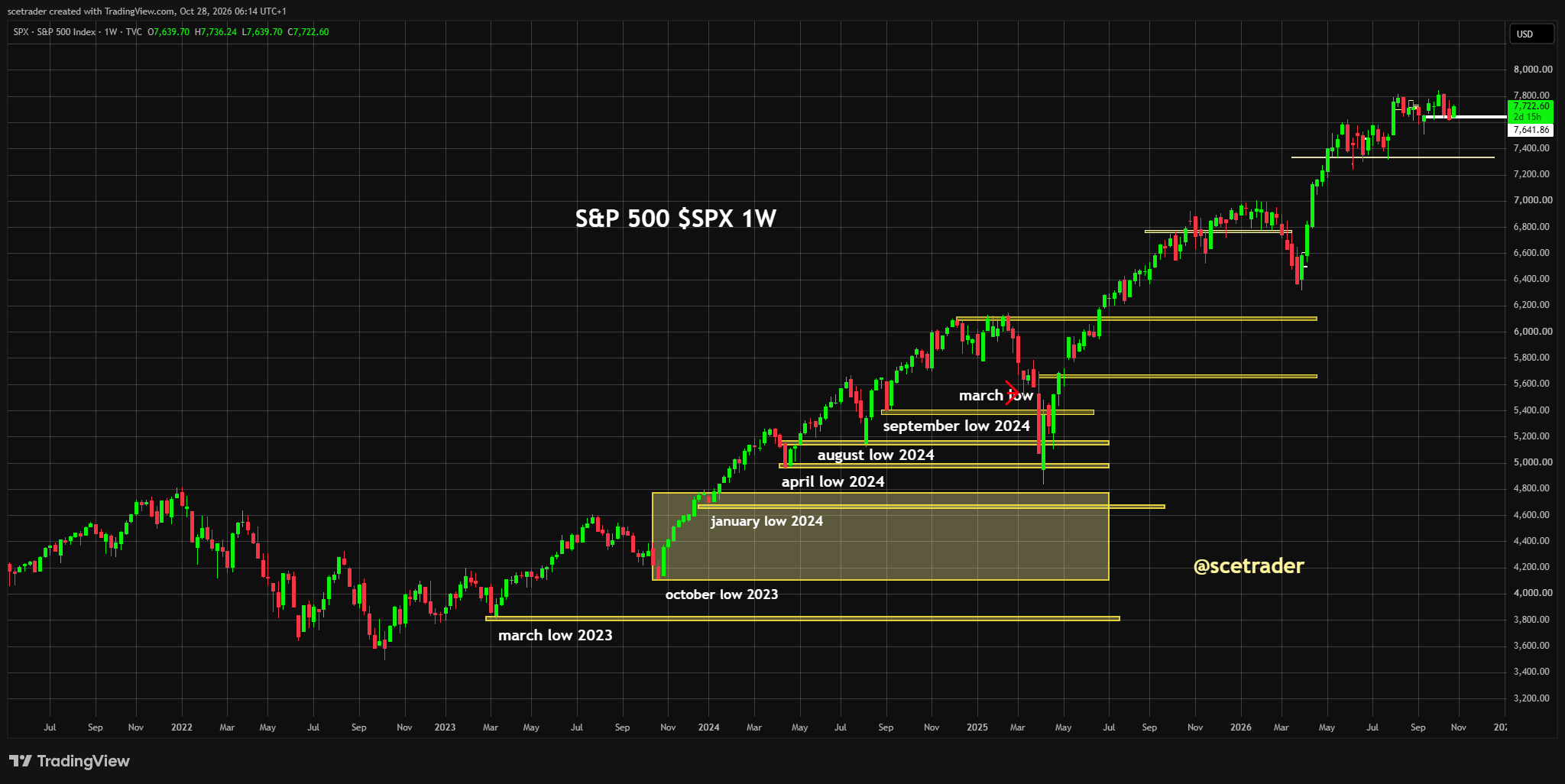
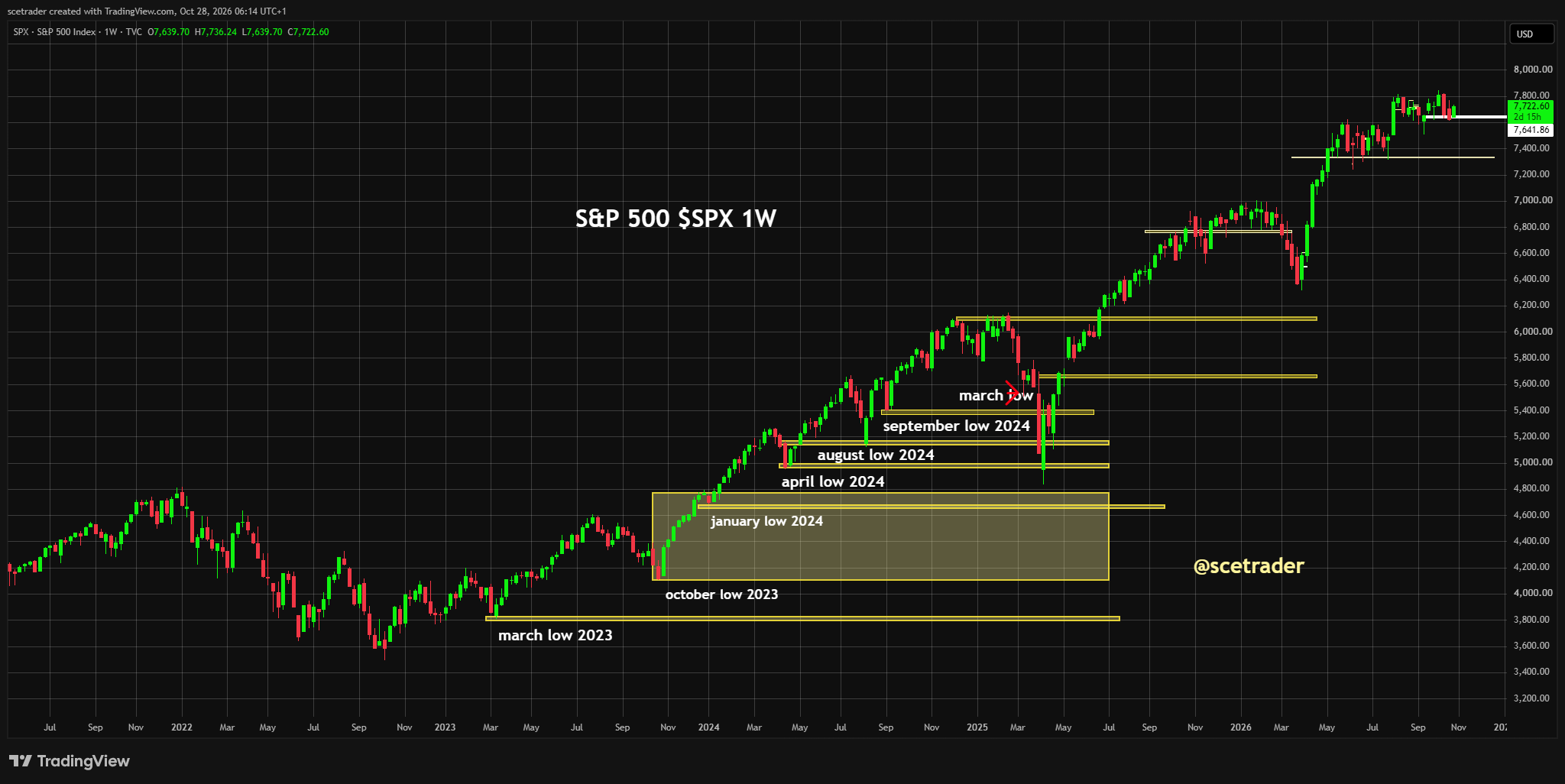
Wall Street sloot dinsdag hoger, met opnieuw een duidelijke voorsprong voor technologie. De S&P 500 won 0,60% tot 7.722,60, de Nasdaq 1,18% en de Nasdaq 100 1,29%. De Philadelphia Semiconductor Index sprong 3,60% naar 11.482,51. De Dow bleef vrijwel vlak.
De marktbreedte verbeterde, maar het beeld onder de oppervlakte is nog niet volledig gezond: op Nasdaq stonden 3.118 stijgers tegenover 1.680 dalers, terwijl 239 nieuwe 52-weeks lows nog altijd ruim boven de 62 nieuwe highs lagen.
Voor Europa is de read-through positief, maar vooral selectief. De sterkste impuls komt uit halfgeleiders en AI-infrastructuur, met daarbovenop een zeer sterke update van ASM International na het Europese slot.
Tegelijk ligt de Amerikaanse tienjaarsrente rond 4,99%, staat woensdagavond het rentebesluit van de Federal Reserve op de agenda en volgt in Europa een uitzonderlijk zware resultatendag. Lagere olie helpt transport, luchtvaart en delen van de consumentensector, terwijl energie juist relatieve kracht verliest.
Sector richting Europa
■ Sector richting Europa: hoger / selectief positief. De technologie- en chiprally, lagere olie en betere marktbreedte geven steun, maar een tienjaarsrente vlak onder 5% en het Fed-besluit later op woensdag beperken de ruimte voor een brede herwaardering.
■ AI-infrastructuur: hoger, maar selectief. De vraag naar rekenkracht, optische verbindingen, stroom en netwerkcapaciteit blijft sterk, terwijl financiering steeds nadrukkelijker wordt beoordeeld op sponsor, contractkwaliteit en kasstroom.
■ AI-accelerators: hoger. De sterke chipdag en aanhoudende investeringen in rekenkracht ondersteunen de hardwareketen, al blijft de markt na de recente correctie gevoelig voor winstnemingen.
■ Halfgeleiders: duidelijk hoger. De Amerikaanse chipindex won 3,60% en boekte daarmee opnieuw een sterke sessie, wat een directe positieve read-through geeft naar Europese chipnamen.
■ HBM en geheugen: hoger. De sterke beweging in geheugen-gerelateerde fondsen en de aanhoudende vraag naar AI-geheugen ondersteunen de sector, terwijl Aziatische geheugencijfers woensdag een nieuwe fundamentele toets geven.
■ Halfgeleiderapparatuur en lithografie: hoger. De versnelling van leading-edge investeringen en de sterke vooruitzichten bij deposition ondersteunen de bredere Europese equipmentketen, zonder dat dit één-op-één als nieuwe lithografie-order moet worden gelezen.
■ Advanced packaging en test: hoger. Meer AI-prestaties komen uit chiplets, HBM-stapeling en complexere integratie, waardoor de structurele vraag naar bonding, packaging en test sterk blijft.
■ Optische verbindingen: hoger. De Amerikaanse optische keten liet zeer sterke groei zien bij datacenter- en generatieve-AI-producten, een duidelijke steun voor Europese leveranciers aan fiber en verbindingstechnologie.
■ Netwerken en data centers: hoger. Grotere AI-clusters vragen meer bandbreedte, switching, bekabeling en fysieke infrastructuur, waardoor de netwerklaag een van de sterkere read-throughs uit de Amerikaanse sessie blijft.
■ Software: hoger, maar selectief. Software profiteerde mee van de technologiesessie, terwijl waardering, organische groei, marges en aantoonbare AI-omzet de verschillen binnen de sector blijven bepalen.
■ Cloud: hoger met groot eventrisico. De vraag naar cloudcapaciteit blijft sterk, maar de markt wacht woensdagavond op nieuwe informatie over AI-omzet en investeringsbudgetten bij de grootste Amerikaanse platforms.
■ Industrie en automatisering: hoger tot gemengd. Datacenterbouw, stroomvoorziening en automatisering ondersteunen investeringsgoederen, terwijl hoge kapitaalkosten de markt kritisch houden op rendement en vrije kasstroom.
■ Nutsbedrijven en elektriciteitsnetten: hoger tot gemengd. De structurele vraag naar extra stroom, netverzwaring en aansluiting van data centers blijft sterk, maar de lange rente rond 5% maakt financieringskosten belangrijk.
■ Defensie en luchtvaartindustrie: gemengd. De structurele ordervraag blijft hoog, maar de forse Amerikaanse koersreactie op uitvoeringsproblemen laat zien dat productie, marges en kasstroom minstens zo belangrijk zijn als het orderboek.
■ Auto en toeleveranciers: hoger tot gemengd. Sterke groei bij auto-, industrie- en communicatiechips geeft steun aan de elektronica in de sector, terwijl Europese autofabrikanten woensdag met eigen cijfers de eindvraag en marges moeten bevestigen.
■ Luchtvaartmaatschappijen: hoger tot gemengd. De daling van olie geeft verlichting aan de brandstofkant, maar het absolute prijsniveau blijft hoog en houdt de sector gevoelig voor ticketprijzen en hedges.
■ Transport en logistiek: hoger. Een sterke Amerikaanse logistieke update en lagere olie verbeteren de read-through, al blijven volumeontwikkeling en prijszetting doorslaggevend.
■ Financials en banken: gemengd. De lange rente ondersteunt delen van de inkomstenkant, maar het Fed-event en een zware Europese bankenagenda maken de sector sterk bedrijfsspecifiek.
■ Betalingen en fintech: hoger. Nieuwe betalingsdata wijzen op aanhoudende groei van volumes en grensoverschrijdende bestedingen, wat een gunstige read-through geeft naar Europese betaalbedrijven.
■ Energie en olie/gas: lager. Brent en WTI daalden bijna 2%, waardoor de sector na een periode van geopolitieke steun relatieve kracht verliest zolang de olieprijs verder terugloopt.
■ Materialen en chemie: hoger tot gemengd. Lagere olie geeft enige kostenverlichting, terwijl de positieve industriële sessie steun biedt; het nog altijd hoge energieprijsniveau voorkomt een brede margeverbetering.
■ Vastgoed: lager tot gemengd. De risicobereidheid verbeterde, maar een Amerikaanse tienjaarsrente vlak onder 5% blijft een duidelijke rem op rentegevoelige waarderingen.
■ Gezondheidszorg en farmacie: gemengd. De Amerikaanse sector bleef vrijwel vlak tot licht lager, terwijl woensdag veel bedrijfsspecifieke Europese en Amerikaanse cijfers de richting bepalen.
■ Consument en luxe: gemengd tot hoger. Lagere olie en een sterke sessie bij cyclische consumptie helpen het sentiment, maar de Europese cijfers van woensdag worden bepalend voor pricing power en volumes.
■ Telecom: gemengd. De Amerikaanse sessie gaf weinig breed signaal voor operators, waardoor de aandacht woensdag vooral uitgaat naar Europese cijfers, abonnementsgroei, prijzen en investeringsdiscipline.
■ Media en internetplatforms: gemengd. De technologiesessie biedt steun, maar hoge AI-investeringen en de financiering van nieuwe capaciteit zorgen voor grote verschillen tussen platforms.
Waan van de dag
ASM International kwam na het Europese slot met een recordkwartaal. De omzet steeg naar €1,159 miljard, 44% hoger op jaarbasis bij constante valuta. De brutomarge kwam uit op 52,0% en de aangepaste operationele marge op 33,4%. Voor het vierde kwartaal rekent de onderneming op ongeveer €1,23 miljard omzet, plus of min 5%.
Belangrijker is de meerjarenboodschap. ASM verwacht in 2027 meer dan €5,7 miljard omzet en denkt daarmee het doel dat eerder voor 2030 was gesteld al drie jaar eerder te halen. Advanced logic en foundry blijven de belangrijkste groeimotoren, met een eerste stevige bijdrage van 1,4 nanometer en aanhoudende vraag vanuit memory en HBM. De onderneming kondigde daarnaast een aandeleninkoopprogramma tot €300 miljoen aan.
Voor Europa is dit een concrete bevestiging dat de investeringscyclus aan de leading edge sterk blijft. De meest directe read-through ligt bij deposition en andere processtappen rond geavanceerde nodes. Voor de bredere keten, waaronder lithografie en advanced packaging, is het positief als signaal over de omvang van de investeringen, maar niet als bewijs van nieuwe orders bij afzonderlijke leveranciers.
AI
De AI-handel draaide dinsdag opnieuw vooral om fysieke infrastructuur. De chipindex steeg 3,60% en verschillende onderdelen van de datacenterketen trokken mee. NXP rapporteerde na het slot $3,79 miljard kwartaalomzet, 19% meer dan een jaar eerder, met een aangepaste winst per aandeel van $4,20. Automotive groeide 13%, Industrial & IoT 39% en Communication Infrastructure & Other 54%. De vrije kasstroom bedroeg $1,21 miljard.
Ook de optische laag blijft sterk. Corning meldde 44% omzetgroei bij Optical Communications tot $2,38 miljard, terwijl Enterprise Networks 84% groeide en de omzet uit generatieve-AI-producten meer dan verdubbelde. Daarmee wordt duidelijk dat de AI-cyclus zich niet beperkt tot accelerators: geheugen, optiek, networking, stroom en industriële elektronica profiteren mee.
De financieringskant vraagt meer nuance. Meta heeft zijn geplande aandelenfinanciering voor de AI-uitbouw verhoogd tot $97,5 miljard. Tegelijk onderhandelt Argentum AI volgens Reuters over ongeveer $5 miljard financiering voor chips in een Pools datacenter, waarbij een deel van de hardware wordt verhuurd aan klanten zonder investment-grade kredietstatus. De conclusie is niet dat AI-financiering opdroogt, maar dat kapitaal steeds sterker wordt geprijsd op sponsor, onderpand, contracten en de kredietkwaliteit van de uiteindelijke klant.
Software
Software bleef positief, maar duidelijk minder explosief dan de chipsector. Dat past bij de huidige markt: terugkerende omzet en hoge marges zijn aantrekkelijk, maar beleggers willen zien dat AI daadwerkelijk extra omzet oplevert en niet alleen tot hogere ontwikkelingskosten leidt. De Amerikaanse software-ETF bleef dinsdag positief, maar bleef duidelijk achter bij de chipbeweging.
Woensdag komen in Europa cijfers van Dassault Systèmes en later in de Verenigde Staten van ServiceNow. Voor de sector zijn organische groei, boekingen, marges en AI-monetisatie belangrijker dan algemene AI-retoriek. De sterke hardwarecyclus helpt ontwerp- en infrastructuursoftware, maar waardering blijft de belangrijkste rem wanneer de lange rente opnieuw boven 5% zou lopen.
Industrie en defensie
UPS steeg 5,8% nadat de onderneming de jaarverwachting verhoogde. De kwartaalomzet bedroeg $22,9 miljard, 6,7% meer dan een jaar eerder, en de nieuwe omzetverwachting voor heel 2026 ligt rond $92,6 miljard. Dat is een gunstige read-through voor logistiek en voor delen van de industrie die profiteren van sterkere bedrijfsinvesteringen.
Boeing verloor daarentegen 10,7%. De omzet steeg wel naar $24,2 miljard en de vrije kasstroom was positief op $464 miljoen, terwijl de totale backlog een record van $745 miljard bereikte. De koersreactie onderstreept echter dat de markt bij luchtvaart en defensie niet alleen naar orders kijkt: productie, marges, kwaliteit en kasconversie blijven bepalend.
Woensdag volgen onder meer GE Vernova en GE HealthCare. Vooral de eerste is relevant voor de Europese AI-infrastructuur, omdat stroomvoorziening, netten en elektrische apparatuur steeds meer een bottleneck worden bij de bouw van grote datacenters.
Financials
Financials bleven achter bij technologie. De sector krijgt woensdag een veel sterkere Europese dan Amerikaanse aanjager, met cijfers van onder meer UBS, Deutsche Bank, Santander, BNP Paribas, DWS en Standard Chartered. De combinatie van netto rente-inkomsten, kosten, kredietkwaliteit en kapitaal bepaalt daardoor waarschijnlijk meer dan de algemene indexrichting.
De Amerikaanse betalingsdata waren wel constructief. Visa rapporteerde $12,1 miljard kwartaalomzet, 13% meer dan een jaar eerder. Payment volume groeide 9%, grensoverschrijdend volume buiten transacties binnen Europa 14% en het aantal verwerkte transacties 10%. Dat ondersteunt het beeld dat consument en reizen nog voldoende activiteit genereren, ook al blijft de rente hoog.
Energie
Olie daalde dinsdag stevig. Brent stond laat in de Amerikaanse sessie rond $113,72 per vat, 1,8% lager, en WTI rond $99,83, 1,9% lager. Nieuwe diplomatieke gesprekken in het Midden-Oosten haalden een deel van de geopolitieke premie uit de markt.
De absolute olieprijs blijft echter hoog en de geopolitieke situatie is niet opgelost. Voor Europa betekent een verdere daling vooral verlichting voor luchtvaart, transport, chemie en consument. Voor olieproducenten neemt de relatieve steun juist af zolang Brent verder terugloopt. Equinor rapporteert woensdag vroeg, waardoor de Europese energiesector bovendien direct eigen nieuws krijgt.
Luchtvaart
Voor Europese airlines is de richting van de olieprijs gunstiger dan eerder in de week. Dat verlaagt de marginale brandstofdruk, al blijft Brent boven $110 hoog genoeg om hedging en ticketprijzen belangrijk te houden.
Voor de vliegtuigbouw is het signaal gemengder. Boeing liet zien dat een groot orderboek niet automatisch tot een sterke koersreactie leidt wanneer uitvoering en marges teleurstellen. Airbus publiceert zijn kwartaalcijfers woensdag om 17:45 uur Nederlandse tijd, dus na het einde van de Europese cashsessie. De koers gedurende de handelsdag zal daarom vooral vooruitlopen op productie, leveringen en vrije kasstroom.
Rente
De Amerikaanse tienjaarsrente stond rond 4,99%. Technologie en halfgeleiders konden dus stevig stijgen zonder hulp van een duidelijke rentedaling. Dat maakt de risicobereidheid sterker dan wanneer de rally alleen door lagere rentes was gedragen, maar het betekent ook dat waarderingen kwetsbaar blijven bij een nieuwe doorbraak boven 5%.
De Federal Reserve maakt woensdag om 19:00 uur Nederlandse tijd het rentebesluit bekend, gevolgd door de persconferentie om 19:30 uur. De markt rekent breed op een ongewijzigde beleidsrente van 3,75% tot 4,00%. De toon over inflatie, olie en een mogelijke volgende verhoging is daardoor belangrijker dan het besluit zelf.
Europese winst cyclus
Woensdag is een van de zwaarste Europese resultatendagen van de week. Vóór en rond de opening komen onder meer Standard Chartered, UBS, BASF, Deutsche Bank, Mercedes-Benz, Santander, BNP Paribas, Heineken, Equinor, Telenor, Dassault Systèmes, Danone, Adyen, KPN, Unilever, GSK en Stellantis met cijfers of trading updates. SK Hynix staat om 01:00 uur Nederlandse tijd op de agenda en is voor geheugen en HBM een belangrijke vroege sectorindicator.
Later op de dag volgen in de Verenigde Staten GE Vernova en GE HealthCare. Airbus publiceert om 17:45 uur, na de Europese cashsessie. Om 19:00 uur volgt de Fed en om 21:00 uur komen onder meer Alphabet en Microsoft. Daardoor kan de Europese markt positief openen op de Amerikaanse technologie-read-through, maar gedurende de dag snel uiteenvallen in winnaars en verliezers op basis van eigen cijfers.
Desk-view
De uitgangspositie voor Europa is hoger en selectief positief. De sterkste combinatie van momentum en fundamentele bevestiging ligt bij halfgeleiders, equipment, advanced packaging, optische verbindingen, networking en delen van industriële AI-infrastructuur. ASM International is de duidelijkste verse Europese katalysator, terwijl NXP en Corning laten zien dat de vraag zich breder door de fysieke AI-keten verspreidt.
Toch is dit geen onbeperkte risk-on sessie. De Nasdaq-rally had een betere breedte, maar het aantal nieuwe lows bleef hoog. De tienjaarsrente staat vlak onder 5%, de Fed volgt na de Europese sluiting en de winstkalender is uitzonderlijk zwaar. Banken, auto's, consument, healthcare en telecom kunnen daardoor snel loskomen van de indexrichting.
Energie verliest relatieve steun zolang olie daalt. Luchtvaart, logistiek en chemie krijgen juist verlichting. Voor technologie blijft de kern dat de vraag sterk is, maar dat financiering en waardering steeds meer onderscheid maken tussen bedrijven met sterke kasstromen en partijen die grote investeringen via duur kapitaal moeten blijven financieren.
English version
Semiconductor rebound accelerates as ASM raises the bar for Europe while yields and the Fed cap the broader market
© 2026 SCEtrader.nl - All rights reserved.
Wall Street closed higher on Tuesday, with technology again clearly leading. The S&P 500 gained 0.60% to 7,722.60, the Nasdaq rose 1.18% and the Nasdaq 100 advanced 1.29%. The Philadelphia Semiconductor Index jumped 3.60% to 11,482.51. The Dow was virtually flat. Market breadth improved, but the picture beneath the surface is not fully healthy yet: Nasdaq had 3,118 advancers against 1,680 decliners, while 239 new 52-week lows still far exceeded 62 new highs.
For Europe, the read-through is positive but mainly selective. The strongest impulse comes from semiconductors and AI infrastructure, reinforced by a very strong ASM International update after the European close. At the same time, the US 10-year yield is near 4.99%, the Federal Reserve decision is due Wednesday evening and Europe faces an exceptionally heavy earnings calendar. Lower oil helps transport, airlines and parts of the consumer complex, while energy loses relative strength.
Sector direction for Europe
■ Sector direction for Europe: higher / selectively positive. The technology and semiconductor rally, lower oil and better breadth are supportive, but a 10-year yield just below 5% and the Fed decision later on Wednesday limit the scope for a broad re-rating.
■ AI infrastructure: higher, but selective. Demand for compute, optical connectivity, power and network capacity remains strong, while financing is increasingly judged on sponsor quality, contracts and cash flow.
■ AI accelerators: higher. The strong semiconductor session and continued spending on compute support the hardware chain, although the recent correction leaves the sector sensitive to profit-taking.
■ Semiconductors: clearly higher. The US semiconductor index gained 3.60%, providing a direct positive read-through to European chip names.
■ HBM and memory: higher. Strong moves in memory-related assets and sustained demand for AI memory support the sector, while Asian memory earnings on Wednesday provide another fundamental test.
■ Semiconductor equipment and lithography: higher. Accelerating leading-edge investment and a strong deposition outlook support the broader European equipment chain, without implying a one-for-one new lithography order signal.
■ Advanced packaging and test: higher. More AI performance is being extracted from chiplets, HBM stacking and complex integration, keeping structural demand for bonding, packaging and test strong.
■ Optical connectivity: higher. The US optical chain showed very strong growth in data-center and generative-AI products, supporting European suppliers of fiber and connectivity technology.
■ Networks and data centers: higher. Larger AI clusters require more bandwidth, switching, cabling and physical infrastructure, keeping the network layer among the stronger US-to-Europe read-throughs.
■ Software: higher, but selective. Software participated in the technology rally, while valuation, organic growth, margins and demonstrable AI revenue continue to separate winners from laggards.
■ Cloud: higher with major event risk. Demand for cloud capacity remains strong, but the market is waiting for fresh evidence on AI revenue and investment budgets from the largest US platforms on Wednesday evening.
■ Industrials and automation: higher to mixed. Data-center construction, power supply and automation support capital goods, while high financing costs keep investors focused on returns and free cash flow.
■ Utilities and power grids: higher to mixed. Structural demand for additional power, grid reinforcement and data-center connections remains strong, but a long yield near 5% makes financing costs important.
■ Defence and aerospace: mixed. Structural order demand remains strong, but the sharp US reaction to execution problems shows that production, margins and cash flow matter as much as backlog.
■ Autos and suppliers: higher to mixed. Strong growth in automotive, industrial and communications chips supports electronics demand, while European carmakers must confirm end demand and margins with their own results on Wednesday.
■ Airlines: higher to mixed. Lower oil provides fuel-cost relief, but the absolute price level remains high and keeps the sector sensitive to ticket pricing and hedges.
■ Transport and logistics: higher. A strong US logistics update and lower oil improve the read-through, although volumes and pricing remain decisive.
■ Financials and banks: mixed. Long yields support parts of the revenue mix, but the Fed event and a heavy European bank calendar make the sector highly company-specific.
■ Payments and fintech: higher. Fresh payments data point to continued growth in volumes and cross-border spending, supporting the read-through to European payment companies.
■ Energy and oil/gas: lower. Brent and WTI fell almost 2%, reducing relative support for the sector as long as crude continues to retreat.
■ Materials and chemicals: higher to mixed. Lower oil offers some cost relief and the positive industrial session helps sentiment, but the still-high absolute energy price limits broad margin improvement.
■ Real estate: lower to mixed. Risk appetite improved, but a US 10-year yield just below 5% remains a clear constraint on rate-sensitive valuations.
■ Health care and pharmaceuticals: mixed. The US sector was roughly flat to slightly lower, while a large number of company-specific European and US results will drive direction on Wednesday.
■ Consumer and luxury: mixed to higher. Lower oil and a stronger consumer-discretionary session help sentiment, but Wednesday's European earnings will be decisive for pricing power and volumes.
■ Telecom: mixed. The US session provided little broad signal for operators, shifting Wednesday's focus to European results, subscriber growth, pricing and investment discipline.
■ Media and internet platforms: mixed. The technology rally is supportive, but high AI spending and the funding of new capacity are creating large differences between platforms.
Theme of the day
ASM International delivered a record quarter after the European close. Revenue rose to €1.159 billion, up 44% year on year at constant currencies. Gross margin was 52.0% and adjusted operating margin reached 33.4%. For the fourth quarter, the company expects revenue of roughly €1.23 billion, plus or minus 5%.
The more important message is the multi-year outlook. ASM expects more than €5.7 billion of revenue in 2027 and believes it will reach the target previously set for 2030 three years early. Advanced logic and foundry remain the main growth engines, with a meaningful first contribution from 1.4 nanometer and continued demand from memory and HBM. The company also announced a share buyback of up to €300 million.
For Europe, this is a concrete confirmation that leading-edge investment remains strong. The most direct read-through is to deposition and other process steps around advanced nodes. For the broader chain, including lithography and advanced packaging, it is positive as a signal on investment intensity, but not evidence of new orders at individual suppliers.
AI
The AI trade on Tuesday again centered on physical infrastructure. The semiconductor index gained 3.60% and several parts of the data-center chain advanced with it. NXP reported quarterly revenue of $3.79 billion after the close, up 19% year on year, with adjusted earnings per share of $4.20. Automotive grew 13%, Industrial & IoT 39% and Communication Infrastructure & Other 54%. Free cash flow was $1.21 billion.
The optical layer also remains strong. Corning reported 44% sales growth in Optical Communications to $2.38 billion, while Enterprise Networks grew 84% and generative-AI product sales more than doubled. The AI cycle is therefore extending beyond accelerators into memory, optics, networking, power and industrial electronics.
Financing requires more nuance. Meta has increased its planned equity financing for its AI build-out to $97.5 billion. At the same time, Reuters reported that Argentum AI is in talks for roughly $5 billion of financing for chips at a Polish data center, with some of the hardware intended for customers without investment-grade credit ratings. The conclusion is not that AI financing is disappearing, but that capital is increasingly priced according to sponsor quality, collateral, contracts and the credit quality of the end customer.
Software
Software remained positive, but clearly less explosive than semiconductors. That fits the current market: recurring revenue and high margins are attractive, but investors want evidence that AI creates incremental revenue rather than simply higher development costs.
Dassault Systèmes reports in Europe on Wednesday and ServiceNow reports later in the US. Organic growth, bookings, margins and AI monetisation matter more than general AI rhetoric. The strong hardware cycle helps design and infrastructure software, but valuation remains the main constraint if long yields move back above 5%.
Industrials and defence
UPS rose 5.8% after raising its full-year outlook. Quarterly revenue was $22.9 billion, up 6.7% year on year, and the new full-year 2026 revenue outlook is around $92.6 billion. That is a constructive read-through for logistics and for parts of the industrial complex benefiting from stronger business investment.
Boeing, by contrast, fell 10.7%. Revenue still rose to $24.2 billion and free cash flow was positive at $464 million, while total backlog reached a record $745 billion. The market reaction underlines that aerospace and defence investors are not looking at orders alone: production, margins, quality and cash conversion remain critical.
GE Vernova and GE HealthCare report on Wednesday. The former is particularly relevant for European AI infrastructure because power supply, grids and electrical equipment are increasingly becoming bottlenecks in large data-center projects.
Financials
Financials lagged technology. The sector has a much stronger European than US catalyst on Wednesday, with results from UBS, Deutsche Bank, Santander, BNP Paribas, DWS and Standard Chartered among others. Net interest income, costs, asset quality and capital are therefore likely to matter more than the broad index direction.
US payments data were constructive. Visa reported quarterly revenue of $12.1 billion, up 13% year on year. Payments volume grew 9%, cross-border volume excluding intra-Europe transactions rose 14%, and processed transactions increased 10%. That supports the view that consumer and travel activity remain healthy enough despite high interest rates.
Energy
Oil fell sharply on Tuesday. Brent traded late in the US session around $113.72 a barrel, down 1.8%, while WTI was around $99.83, down 1.9%. Renewed diplomatic talks in the Middle East removed part of the geopolitical premium.
The absolute oil price remains high and the geopolitical situation is not resolved. For Europe, a further decline would mainly help airlines, transport, chemicals and consumers. Oil producers lose relative support as long as Brent moves lower. Equinor reports early on Wednesday, giving the European energy sector an immediate company-specific catalyst.
Aviation
For European airlines, the direction of oil is more favorable than earlier in the week. It reduces marginal fuel pressure, although Brent above $110 remains high enough to keep hedging and ticket pricing important.
For aircraft manufacturing, the signal is more mixed. Boeing showed that a large backlog does not automatically translate into a positive equity reaction when execution and margins disappoint. Airbus reports quarterly results at 17:45 CET on Wednesday, after the European cash close. During the session, the stock will therefore trade mainly on expectations for production, deliveries and free cash flow.
Rates
The US 10-year yield stood around 4.99%. Technology and semiconductors were able to rally sharply without help from a clear decline in yields. That makes the risk appetite more meaningful than a rally driven purely by falling rates, but valuations remain vulnerable if the 10-year breaks back above 5%.
The Federal Reserve announces its decision at 19:00 CET on Wednesday, followed by the press conference at 19:30 CET. Markets broadly expect the target range to remain unchanged at 3.75% to 4.00%. Guidance on inflation, oil and the possibility of another hike is therefore more important than the rate decision itself.
European earnings cycle
Wednesday is one of the heaviest European earnings days of the week. Before and around the open, Standard Chartered, UBS, BASF, Deutsche Bank, Mercedes-Benz, Santander, BNP Paribas, Heineken, Equinor, Telenor, Dassault Systèmes, Danone, Adyen, KPN, Unilever, GSK and Stellantis are among the companies due to report earnings or trading updates. SK Hynix is scheduled for 01:00 CET and will provide an important early signal for memory and HBM.
Later in the day, GE Vernova and GE HealthCare report in the US. Airbus reports at 17:45 CET after the European cash session. The Fed follows at 19:00 CET, while Alphabet and Microsoft report at 21:00 CET. Europe can therefore open on a positive US technology read-through, but the market may quickly split into winners and losers as company-specific numbers arrive.
Desk view
The starting point for Europe is higher and selectively positive. The strongest combination of momentum and fundamental confirmation is in semiconductors, equipment, advanced packaging, optical connectivity, networking and selected parts of industrial AI infrastructure. ASM International is the clearest fresh European catalyst, while NXP and Corning show that demand is spreading across the physical AI chain.
This is not an unlimited risk-on session. Nasdaq breadth improved, but the number of new lows remained high. The US 10-year yield is just below 5%, the Fed follows after the European close and the earnings calendar is exceptionally heavy. Banks, autos, consumer, health care and telecom can therefore decouple quickly from the index direction.
Energy loses relative support as long as oil declines. Airlines, logistics and chemicals receive some relief. For technology, the central message is that demand remains strong, but financing and valuation are increasingly separating companies with strong cash flows from those that must keep funding very large investment programs with expensive capital.
Disclaimer Aan de door ons opgestelde informatie kan op geen enkele wijze rechten worden ontleend. Alle door ons verstrekte informatie en analyses zijn geheel vrijblijvend. Alle consequenties van het op welke wijze dan ook toepassen van de informatie blijven volledig voor uw eigen rekening.
Wij aanvaarden geen aansprakelijkheid voor de mogelijke gevolgen of schade die zouden kunnen voortvloeien uit het gebruik van de door ons gepubliceerde informatie. U bent zelf eindverantwoordelijk voor de beslissingen die u neemt met betrekking tot uw beleggingen.


