Obligaties en de Bessent Twist: Treasury kan bijna $1 biljoen inzetten - Gevolgen
Geen tijd om het volledige artikel te lezen? Gebruik dan de vijf onderstaande bullets voor de belangrijkste punten.
■ De Amerikaanse Treasury kan mogelijk de Treasury General Account gebruiken om grotere buybacks van langlopende staatsobligaties te financieren.
■ Dat oogt op korte termijn positief, omdat extra vraag naar Treasuries de lange rente tijdelijk kan drukken. Zie ook dit bericht.
■ Het echte probleem verandert niet: de Amerikaanse staatsschuld, het begrotingstekort en de rentelasten blijven hoog.
■ Als beleggers dit zien als financiële engineering, kan het vertrouwen juist afnemen en kan de term premium stijgen.
■ Onze Investment view is voorzichtig: dit kan kortstondig risk-on werken, maar wij zien het niet als duurzame oplossing.
De Amerikaanse Treasury kijkt volgens CNBC naar de Treasury General Account als mogelijke bron om grotere buybacks van langlopende staatsobligaties te financieren. Die rekening is de kaspositie van de Amerikaanse overheid bij de Federal Reserve en zou rond $950 miljard liggen. Treasury heeft de buybacks van langere off-the-run Treasuries al verhoogd van $2 miljard naar minimaal $4 miljard per operatie, terwijl Scott Bessent heeft aangegeven dat de omvang groter kan worden.
Op het eerste gezicht klinkt dit gunstig. Als Treasury langlopende obligaties terugkoopt, ontstaat extra vraag aan de lange kant van de rentecurve. Dat kan de 10- en 30-jaarsrente tijdelijk omlaag duwen. Voor aandelen is dat prettig, omdat lagere rentes waarderingen helpen en vooral groeiaandelen minder onder druk zetten.
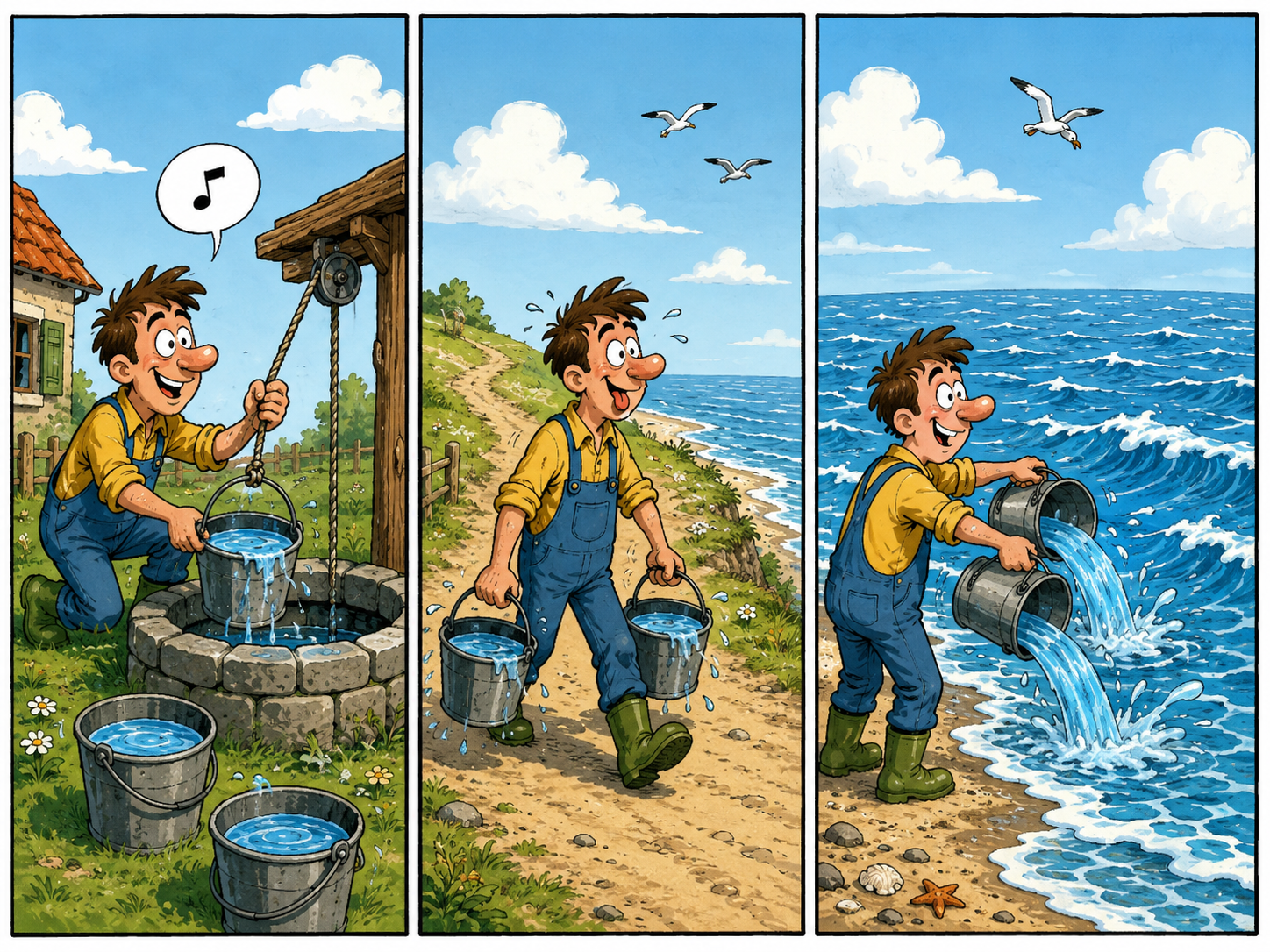
Maar dit is geen structurele oplossing. Een buyback kan de markt tijdelijk kalmeren, maar hij verlaagt de staatsschuld niet, verkleint het begrotingstekort niet en maakt de rentelasten niet vanzelf draaglijker.
Investment view
Onze Investment view is voorzichtig. De Bessent Twist kan op korte termijn positief uitpakken voor Treasuries en aandelen. Meer vraag naar langlopende obligaties kan yields drukken en een technische opluchtingsrally veroorzaken. Vooral technologie, AI-infrastructuur en andere rentegevoelige sectoren kunnen daarvan profiteren.
Toch zien wij dit niet als duurzaam bullish signaal. De Treasury kan de samenstelling en timing van schuldbeheer beïnvloeden, maar zij verandert daarmee niet de onderliggende begrotingspositie van de Verenigde Staten.
Daar zit het risico. Als beleggers dit zien als ordelijk schuldbeheer, kan de markt tijdelijk ontspannen. Als zij het zien als een poging om de lange rente kunstmatig te sturen, kan het vertrouwen juist afnemen. In dat geval vragen beleggers een hogere vergoeding om langlopende Amerikaanse schuld aan te houden.
De maatregel ziet er dus eerst goed uit, maar kan later verkeerd vallen wanneer de markt concludeert dat het echte probleem niet wordt aangepakt.
Waarom de eerste reactie positief kan zijn
De eerste reactie van markten kan logisch positief zijn. Treasury creëert extra vraag naar langlopende staatsobligaties. Daardoor kan de rente tijdelijk dalen, zeker wanneer markten dun zijn en veel beleggers al nerveus zijn over de stijging van yields.
Het mogelijke gebruik van de Treasury General Account versterkt dat effect. Als bestaande kasmiddelen worden ingezet, hoeft de markt niet meteen extra kortlopende uitgifte te absorberen. Daardoor lijkt Bessent meer vuurkracht te hebben dan beleggers eerder dachten.
Voor aandelen kan dat een duidelijke opluchting zijn. Een lagere 10-jaarsrente maakt toekomstige winsten meer waard in de modellen van beleggers. Dat helpt vooral sectoren die gevoelig zijn voor discontovoeten.
Waarom het echte probleem blijft bestaan
De kern is dat de Verenigde Staten nog steeds met een hoge schuld, grote tekorten en zware rentelasten zitten. Een buyback verandert de vorm van de financiering, maar niet de omvang van de financieringsbehoefte.
Als de Treasury langlopende obligaties koopt, verdwijnen die stukken tijdelijk uit de markt. Maar de overheid moet haar tekorten nog steeds financieren. Als de kasbuffer later opnieuw moet worden aangevuld, komt er alsnog extra uitgifte.
Daarom is de Treasury General Account geen gratis geld. Het is een buffer. Die buffer kan worden gebruikt om marktdruk tijdelijk te verzachten, maar niet om de schuldpositie structureel te verbeteren.
Waar het mis kan gaan
De kwetsbaarheid zit in geloofwaardigheid.
Obligatiebeleggers accepteren hoge schulden zolang zij vertrouwen hebben in groei, inflatiebeheersing, begrotingsdiscipline en voorspelbaar schuldbeheer. Als zij het gevoel krijgen dat de overheid vooral probeert rentes te sturen zonder het tekort aan te pakken, kan de markt juist harder worden.
Dan stijgt de term premium. Dat is de extra vergoeding die beleggers vragen voor het risico van langlopende obligaties. Een hogere term premium betekent hogere lange rentes, ook als de Treasury tijdelijk obligaties terugkoopt.
Dat is het gevaar van de Bessent Twist. De eerste beweging kan rente omlaag zijn. De tweede beweging kan rente omhoog zijn wanneer beleggers de maatregel lezen als teken dat Washington zich zorgen maakt over de financierbaarheid van de schuld.
Wat beleggers moeten volgen
De belangrijkste vraag is wat er gebeurt na de eerste daling van yields. Als de 10- en 30-jaarsrente lager blijven zonder dat goud, dollar of inflatieverwachtingen waarschuwen voor vertrouwensverlies, kan de operatie tijdelijk werken.
Als yields snel terugveren, is dat een negatief signaal. Dan zegt de markt eigenlijk dat buybacks onvoldoende zijn om het schuldprobleem te compenseren.
Voor aandelen betekent dit dat een rally kwetsbaar blijft. Technologie en groeiaandelen kunnen profiteren van lagere rentes, maar dat voordeel verdwijnt wanneer de obligatiemarkt opnieuw hogere compensatie eist.
Strategie
Wij zouden deze ontwikkeling tactisch serieus nemen, maar strategisch niet overschatten.
Een tijdelijke rentedaling kan kansen geven in rentegevoelige aandelen. Toch is dit geen reden om agressief achter een eerste rally aan te lopen. De onderliggende schuldvraag is namelijk niet opgelost.
Voor obligaties is het beeld gemengd. Buybacks kunnen liquiditeit verbeteren en de lange kant van de curve tijdelijk steunen. Een duurzame daling van yields vraagt echter meer: vertrouwen in inflatie, begrotingsbeleid, uitgifte en het toekomstige schuldpad.
Voor portefeuilles betekent dit dat wij vooral letten op de 10-jaarsrente, de 30-jaarsrente, de dollar, goud en de reactie van groeiaandelen. Als de markt de Bessent Twist accepteert, kan risk-on kort doorlopen. Als de rente snel terugveert, wordt dit eerder een waarschuwing dan een steunpilaar.
Conclusie
De Bessent Twist ziet er op het eerste gezicht positief uit. Grotere buybacks en mogelijk gebruik van de Treasury General Account kunnen de lange rente tijdelijk drukken en aandelenmarkten steun geven.
Maar het echte probleem blijft bestaan. De Amerikaanse staatsschuld is hoog, het begrotingstekort is groot en de rentelasten blijven zwaar. Een buyback kan de marktstructuur beïnvloeden, maar geen begrotingsprobleem oplossen.
Onze Investment view is daarom voorzichtig. Dit kan kortstondig positief zijn voor Treasuries en aandelen, maar als beleggers het zien als financiële engineering zonder structurele begrotingsdiscipline, kan de term premium uiteindelijk juist verder stijgen.
English version
Bessent Twist: temporary market support, but no solution to America’s debt problem
No time to read the full article? Use the five bullets below for the key points.
■ The US Treasury may use the Treasury General Account to fund larger buybacks of long-dated government bonds.
■ That looks positive in the short term because additional demand for Treasuries can temporarily lower long-term yields.
■ The real problem does not change: US government debt, the fiscal deficit and interest costs remain high.
■ If investors view this as financial engineering, confidence can weaken and the term premium may rise.
■ Our Investment view is cautious: this can support risk appetite briefly, but we do not see it as a durable solution.
According to CNBC, the US Treasury is looking at the Treasury General Account as a possible funding source for larger buybacks of long-dated government bonds. That account is the federal government’s cash balance at the Federal Reserve and is said to be around $950 billion. Treasury has already raised buybacks of longer off-the-run Treasuries from $2 billion to at least $4 billion per operation, while Scott Bessent has indicated that the size could become larger.
At first glance, this sounds constructive. If Treasury buys long-dated bonds, it creates additional demand at the long end of the curve. That can temporarily push the 10- and 30-year yields lower. For equities, that is helpful because lower rates support valuations, especially in growth stocks.
But this is not a structural solution. A buyback can calm the market temporarily, but it does not reduce government debt, shrink the fiscal deficit or make interest costs automatically manageable.
Investment view
Our Investment view is cautious.
The Bessent Twist can be positive for Treasuries and equities in the short term. Additional demand for long-dated bonds can push yields lower and trigger a technical relief rally. Technology, AI infrastructure and other rate-sensitive sectors can benefit from that.
Still, we do not see this as a durable bullish signal. Treasury can influence the composition and timing of debt management, but it does not change the underlying fiscal position of the United States.
That is the risk. If investors view this as orderly debt management, markets can relax temporarily. If they see it as an attempt to steer long-term yields artificially, confidence can weaken. In that case, investors demand higher compensation to hold long-dated US debt.
The measure therefore looks good at first, but can turn negative later if the market concludes that the real problem is not being addressed.
Why the first reaction can be positive
The first market reaction can make sense. Treasury creates additional demand for long-dated government bonds. That can temporarily push yields lower, especially in thin markets where investors are already nervous about rising rates.
The possible use of the Treasury General Account strengthens that effect. If existing cash is used, the market does not immediately need to absorb additional short-term issuance. That makes Bessent appear to have more firepower than investors previously assumed.
For equities, this can bring clear relief. A lower 10-year yield makes future earnings more valuable in investors’ models. That mainly helps sectors sensitive to discount rates.
Why the real problem remains
The core issue is that the United States still faces high debt, large deficits and heavy interest costs. A buyback changes the form of financing, but not the size of the financing need.
If Treasury buys long-dated bonds, those securities temporarily leave the market. But the government still needs to fund its deficits. If the cash buffer later has to be rebuilt, additional issuance returns.
The Treasury General Account is therefore not free money. It is a buffer. That buffer can be used to soften market pressure for a while, but it cannot structurally improve the debt position.
Where it can go wrong
The vulnerability lies in credibility.
Bond investors tolerate high debt as long as they trust growth, inflation control, fiscal discipline and predictable debt management. If they believe the government is mainly trying to steer yields without addressing the deficit, the market can become less forgiving.
Then the term premium rises. That is the additional compensation investors require for holding long-dated bonds. A higher term premium means higher long-term yields, even if Treasury is temporarily buying bonds.
That is the danger of the Bessent Twist. The first move can be lower yields. The second move can be higher yields if investors interpret the measure as a sign that Washington is worried about financing the debt.
What investors should watch
The key question is what happens after the first decline in yields. If the 10- and 30-year yields remain lower without gold, the dollar or inflation expectations warning of weaker confidence, the operation can work temporarily.
If yields rebound quickly, that is a negative signal. It means the market is saying that buybacks are not enough to offset the debt problem.
For equities, this means any rally remains fragile. Technology and growth stocks can benefit from lower rates, but that advantage disappears if the bond market demands higher compensation again.
Strategy
We would take this development seriously tactically, but not overestimate it strategically.
A temporary decline in yields can create opportunities in rate-sensitive equities. Still, this is not a reason to aggressively chase the first rally. The underlying debt question has not been solved.
For bonds, the picture is mixed. Buybacks can improve liquidity and support the long end of the curve temporarily. A durable decline in yields requires more: confidence in inflation, fiscal policy, issuance and the future debt path.
For portfolios, we mainly watch the 10-year yield, the 30-year yield, the dollar, gold and the reaction of growth stocks. If the market accepts the Bessent Twist, risk-on can continue briefly. If yields rebound quickly, this becomes more of a warning than a support pillar.
Conclusion
The Bessent Twist looks positive at first. Larger buybacks and possible use of the Treasury General Account can temporarily lower long-term yields and support equity markets.
But the real problem remains. US government debt is high, the fiscal deficit is large and interest costs remain heavy. A buyback can influence market structure, but it cannot solve a fiscal problem.
Our Investment view is therefore cautious. This can be positive for Treasuries and equities in the short term, but if investors view it as financial engineering without structural fiscal discipline, the term premium may ultimately rise further.
Disclaimer Aan de door ons opgestelde informatie kan op geen enkele wijze rechten worden ontleend. Alle door ons verstrekte informatie en analyses zijn geheel vrijblijvend. Alle consequenties van het op welke wijze dan ook toepassen van de informatie blijven volledig voor uw eigen rekening.
Wij aanvaarden geen aansprakelijkheid voor de mogelijke gevolgen of schade die zouden kunnen voortvloeien uit het gebruik van de door ons gepubliceerde informatie. U bent zelf eindverantwoordelijk voor de beslissingen die u neemt met betrekking tot uw beleggingen.


