🎨 Marktoverzicht: Franse rente - GBL - AED - RAND - META - NVDA - ENX - EDEN en meer
Hieronder een overzicht van de belangrijkste ontwikkelingen van vanochtend, kort en zakelijk samengevat.
Wil je alle artikelen kunnen lezen en elke podcast beluisteren? Neem dan een abonnement en krijg toegang tot alle artikelen en de database met duizenden berichten
■ Richting Europa: Europa ligt richting Wall Street hoger, maar de handel voelt lusteloos. De AEX wint ongeveer 0,2%, de CAC 40 0,5%, de DAX 0,6% en de BEL20 circa 0,3%. Dat oogt netjes, maar echte swing ontbreekt. De markt wacht inmiddels vooral op de Amerikaanse opening en op de vraag of technologie daar opnieuw kopers aantrekt.
■ Europa: de Europese indices blijven opvallend goed liggen, maar onder de oppervlakte lopen de bewegingen enorm uiteen. Randstad, EssilorLuxottica en enkele chippers stijgen stevig, terwijl Carrefour en Michelin hard onderuitgaan. Het is daarmee geen brede risk-on markt, maar een markt waarin cijfers, rente en individuele verhalen veel belangrijker zijn dan de index alleen.
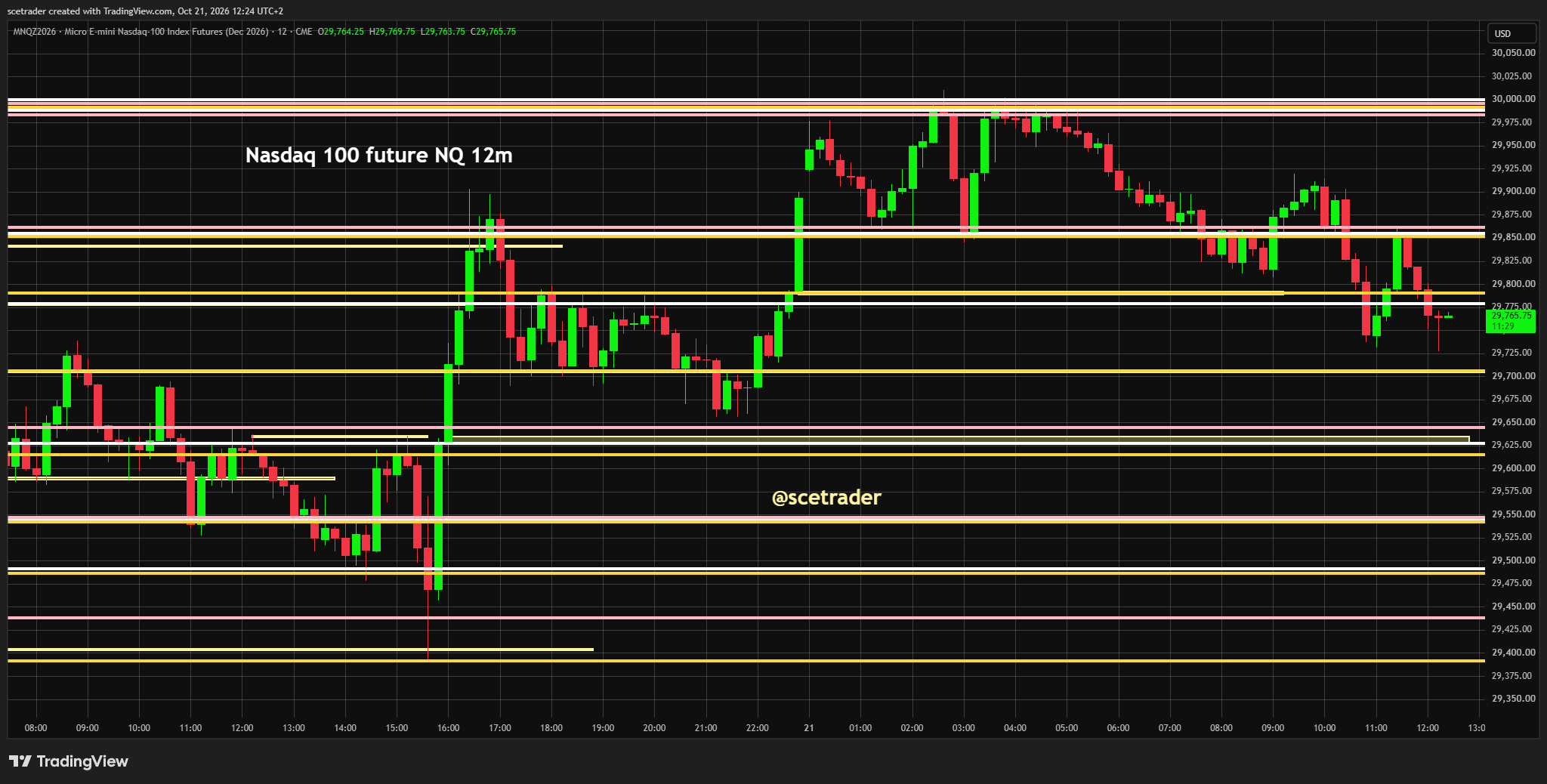
■ Nasdaq 100 / Amerikaanse futures: de S&P 500-future staat ongeveer 0,1% hoger en de Nasdaq 100-future circa 0,3%. Sinds vannacht is het patroon bij de Nasdaq-future juist wat neerwaarts geworden en boven de markt ligt een dijk van weerstand. Daar kan de future best doorheen, maar wij willen eerst zien of dat vandaag werkelijk gebeurt. Het kan ook zijn dat eerst lagere liquiditeit wordt gezocht en pas daarna opnieuw kopers verschijnen. Daarom kijken wij vooral naar wat er ná de Amerikaanse opening gebeurt.
■ Wall Street: dinsdag werkte de Amerikaanse markt zich vanaf lagere niveaus opnieuw omhoog. De ondertoon blijft daardoor beter dan het oppervlakkige beeld soms doet vermoeden, maar de markt blijft zoekende. Wij willen vanmiddag vooral zien of kopers opnieuw op zwakte verschijnen of dat iedere rally tegen de bovenkant van de range meteen weer wordt verkocht.
■ Franse rente / ECB: de Franse tienjaarsrente heeft vandaag daadwerkelijk 5% bereikt en noteerde rond 5,001%, ongeveer 8 basispunten hoger en op het hoogste niveau sinds 2002. De Griekse tienjaarsrente ligt met ongeveer 4,42% inmiddels lager dan Frankrijk. Dat is een ontwikkeling waar wij scherp op blijven letten. Uiteindelijk heeft de ECB instrumenten om de Franse obligatiemarkt te ondersteunen wanneer het echt misgaat, maar dan ontstaat meteen de fundamentele vraag waarom andere eurolanden indirect moeten opdraaien voor een land dat zijn begroting niet op orde krijgt. Frankrijk is te groot om te laten ontsporen, maar dat betekent niet dat de huidige beweging zonder risico is.
■ Carrefour: Carrefour verliest inmiddels ongeveer 14,2% na de winstwaarschuwing als gevolg van de rellen en plunderingen in Frankrijk. De onrust raakt winkels, omzet, marges en vrije kasstroom rechtstreeks. De rellen hakken er dus echt in en Carrefour is daarmee het duidelijkste voorbeeld van hoe de maatschappelijke onrust inmiddels in bedrijfsresultaten terechtkomt. Wij trekken dat niet automatisch door naar Ahold Delhaize, dat een veel sterkere positie in de Verenigde Staten heeft en operationeel anders is gepositioneerd.
■ SpaceX: SpaceX staat voorbeurs ongeveer 8,5% hoger. De markt koopt opnieuw de magie van Elon Musk, inclusief zijn zeer ambitieuze uitspraak dat SpaceX in 2027 richting $500 miljard tot $1 biljoen aan annualised revenue kan gaan. Dat lijkt buitengewoon moeilijk te realiseren, maar de markt trekt zich daar voorlopig weinig van aan. Wij hebben op lange termijn veel vertrouwen in Musk en SpaceX. De vraag voor vandaag is vooral of die 8,5% winst na de Amerikaanse opening ook daadwerkelijk blijft staan.
■ Tesla / SpaceX: Musk ziet een combinatie van Tesla en SpaceX duidelijk zitten en er wordt inmiddels serieus naar zo'n constructie gekeken. Strategisch zou een combinatie een uitzonderlijk breed platform opleveren rond AI, robotica, energie, infrastructuur en ruimtevaart. Tesla heeft vandaag echter nog geen kwartaalcijfers gepubliceerd en rapporteert pas later. De huidige koersbeweging mag dus niet worden uitgelegd als een reactie op resultaten die nog niet zijn verschenen.
■ Meta: Meta komt vanavond met cijfers. Wij verwachten dat die cijfers waarschijnlijk goed zullen zijn, maar dat is niet de belangrijkste vraag. Belangrijker is of de markt goede cijfers ook daadwerkelijk beloont. In deze markt zien we regelmatig dat een bedrijf prima rapporteert en het aandeel toch niet omhoog gaat omdat verwachtingen al hoog liggen.
■ NVIDIA GTC Berlin: Jensen Huang legt bij GTC Berlin opnieuw uit dat AI veel breder is dan alleen chips. Energie, chips, AI factories, modellen en toepassingen vormen samen de keten. NVIDIA heeft het afgelopen jaar bijna $10 miljard in Europa geïnvesteerd en noemt onder meer Schneider Electric, Siemens en Siemens Energy als belangrijke Europese namen binnen die infrastructuur. Dat bevestigt dat de volgende fase van AI steeds meer over stroom, netwerken en fysieke infrastructuur gaat.
■ AI-infrastructuur: de beperking bij AI verschuift steeds meer van alleen chips en financiering naar stroom, netaansluitingen en koeling. Dat is belangrijk, omdat een contract of geplande datacenteruitbreiding weinig waard is wanneer de elektriciteit niet op tijd beschikbaar is. Voor bedrijven rond grids, energievoorziening, transformatoren en koeling kan dat juist een structurele groeimotor worden.
■ NEXTDC: NEXTDC verloor in Australië 44% nadat een vertraagde netaansluiting ervoor zorgde dat grote hoeveelheden gecontracteerde omzet naar een later jaar moesten worden doorgeschoven. Dat laat perfect zien waar het nieuwe AI-risico zit. Je kunt klanten, contracten en vraag hebben, maar zonder stroom kun je niet leveren.
■ Supermicro: Supermicro blijft een sterk signaal voor de vraag naar AI-systemen nadat het de voorlopige omzetverwachting fors verhoogde en ook een duidelijk hogere brutomarge voorziet. De koers reageert daar sterk op. Wij blijven zelf echter weg van het aandeel vanwege de beladen geschiedenis rond accounting, governance en interne financiële controles. Dat een aandeel hard kan stijgen betekent niet automatisch dat wij het willen bezitten.
■ Anthropic: de cijfers rond Anthropic laten zien hoe extreem de AI-groei is, maar ook hoeveel geld daarvoor nodig is. Het enorme gemelde nettoverlies wordt voor een groot deel veroorzaakt door non-cash boekhoudkundige lasten, maar de feitelijke uitgaven aan compute blijven eveneens enorm. Het onderstreept precies onze visie: AI verandert de wereld, maar daar staan gigantische investeringen tegenover.
■ CoreWeave / neoclouds: CoreWeave blijft een middelpunt in de discussie over neoclouds en AI-financiering. Goldman Sachs kwam eerder deze week met een bullish rapport, maar de koers ging daar uiteindelijk nauwelijks op omhoog. HSBC vindt het aandeel juist nog steeds veel te duur. Dat zegt veel over deze markt. Beleggers geloven wel in AI, maar zijn veel kritischer geworden over schuld, waardering en hoeveel geld er voortdurend bij moet.
■ AI: wij blijven erbij dat AI onze complete wereld gaat veranderen. Tegelijk gaat het net als tijdens de dotcombubbel niet zo zijn dat ieder bedrijf dat nu tientallen miljarden investeert automatisch een winnaar wordt. Een deel gaat het simpelweg niet redden. Dat verandert niets aan de technologische revolutie zelf, maar maakt selectie in aandelen des te belangrijker.
■ Howard Marks / AI: Howard Marks ziet nog geen klassieke AI-bubbel. Zijn belangrijkste argument blijft dat iedereen voortdurend spreekt over waarderingen, financiering en mogelijke risico's. In een echte bubbel verdwijnen die twijfels meestal juist. Hoge waarderingen bestaan wel degelijk, maar de markt is nog niet volledig blind voor risico.
■ Memory / Micron: de geheugenmarkt wordt steeds krapper en prijsstijgingen worden bij verschillende producten zichtbaar. Dat is gunstig voor pricing power bij producenten, maar verhoogt de kosten voor afnemers. Micron heeft ondertussen een akkoord bereikt met de vakbond in Taichung, waardoor een belangrijk operationeel risico daar afneemt, al is de geplande actie in Taoyuan nog niet definitief van tafel.
■ Halfgeleiders: ASMI wint ongeveer 2% en BESI circa 2,5%. Dat is netjes, maar dit zijn ook precies de winsten die in deze markt binnen een handomdraai weer kunnen verdwijnen. Wij zijn daarom nog niet zover dat wij zeggen dat de nieuwe grote chiprally al begonnen is. Fundamenteel blijven wij positief, maar technisch willen wij meer bevestiging.
■ Chips / positie: wij willen uiteindelijk veel groter in chipaandelen. Onze huidige posities zijn bewust klein en wij hebben voldoende cash beschikbaar. Wij kopen liever lager of wanneer momentum echt terugkeert dan dat wij na één goede dag achter de markt aanlopen.
■ Adyen: Adyen staat ongeveer 2% hoger en behoort tot de sterkere AEX-aandelen. Wij kopen op zwakte kleine plukjes en wachten verder rustig af. Op langere termijn zien wij bovendien een extra kans vanuit AI-agents en andere geautomatiseerde systemen. Ook die zullen betalingsinfrastructuur nodig hebben en daar kan Adyen uiteindelijk van profiteren.
■ Prosus: Prosus verliest ongeveer 3%. Wij begrijpen de strategische logica van de overname van Just Eat Takeaway nog steeds niet goed en zien daardoor ook geen reden om iets met Prosus te doen. Wij blijven er gewoon vanaf.
■ Randstad / Brunel: Randstad staat inmiddels maar liefst ongeveer 19% hoger na de sterke cijfers. Prachtig voor wie erin zit, maar wij laten ons daar niet door verleiden. De lange chart laat nog altijd een brede trading range zien en het blijft een cyclisch aandeel dat over een halfjaar zomaar weer de andere kant op kan bewegen. Brunel wint in sympathie ongeveer 5%, maar ook daar vinden wij de lange chart weinig aantrekkelijk. Wij doen met geen van beide iets.
■ Basic-Fit: Basic-Fit staat ongeveer 1% lager rond €30,90. De cijfers waren naar onze mening helemaal niet slecht en wanneer het aandeel nog wat verder wegzakt kunnen daar opnieuw kopers verschijnen. Het grootste risico blijft de rente, omdat toekomstige herfinanciering duurder kan worden wanneer de rente verder stijgt. Voor traders blijft het rond technische steun interessant.
■ Fugro: Fugro probeert €7 vast te houden en noteert ongeveer 2% hoger rond €7,20. Wij blijven echter voorzichtig. Wij denken dat er nog een risico bestaat dat het bedrijf later opnieuw met een neerwaartse bijstelling van de winstverwachting komt. Dat is onze verwachting en geen reeds aangekondigde winstwaarschuwing.
■ Alfen: Alfen staat weer boven €10 en noteert rond €10,40, ongeveer 1,7% hoger. De €10-grens blijft voor ons belangrijk. Tot nu toe kwamen tussen €10 en €12 steeds kopers terug. Tegelijk houden wij rekening met het risico dat particuliere beleggers minder bijkopen wanneer zij elders in hun portefeuille verliezen oplopen. Eerst zien of €10 daadwerkelijk standhoudt.
■ GBL: GBL wint ongeveer 3% na een nieuwe koopaanbeveling van Berenberg met een koersdoel van €93. Het aandeel staat rond €75 en wij vinden het rapport redelijk goed onderbouwd. Er is dus zeker ruimte naar boven wanneer Berenberg gelijk krijgt, maar wij twijfelen of GBL werkelijk gaat outperformen en passen zelf.
■ CMB.TECH: CMB.TECH wint ongeveer 4%. Wat ons vooral opvalt is dat iedere keer wanneer het aandeel terugvalt opnieuw kopers verschijnen. Dat patroon zien we al langer en blijft constructief zolang die koopinteresse zichtbaar blijft.
■ Aedifica: Aedifica begint iets meer op stoom te komen en wint ongeveer 1% naar €63,60. Wij vinden het aandeel nog steeds ondergewaardeerd, maar wachten nog met kopen. Met de huidige renteomgeving hoeven wij hier geen haast te hebben.
■ Sofina: Sofina noteert rond €261,80 en staat ongeveer 1,1% hoger. Dat is sterker dan wij hadden verwacht, omdat wij rond €250 tot €252 juist opnieuw wat winstnemingen hadden voorzien. Die kwamen niet. Wij wachten daarom gewoon op een volgende correctie voordat wij weer instappen.
■ EssilorLuxottica: EssilorLuxottica staat inmiddels ongeveer 15% hoger na de cijfers. Die cijfers waren goed en wij vinden het aandeel fundamenteel nog altijd ondergewaardeerd. Toch blijven wij wachten. De chart is voor ons nog steeds niet het signaal om na een stijging van 15% achter het aandeel aan te gaan.
■ Euronext / Deutsche Börse: Euronext staat ongeveer 2% hoger. Deutsche Börse rapporteerde eerder zeer sterke cijfers en dat geeft volgens ons een duidelijke positieve read-through naar Euronext. Deutsche Börse zelf staat inmiddels ongeveer 0,4% lager omdat de koers al behoorlijk op de goede cijfers vooruit was gelopen. Operationeel geeft het ons wel vertrouwen dat Euronext eveneens sterke cijfers kan laten zien.
■ Bureau Veritas: Bureau Veritas ligt hoger na de cijfers en die zagen er op het eerste gezicht degelijk uit. Het blijft voor ons echter een aandeel dat wij vooral op afstand volgen. Wij gaan er niets mee doen.
■ Eurofins Scientific: Eurofins wordt hard afgestraft nadat de groeiverwachting werd verlaagd. Dat laat zien hoe streng de markt momenteel reageert op bedrijven die de groeiverwachting niet halen. Wij blijven volledig langs de zijlijn.
■ Michelin / Continental: Michelin verliest ongeveer 6% na de update. Het draait gewoon niet goed genoeg. Continental staat ongeveer 1,5% lager in sympathie. Voor ons is dit geen sterk signaal voor de Europese auto- en bandensector.
■ Adidas: Adidas wint ongeveer 2,5% na de cijfers en de hogere outlook. Op het eerste gezicht ziet het er goed uit, maar er zitten voor ons te veel kanttekeningen onder de cijfers, waaronder het effect van Amerikaanse tariefteruggaven. Wij doen niet mee.
■ Akzo Nobel: Akzo Nobel wint ongeveer 2% na de cijfers. Ook daar zien de resultaten er aan de oppervlakte sterk uit, maar kostenbesparingen spelen een belangrijke rol. Het aandeel mag van ons best stijgen, maar wij blijven afzijdig.
■ Edenred: Edenred blijft voor ons geen aandeel om iets mee te doen. De onderliggende omzetontwikkeling overtuigt onvoldoende en ook de chart vinden wij niet aantrekkelijk. Wij blijven eruit.
■ THEON: de nieuwe orders van circa €45 miljoen zijn goed nieuws, maar voor ons onvoldoende om opnieuw een grote rally in het aandeel te rechtvaardigen. Fundamenteel blijft het bedrijf interessant, maar wij wachten liever op een aantrekkelijkere technische ingang.
■ CATL: de cijfers bleven achter bij de verwachtingen en bevestigen dat overcapaciteit en prijsdruk in de Chinese batterijmarkt een serieus probleem blijven. Wij vinden dat geen verrassing, maar het is wel belangrijk voor de marges in de hele batterijwaardeketen.
■ Atos: Atos rapporteert €1,64 miljard omzet en een betere cashontwikkeling, maar wij blijven langs de zijlijn. Het orderbeeld is nog onvoldoende sterk om onze houding te veranderen.
■ IBA: de eerste behandeling binnen de C-FLASH-01-studie is inhoudelijk interessant, maar commercieel nog veel te vroeg om daar een positie op te bouwen. Wij doen niets.
■ Interparfums / DSM-Firmenich: Interparfums rapporteert Q3-verkopen van €265,5 miljoen en de sales guidance ligt aan de bovenkant van de bandbreedte. Dat is positief. Er kan voor traders enige read-through naar DSM-Firmenich ontstaan, hoewel de bedrijven absoluut niet één-op-één vergelijkbaar zijn. Wij blijven in beide aandelen afwezig.
■ Corbion: de mogelijke interesse van Lesaffre blijft relevant. Een daadwerkelijk bod kan uiteraard een nieuwe rally opleveren, maar zolang er geen formeel voorstel ligt behandelen wij het als overnamespeculatie. Wij gaan dus niet doen alsof er al een deal ligt.
■ ABB: ABB blijft fundamenteel interessant en ziet geen verzwakking van de vraag vanuit datacenters. De koersreactie van dinsdag laat echter zien dat goede operationele cijfers niet automatisch genoeg zijn wanneer verwachtingen hoog liggen. Wij hebben inmiddels ook opnieuw naar de VWAP-lijnen gekeken en volgen het aandeel actief.
■ Schneider Electric: Schneider blijft een belangrijke Europese naam voor energie, automatisering en datacenters. Tegelijk laat de reactie op de financiering van PTC zien dat de markt scherp kijkt naar kapitaalbehoefte. Groei blijft aantrekkelijk, maar financiering telt steeds zwaarder mee.
■ Industrie: het beeld bij industrie blijft gemengd. Structurele thema's als elektrificatie, datacenters, defensie en infrastructuur blijven goed, maar waardering, financiering en de hoge energieprijs maken de sector veel minder eenvoudig dan de langetermijnverhalen soms suggereren.
■ Energie: olie staat inmiddels ruim 2% hoger. Dat ondersteunt olieproducenten, maar is voor grote delen van de rest van de markt juist negatief. Hogere energieprijzen raken luchtvaart, transport, chemie en industrie en kunnen uiteindelijk ook de inflatie weer verder aanjagen.
■ Europees gas: Europees gas blijft uitzonderlijk duur en stond eerder vandaag op het hoogste niveau in vier jaar. Dat blijft voor ons een serieus Europees macroprobleem. Het raakt huishoudens, koopkracht en industrie tegelijkertijd en maakt het voor de ECB alleen maar moeilijker wanneer de rente elders al zo hoog staat.
■ Iran / Hormuz: rond Iran blijven tegenstrijdige berichten circuleren over mogelijke gesprekken en deals. Wij nemen daar voorlopig weinig van aan zolang er geen concrete doorbraak ligt. De risico's rond Hormuz blijven groot en hebben niet alleen betrekking op olie en scheepvaart, maar ook op digitale infrastructuur in de regio.
■ Rusland en Oekraïne: Witkoff is in Rusland voor gesprekken met Poetin over mogelijke vredesbesprekingen. De markt blijft daar sceptisch over. Wij ook. Zolang er geen tastbare doorbraak komt, blijft de oorlog een belangrijke risicopremie in energie en voor Europa.
■ Rente VS: de Amerikaanse tienjaarsrente staat ongeveer 2 basispunten hoger rond 5,13%. Dat blijft een hoog niveau en blijft vooral belangrijk voor technologie, vastgoed en zwaar gefinancierde AI-bedrijven.
■ Britse inflatie / BoE: de Britse inflatie blijft hardnekkig en houdt een renteverhoging door de Bank of England in november nadrukkelijk in beeld. Dat past in het bredere plaatje waarin centrale banken wereldwijd veel minder ruimte hebben om snel te versoepelen dan de markt graag zou willen.
■ RBA: ook Australië beweegt in een meer havikachtige richting. Goldman Sachs verwacht inmiddels een renteverhoging in november. Dat ondersteunt de Australische dollar en bevestigt opnieuw dat het mondiale rentebeeld niet vanzelf soepeler wordt.
■ BOJ: ook vanuit Japan komen signalen dat de centrale bank dichter bij verdere normalisering komt. Onderliggende inflatie ligt dicht bij 2% en de Bank of Japan waarschuwt dat te lang wachten eveneens risico's oplevert.
■ Valuta: EUR/USD noteert rond 1,1220 en blijft ondanks de Franse rentestress redelijk stabiel. USD/JPY blijft rond 158 bewegen. De valutamarkt geeft daarmee nog geen panieksignaal, maar de renteverschillen blijven groot.
■ Goud en zilver: goud staat ongeveer een kwart procent lager en zilver eveneens onder druk. Beide blijven voorlopig in hun range. Wij blijven erbij dat binnen enkele maanden een krachtige beweging omhoog mogelijk is, maar vandaag zien wij die uitbraak nog niet.
■ Bitcoin / crypto: Bitcoin noteert rond $83.330 en staat licht hoger. De grens van $80.000 blijft dus goed liggen. Wij zoeken nog steeds kansen in crypto-gerelateerde aandelen, maar willen niet te vroeg zijn zolang het momentum in de hele markt zo wisselend blijft.
■ Optiehouding: met speculatieve opties doen wij het momenteel rustiger aan. Dat zijn voor ons echte gokposities en wij gebruiken daarvoor alleen geld uit gerealiseerde overwinst. In deze markt heeft het weinig zin om voortdurend grote directionele bets te nemen.
■ Aandelenhouding / cash: ook met aandelen bouwen wij slechts kleine posities op. Wij willen óf lager kopen óf eerst veel overtuigender momentum zien. De cashpositie blijft daarom groot, juist omdat wij later veel groter in technologie en chips willen worden.
■ Momentum: dit blijft voor ons het grote probleem. De richting wisselt te snel. Het ene moment lijkt de markt klaar voor een uitbraak en kort daarna draait alles weer om. Daardoor kun je precies aan de verkeerde kant van de beweging terechtkomen. Prijs alleen is daarom onvoldoende. Wij willen momentum zien.
■ Contrair: gisteren werkte contrair denken goed. Wij gingen long in de futures toen de markt hard naar beneden kwam, de future zakte daarna nog snel verder en wij hebben toen nog wat bijgekocht. Uiteindelijk draaide de trade goed uit. Vandaag kan het mogelijk precies andersom werken. Als de markt na de Amerikaanse opening meteen rallyt en tegen de zware weerstand aanloopt, kan juist die eerste stijging een valstrik blijken. Maar ook dat weten we pas nadat de markt begint te handelen.
■ Technologie: technologie bepaalt voor een groot deel nog steeds het sentiment. Europa kan tijdelijk verder stijgen terwijl chips achterblijven, maar als technologie structureel zwak blijft komt uiteindelijk ook de rest van de markt onder druk. Daarom volgen wij de Nasdaq-futures zo scherp.
■ Marktfase: wij denken dat we mogelijk dichter bij het einde komen van deze moeizame periode voor beleggers in technologie en chips. Dat kan vanaf lagere niveaus gebeuren, maar ook ongeveer vanaf hier. Het punt is juist dat de markt nog zoekende is. Wij willen daarom niet doen alsof wij exact weten waar de bodem ligt.
■ AEX: de AEX wint ongeveer 0,2% en blijft dicht bij de records. Onze eerdere verwachting dat de index uiteindelijk richting 1.160 kan bewegen blijft staan. Tegelijk betekent een hoge indexstand absoluut niet dat het een makkelijke markt is. De verschillen onder de oppervlakte zijn enorm.
■ Wall Street vanmiddag: wij willen vooral de Amerikaanse cashopening zien en daarna de tweede beweging. Komen er opnieuw kopers wanneer de markt eerst wegzakt, zoals dinsdag, of worden rallies juist verkocht zodra Nasdaq de zware weerstand nadert? Die reactie vertelt ons veel meer dan de eerste tik bij opening.
■ Vanavond: Meta en Tesla kunnen het complete technologiesentiment opnieuw veranderen. Niet alleen de cijfers zijn belangrijk, maar vooral wat beleggers doen met capex, marges, vrije kasstroom en AI-investeringen. Goede cijfers hoeven in deze markt niet automatisch een hogere koers te betekenen.
■ Surprise: de positieve surprise is dat Nasdaq door de zware weerstand breekt, SpaceX zijn premarketwinst vasthoudt, chips verder aantrekken en de Franse rente weer onder 5% zakt. De negatieve surprise is een false move omhoog in Nasdaq waarna de verkoopdruk terugkeert, terwijl Frankrijk boven 5% blijft en olie verder stijgt.
■ Vandaag / komende dagen: wij vinden het beeld dubbelzinnig. De ondertoon is beter dan de lusteloze Europese handel doet vermoeden, maar momentum blijft te wisselend om agressief te worden. Wij kopen liever op lagere niveaus of wachten tot de markt ons daadwerkelijk laat zien dat trend en momentum terug zijn.
■ Desk-view: Europa staat hoger, maar de beurs voelt vandaag niet sterk. De indices staan in de plus, terwijl de verschillen onder de oppervlakte extreem zijn. Randstad staat ongeveer 19% hoger, EssilorLuxottica circa 15% en Adyen trekt aan, terwijl Carrefour ruim 14% verliest en Michelin ongeveer 6% daalt. Tegelijk heeft de Franse tienjaarsrente 5% bereikt, staat olie ruim 2% hoger en loopt Nasdaq richting een zware weerstandszone. SpaceX staat 8,5% hoger voorbeurs en geeft technologie steun, maar wij willen eerst zien of dat na de Amerikaanse opening overeind blijft. Gisteren werkte contrair long gaan op de zwakte goed. Vandaag kan juist een eerste rally tegen zware weerstand de verkeerde beweging blijken. Het kan echter ook zijn dat Nasdaq eerst lagere liquiditeit zoekt, daar opnieuw kopers vindt en daarna alsnog uitbreekt. Daarom gaan wij niet gokken op de eerste Amerikaanse beweging. Wij willen bevestiging zien. De ondertoon blijft beter dan verwacht en op langere termijn blijven wij zeer positief over technologie, chips en AI. Maar het momentum is nu te wisselend. Wij houden daarom veel cash, bouwen slechts kleine posities op en wachten op óf betere prijzen óf een veel duidelijkere trend.
English
■ Direction Europe: Europe is trading higher heading toward Wall Street, but the market feels lethargic. The AEX is up around 0.2%, the CAC 40 0.5%, the DAX 0.6% and the BEL20 roughly 0.3%. That looks respectable, but there is no real swing behind the move. Markets are now primarily waiting for the US open and whether technology attracts buyers again.
■ Europe: European indices continue to hold up remarkably well, but dispersion underneath is enormous. Randstad, EssilorLuxottica and several semiconductor names are rising sharply, while Carrefour and Michelin are being hit hard. This is therefore not a broad risk-on market, but one in which earnings, rates and individual stories matter much more than the index alone.
■ Nasdaq 100 / US futures: S&P 500 futures are up around 0.1% and Nasdaq 100 futures roughly 0.3%. Since overnight trading, the Nasdaq pattern has actually turned somewhat lower and there is a wall of resistance overhead. Futures can certainly break through it, but we first want to see whether that actually happens today. It may also be that lower liquidity is tested first before buyers return. That is why we mainly care about what happens after the US open.
■ Wall Street: on Tuesday the US market worked its way higher again from lower levels. The underlying tone therefore remains better than the surface sometimes suggests, but the market is still searching for direction. This afternoon we mainly want to see whether buyers again step in on weakness or whether every rally toward the top of the range is immediately sold.
■ French rates / ECB: France's 10-year yield has actually reached 5% today and traded around 5.001%, roughly 8 basis points higher and at its highest level since 2002. Greece's 10-year yield at about 4.42% is now below France's. This remains something we are watching very closely. Ultimately the ECB has tools to support the French bond market if things genuinely deteriorate, but that immediately raises the fundamental question of why other euro-area countries should indirectly carry the cost of a country that fails to control its budget. France is too large to allow an uncontrolled spiral, but that does not make the current move harmless.
■ Carrefour: Carrefour is now down around 14.2% following a profit warning caused by the riots and looting in France. The unrest is directly affecting stores, revenue, margins and free cash flow. The riots are therefore having a genuine financial impact and Carrefour is the clearest example of social unrest feeding directly into corporate results. We do not automatically apply this to Ahold Delhaize, which has a much stronger US position and a different operating profile.
■ SpaceX: SpaceX is up around 8.5% premarket. Markets are once again buying the magic of Elon Musk, including his highly ambitious statement that SpaceX could reach $500 billion to $1 trillion of annualised revenue in 2027. That appears extraordinarily difficult to achieve, but markets are not focusing on that for now. We have significant long-term confidence in Musk and SpaceX. The main question today is whether the 8.5% premarket gain actually survives the US open.
■ Tesla / SpaceX: Musk clearly likes the idea of combining Tesla and SpaceX and such a structure is being examined seriously. Strategically, it could create an unusually broad platform spanning AI, robotics, energy, infrastructure and space. Tesla has not yet reported today and releases results later. The current share-price move therefore must not be interpreted as a reaction to earnings that have not yet been released.
■ Meta: Meta reports tonight. We expect the figures themselves will probably be good, but that is not the main question. More important is whether the market actually rewards good numbers. In this environment, companies can report perfectly well and still fail to rally because expectations are already high.
■ NVIDIA GTC Berlin: Jensen Huang is again explaining at GTC Berlin that AI is about much more than chips. Energy, chips, AI factories, models and applications together form the stack. NVIDIA has invested nearly $10 billion in Europe over the past year and names Schneider Electric, Siemens and Siemens Energy among key European infrastructure plays. This confirms that the next phase of AI is increasingly about power, grids and physical infrastructure.
■ AI infrastructure: AI constraints are increasingly shifting from chips and financing alone toward electricity, grid connections and cooling. This matters because a contract or planned datacenter expansion means little if power is not available on time. Companies exposed to grids, power supply, transformers and cooling may therefore become structural beneficiaries.
■ NEXTDC: NEXTDC lost 44% in Australia after a delayed grid connection pushed large amounts of contracted revenue into a later year. This perfectly illustrates the new AI risk. You can have customers, contracts and demand, but without power you cannot deliver.
■ Supermicro: Supermicro remains a strong signal for AI-system demand after sharply raising preliminary revenue guidance and also expecting a materially higher gross margin. The stock is reacting strongly. We continue to avoid it because of its troubled history around accounting, governance and internal financial controls. A stock being capable of large rallies does not automatically mean we want to own it.
■ Anthropic: Anthropic's figures show how extreme AI growth is, but also how much money is required to finance it. The huge reported net loss is largely driven by non-cash accounting charges, although actual compute spending remains enormous as well. This underlines our exact view: AI is changing the world, but the investment required is equally enormous.
■ CoreWeave / neoclouds: CoreWeave remains at the centre of the neocloud and AI-financing debate. Goldman Sachs was bullish earlier this week, yet the shares ultimately barely moved higher. HSBC argues the stock is still much too expensive. That says a lot about this market. Investors believe in AI, but are much more critical of debt, valuation and the amount of capital constantly required.
■ AI: we remain convinced that AI is going to change our entire world. At the same time, just as during the dot-com bubble, not every company now investing tens of billions will automatically become a winner. Some simply will not survive. That does not change the technological revolution itself, but it makes stock selection increasingly important.
■ Howard Marks / AI: Howard Marks does not yet see a classic AI bubble. His central argument remains that investors constantly discuss valuations, financing and potential risks. In a true bubble, those doubts usually disappear. High valuations certainly exist, but markets are not yet completely blind to risk.
■ Memory / Micron: the memory market is becoming tighter and price increases are appearing across multiple products. That supports pricing power for producers but increases costs for customers. Micron has meanwhile reached an agreement with the Taichung union, reducing an important operating risk there, although planned action in Taoyuan has not yet been fully removed.
■ Semiconductors: ASM International is up around 2% and BESI roughly 2.5%. That is respectable, but these are exactly the kinds of gains that can disappear within minutes in the current market. We are therefore not yet ready to say the next major semiconductor rally has started. Fundamentally we remain positive, but technically we want more confirmation.
■ Semiconductors / positioning: we ultimately want much larger semiconductor exposure. Current positions are deliberately small and we have substantial cash available. We would rather buy lower or when momentum genuinely returns than chase the market after one good day.
■ Adyen: Adyen is up around 2% and ranks among the stronger AEX stocks. We buy only small pieces on weakness and otherwise remain patient. Longer term, we also see an additional opportunity from AI agents and other automated systems. Those systems will ultimately require payment infrastructure and Adyen could benefit.
■ Prosus: Prosus is down around 3%. We still do not understand the strategic logic of the Just Eat Takeaway acquisition and therefore see no reason to do anything with Prosus. We stay away.
■ Randstad / Brunel: Randstad is now up roughly 19% after strong results. Great for investors already holding it, but we are not going to be tempted. The long-term chart still shows a broad trading range and it remains a cyclical stock that could easily move the other way again six months from now. Brunel is up around 5% in sympathy, but we also find its longer-term chart unattractive. We are doing nothing with either.
■ Basic-Fit: Basic-Fit is down around 1% near €30.90. We did not consider the results poor and fresh buyers may appear if the stock weakens further. The main risk remains interest rates because future refinancing may become more expensive if yields continue to rise. Around technical support, the shares remain interesting for traders.
■ Fugro: Fugro is trying to hold €7 and trades around 2% higher near €7.20. We remain cautious. We think there is still a risk that the company may later have to reduce its profit outlook again. That is our expectation, not an already announced profit warning.
■ Alfen: Alfen is back above €10 and trades around €10.40, up roughly 1.7%. The €10 level remains important to us. So far buyers have repeatedly returned between €10 and €12. At the same time, we take into account that retail investors may buy less aggressively when suffering losses elsewhere in their portfolios. First we want to see whether €10 genuinely holds.
■ GBL: GBL is up around 3% after Berenberg initiated with a Buy rating and a €93 target. The stock trades around €75 and we regard the report as reasonably well argued. There is clearly upside if Berenberg is right, but we question whether GBL will genuinely outperform and are staying out ourselves.
■ CMB.TECH: CMB.TECH is up around 4%. What stands out is that every time the stock weakens, new buyers seem to appear. We have seen that pattern repeatedly and it remains constructive while that demand persists.
■ Aedifica: Aedifica is beginning to gain some momentum and is up around 1% to €63.60. We still consider the stock undervalued, but we are waiting before buying. In the current interest-rate environment there is no need to rush.
■ Sofina: Sofina trades around €261.80 and is up roughly 1.1%. That is stronger than we expected because we had anticipated renewed profit-taking around €250 to €252. That did not happen. We will simply wait for another correction before re-entering.
■ EssilorLuxottica: EssilorLuxottica is now up around 15% following the results. The numbers were good and we still regard the stock as fundamentally undervalued. We nevertheless remain patient. The chart is still not a reason for us to chase after a 15% move.
■ Euronext / Deutsche Börse: Euronext is up around 2%. Deutsche Börse previously reported very strong results and we see that as a clear positive read-through for Euronext. Deutsche Börse itself is now down around 0.4% because the shares had already run strongly into the results. Operationally, however, the report gives us confidence that Euronext may also deliver very strong numbers.
■ Bureau Veritas: Bureau Veritas is higher following results and the numbers looked solid on the surface. It remains a stock we mainly follow from a distance. We are not going to act on it.
■ Eurofins Scientific: Eurofins is being punished hard after lowering its growth expectations. This shows how aggressively markets are reacting to companies that disappoint on growth. We remain completely on the sidelines.
■ Michelin / Continental: Michelin is down around 6% following its update. Performance simply is not good enough. Continental is down about 1.5% in sympathy. For us, this is not a strong signal for Europe's auto and tyre sector.
■ Adidas: Adidas is up around 2.5% following results and a higher outlook. The numbers look good at first glance, but there are too many caveats for us, including the benefit from US tariff refunds. We are not participating.
■ Akzo Nobel: Akzo Nobel is up around 2% following results. The numbers also look strong on the surface, but cost savings remain an important part of the improvement. The stock can rally without us. We remain on the sidelines.
■ Edenred: Edenred remains a stock we do not want to do anything with. Underlying revenue development is not convincing enough and we also dislike the chart. We remain out.
■ THEON: around €45 million of new orders is good news, but not enough for us to justify another major rally. Fundamentally the company remains interesting, but we prefer to wait for a more attractive technical entry.
■ CATL: results fell short of expectations and confirm that excess capacity and pricing pressure in China's battery market remain serious problems. This is not a surprise to us, but it matters for margins throughout the battery value chain.
■ Atos: Atos reports €1.64 billion of revenue and improved cash development, but we remain on the sidelines. The order picture is not strong enough to change our stance.
■ IBA: the first treatment in the C-FLASH-01 study is scientifically interesting, but commercially far too early to build a position around. We do nothing.
■ Interparfums / DSM-Firmenich: Interparfums reports Q3 sales of €265.5 million and sales guidance at the upper end of the range. That is positive. Traders may see some read-through to DSM-Firmenich, although the companies are absolutely not directly comparable. We remain out of both.
■ Corbion: potential interest from Lesaffre remains relevant. An actual bid could obviously trigger another rally, but until a formal proposal exists we treat this purely as takeover speculation. We are not going to pretend there is already a deal.
■ ABB: ABB remains fundamentally interesting and sees no weakening in datacenter demand. Tuesday's share-price reaction nevertheless shows that solid operating numbers are not automatically enough when expectations are high. We have also revisited the VWAP levels and continue to monitor the stock actively.
■ Schneider Electric: Schneider remains an important European name for energy, automation and datacenters. At the same time, the reaction to the PTC financing shows that markets are watching capital requirements closely. Growth remains attractive, but financing matters increasingly.
■ Industrials: the industrial picture remains mixed. Structural themes such as electrification, datacenters, defence and infrastructure remain strong, but valuation, financing and expensive energy make the sector much less straightforward than the long-term narratives sometimes suggest.
■ Energy: oil is now up more than 2%. That supports producers, but is negative for large parts of the rest of the market. Higher energy prices hit airlines, transport, chemicals and industry and can ultimately push inflation higher again.
■ European gas: European gas remains exceptionally expensive and earlier today reached its highest level in four years. This remains a serious European macro problem. It hits households, purchasing power and industry simultaneously and makes the ECB's job even harder when yields elsewhere are already so high.
■ Iran / Hormuz: conflicting reports continue around possible talks and agreements involving Iran. We are not placing much weight on them until there is an actual breakthrough. Risks around Hormuz remain significant and extend beyond oil and shipping to digital infrastructure in the region.
■ Russia and Ukraine: Witkoff is in Russia for talks with Putin about possible peace negotiations. Markets remain sceptical and so do we. Without a tangible breakthrough, the war continues to carry an important energy and European risk premium.
■ US rates: the US 10-year yield is up around 2 basis points to roughly 5.13%. That remains high and is especially important for technology, property and heavily financed AI companies.
■ UK inflation / BoE: UK inflation remains sticky and keeps a November Bank of England hike clearly in play. This fits the broader picture in which global central banks have much less room to ease quickly than markets would like.
■ RBA: Australia is also moving in a more hawkish direction. Goldman Sachs now expects a November rate hike. That supports the Australian dollar and again confirms that the global rate backdrop is not automatically becoming easier.
■ BOJ: signals from Japan also suggest the central bank is moving closer to further normalisation. Underlying inflation is close to 2% and the Bank of Japan warns that waiting too long also carries risks.
■ FX: EUR/USD trades around 1.1220 and remains reasonably stable despite French yield stress. USD/JPY remains around 158. The currency market is therefore not signalling panic, but rate differentials remain large.
■ Gold and silver: gold is down around a quarter of a percent and silver is also under pressure. Both remain in their recent ranges. We continue to believe a powerful upside move is possible within several months, but we do not see that breakout today.
■ Bitcoin / crypto: Bitcoin trades around $83,330 and is slightly higher. The $80,000 level therefore continues to hold well. We are still looking for opportunities in crypto-related equities, but do not want to move too early while momentum across markets remains so inconsistent.
■ Options stance: we are currently doing less with speculative options. These are genuine gambling positions for us and we use only realised excess profits. In this market it makes little sense to keep taking large directional bets.
■ Equity stance / cash: we are also building only small equity positions. We either want to buy lower or first see much more convincing momentum. Cash therefore remains important, especially because we ultimately want much larger exposure to technology and semiconductors.
■ Momentum: this remains the main problem for us. Direction changes too quickly. One moment the market looks ready to break out and shortly afterwards everything reverses again. That makes it very easy to end up on exactly the wrong side of the move. Price alone is therefore not enough. We want momentum.
■ Contrarian: contrarian thinking worked well yesterday. We went long futures when the market sold off hard, futures then dropped rapidly further and we added some more. Ultimately the trade turned out well. Today it may work exactly the other way around. If the market rallies immediately after the US open and runs into major resistance, that first move higher may prove to be the trap. But we will only know once the market actually begins trading.
■ Technology: technology still determines a large part of overall sentiment. Europe can temporarily rise while semiconductors lag, but if technology remains structurally weak, the rest of the market eventually comes under pressure as well. That is why we are watching Nasdaq futures so closely.
■ Market phase: we think we may be getting closer to the end of this difficult period for technology and semiconductor investors. That may happen from lower levels, but it could also occur around current prices. The key point is that the market is still searching. We therefore do not pretend to know exactly where the bottom is.
■ AEX: the AEX is up around 0.2% and remains close to record levels. Our earlier expectation that the index can eventually move toward 1,160 remains intact. At the same time, a high index level absolutely does not mean this is an easy market. Dispersion underneath is enormous.
■ Wall Street this afternoon: we mainly want to see the US cash open and then the second move. Do buyers again step in if the market first weakens, as they did Tuesday, or are rallies sold once Nasdaq approaches major resistance? That response tells us much more than the first tick at the open.
■ Tonight: Meta and Tesla can completely change technology sentiment again. The key is not only whether results are good but how investors react to capex, margins, free cash flow and AI investment. Good numbers do not automatically mean a higher share price in this market.
■ Surprise: the positive surprise would be Nasdaq breaking through major resistance, SpaceX holding its premarket gain, semiconductors extending their recovery and French yields falling back below 5%. The negative surprise would be a false move higher in Nasdaq followed by renewed selling while France remains above 5% and oil rises further.
■ Today / coming days: we find the picture ambiguous. The underlying tone is better than lethargic European trading suggests, but momentum remains too inconsistent to become aggressive. We would rather buy at lower levels or wait until the market genuinely shows that trend and momentum have returned.
■ Desk-view: Europe is higher, but the market does not feel strong today. The indices are positive while the moves underneath are extreme. Randstad is up around 19%, EssilorLuxottica roughly 15% and Adyen is stronger, while Carrefour is down more than 14% and Michelin about 6%. At the same time, France's 10-year yield has reached 5%, oil is up more than 2% and Nasdaq is approaching a major resistance area. SpaceX is up 8.5% premarket and supports technology sentiment, but we first want to see whether that move survives the US open. Contrarian buying into weakness worked well yesterday. Today an initial rally into heavy resistance may instead prove to be the wrong move. But Nasdaq could also first search for lower liquidity, find buyers there and then finally break out. That is why we are not gambling on the first US move. We want confirmation. The underlying tone remains better than expected and longer term we remain very positive on technology, semiconductors and AI. Momentum, however, is currently too inconsistent. We therefore maintain substantial cash, build only small positions and wait either for better prices or for a much clearer trend.
Disclaimer Aan de door ons opgestelde informatie kan op geen enkele wijze rechten worden ontleend. Alle door ons verstrekte informatie en analyses zijn geheel vrijblijvend. Alle consequenties van het op welke wijze dan ook toepassen van de informatie blijven volledig voor uw eigen rekening.
Wij aanvaarden geen aansprakelijkheid voor de mogelijke gevolgen of schade die zouden kunnen voortvloeien uit het gebruik van de door ons gepubliceerde informatie. U bent zelf eindverantwoordelijk voor de beslissingen die u neemt met betrekking tot uw beleggingen.


